
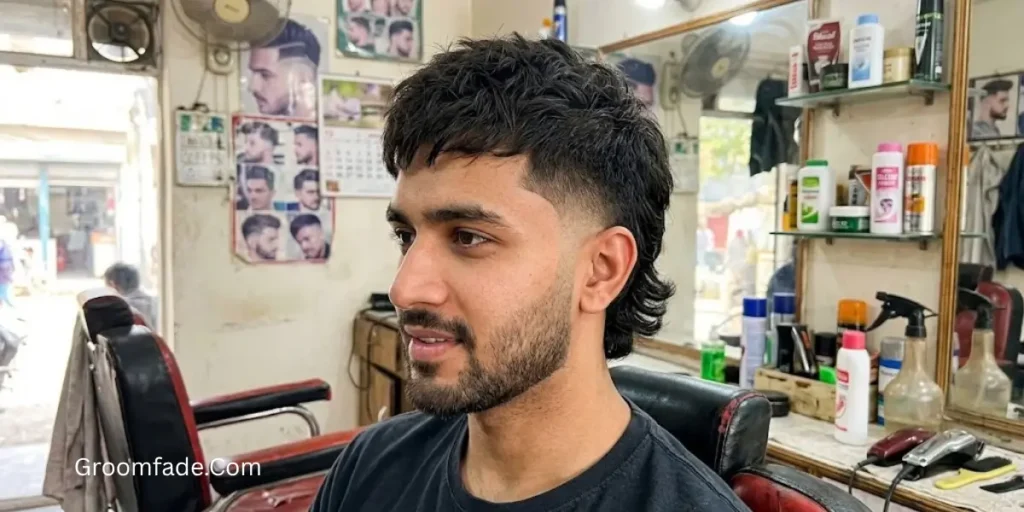
A short mullet haircut keeps the classic mullet shape but uses less length and a cleaner finish. The front and sides stay relatively short, while the back remains longer enough to create the signature mullet shape. This makes the style easier to wear than a long, heavy mullet.
Today, short mullets come in many forms. You can pair one with a low fade, skin fade, taper, undercut, fringe, curls, waves, or textured layers. Some versions are neat enough for everyday wear, while others have a bold, messy, or edgy finish.
The right short mullet depends on your hair type, face shape, desired length, and how much styling you want to do each morning. Straight hair can give the cut a clean shape, while curly and wavy hair can add natural volume and movement.
In this guide, you will find the best short mullet haircut styles, ways to choose one for your hair type and face shape, barber instructions, styling tips, and simple maintenance advice.
What Is a Short Mullet Haircut?
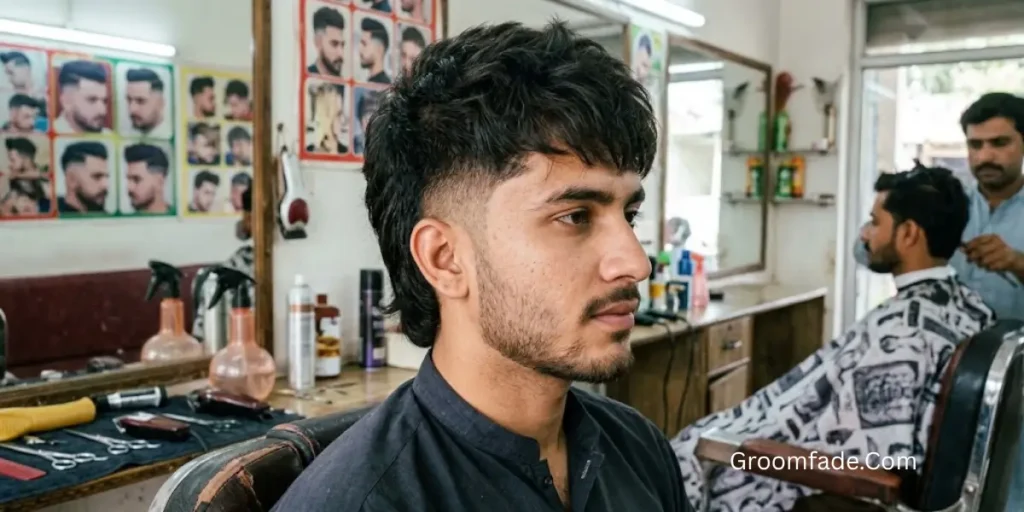
A short mullet haircut is a shorter version of the classic mullet. The hair at the front and sides is kept relatively short, while the back has extra length.
The difference does not have to be dramatic. A modern short mullet can have only a few extra inches at the back compared with the sides. What matters is the change in length and the shape it creates.
A short mullet can also be customized with:
- A low fade
- A mid fade
- A skin fade
- A low taper
- An undercut
- Textured layers
- A fringe
- Curly texture
- A quiff
- A slicked-back top
- A beard
This flexibility is one reason the style works for different hair types and personal styles.
For a softer, layered approach, the Asian Mullet Hairstyle keeps the shape controlled while adding texture and movement through the top and back.
How Short Is a Short Mullet?
There is no single measurement that makes a haircut a short mullet. The back simply needs enough length to look longer than the surrounding hair.
A very short or micro mullet keeps the back quite close to the head. A slightly longer short mullet leaves more length at the nape for a stronger shape.
Your barber can adjust the back length based on how noticeable you want the mullet to be.
Short Mullet vs Traditional Mullet
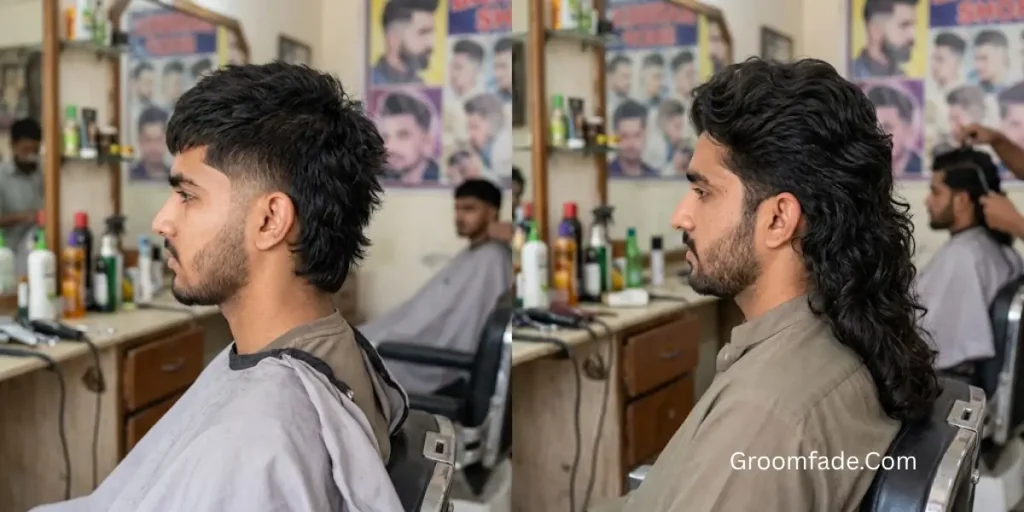
A traditional mullet usually has a stronger difference between the short front and sides and the longer back.
A short mullet haircut reduces that contrast. The back is shorter, the sides can be tapered or faded, and the top often has texture.
This creates a cleaner everyday haircut while keeping the recognizable mullet shape.
Short Mullet vs Modern Mullet
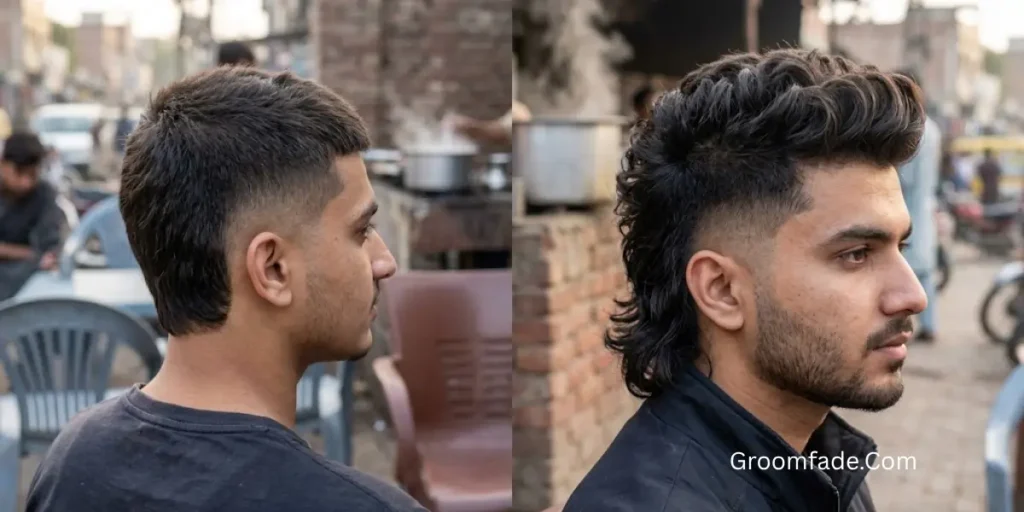
A modern mullet can have many different lengths. A short modern mullet specifically keeps the overall haircut compact.
It often includes:
- Short textured layers
- A fade or taper
- A controlled back
- Natural movement
- A clean neckline
The result is less bulky than an older-style mullet.
Best Short Mullet Haircut Styles
There are many ways to customize a short mullet. Your choice should depend on your hair texture, styling habits, and how strong you want the haircut to look.
Short Modern Mullet
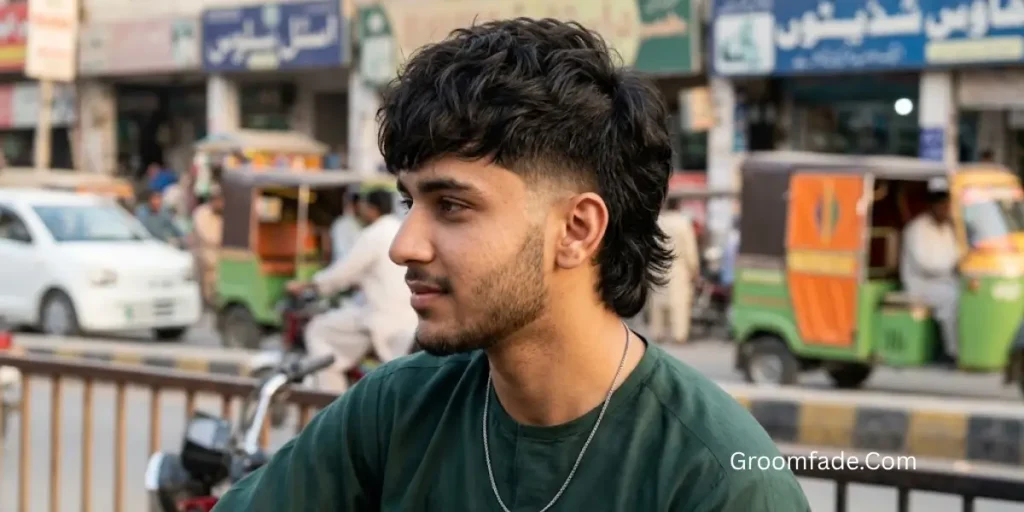
The short modern mullet is one of the easiest versions to wear. It keeps the sides neat and gives the top and back enough texture to create movement.
A textured top works especially well because it stops the haircut from looking too flat. The back can be softly layered instead of being left as one heavy section.
This version is a good choice if you want a current haircut without an extreme contrast.
Short Modern Mullet with Textured Top
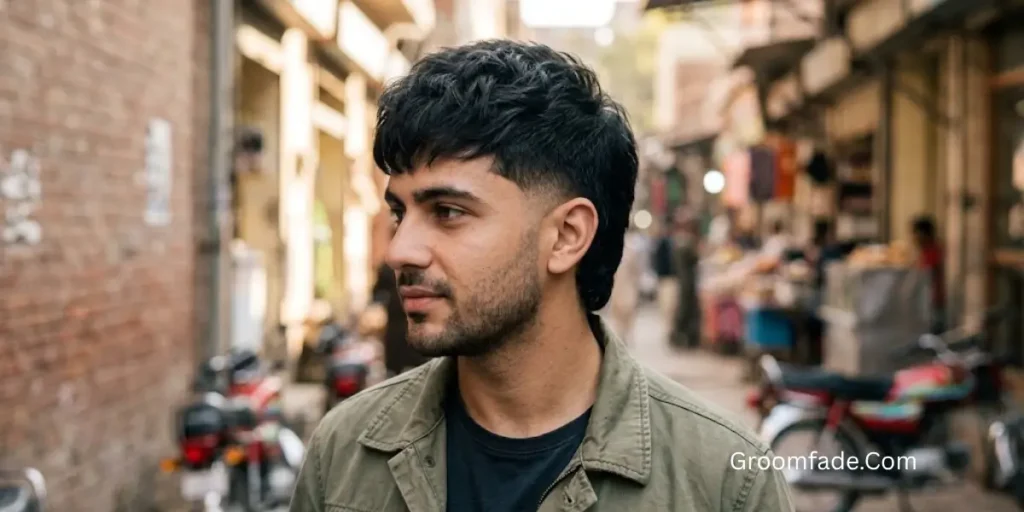
Ask your barber for texture through the top and crown while keeping enough length at the back.
A matte styling product can help separate the layers without making the hair look greasy.
Short Modern Mullet with Fringe
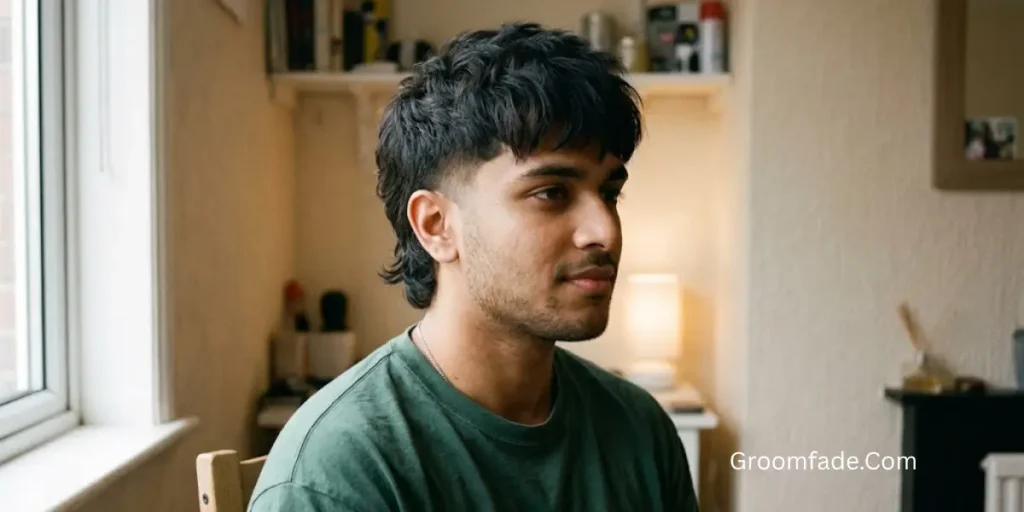
A short fringe changes the shape around the forehead. It can be straight, choppy, or lightly textured.
A softer fringe usually creates a more relaxed result, while a short choppy fringe gives the haircut more edge.
Short Mullet Fade
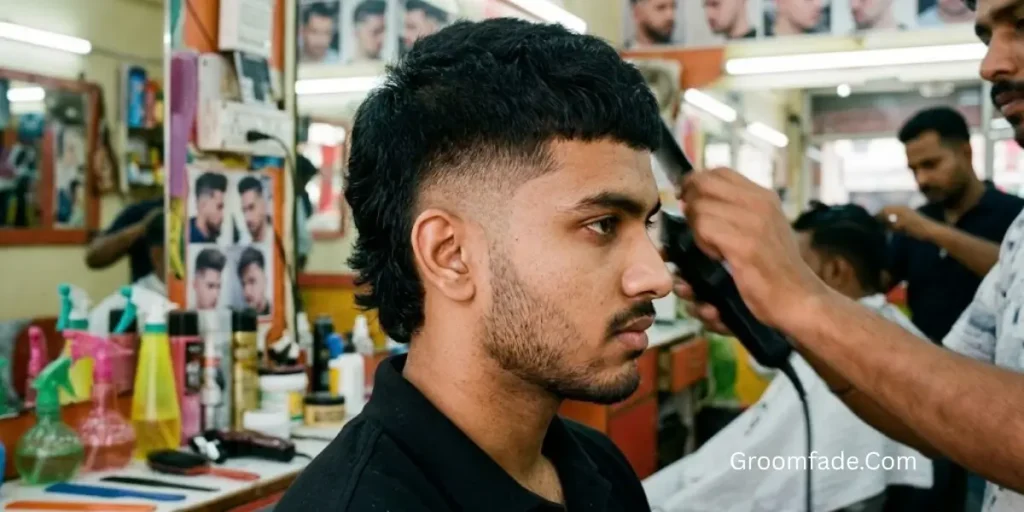
A short mullet fade combines the longer back with gradually shorter sides.
The fade controls the sides and creates a clear transition into the top. The height of the fade changes the overall appearance.
A low fade gives a softer finish, while a higher fade creates more contrast.
A more dramatic option is the Mohawk Mullet, which emphasizes the center section while keeping the back longer for a strong overall shape.
Low Fade Short Mullet
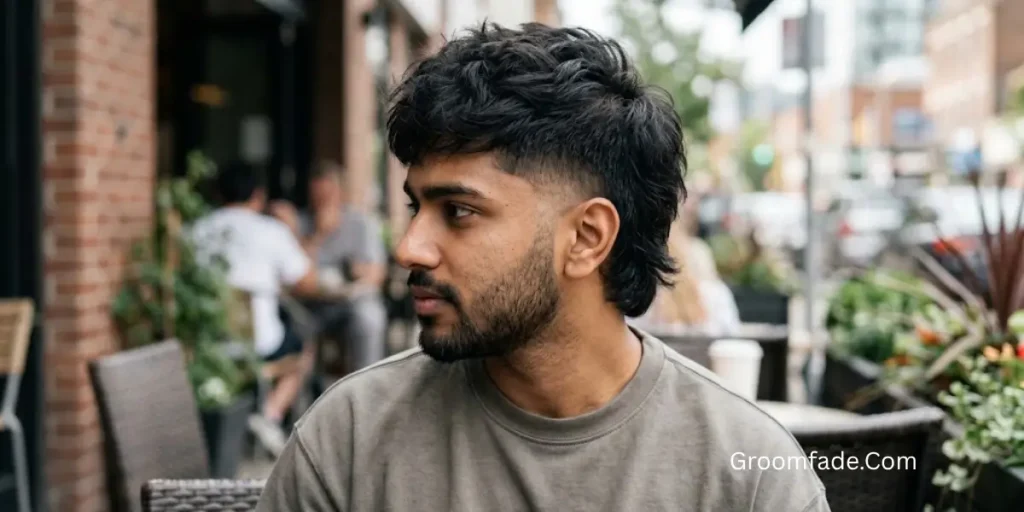
A low fade short mullet haircut starts the fade closer to the ears and lower part of the head.
This is a good option if you want a clean haircut without taking too much hair away from the sides.
It also works well with curly, straight, and wavy hair.
Mid Fade Short Mullet
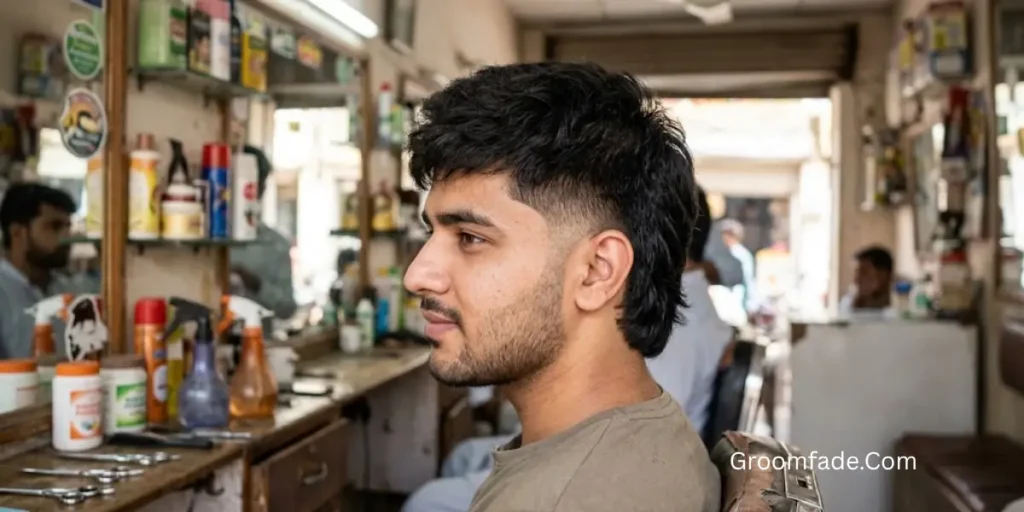
A mid fade creates more visible contrast around the sides. It gives the haircut a sharper appearance while leaving enough hair above the fade for texture.
This works well for men who want a more noticeable modern mullet.
Skin Fade Short Mullet
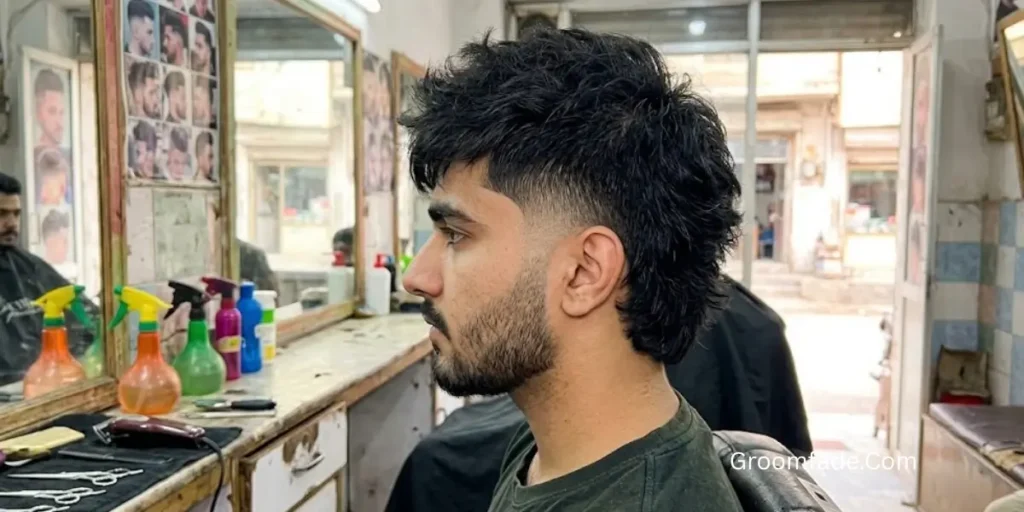
A skin fade takes the sides down to the skin before gradually blending upward.
It creates strong contrast with the back. Because the sides are very short, the shape of the mullet becomes more obvious.
Regular trims are important if you want the skin fade to stay clean.
Short Mullet with Taper
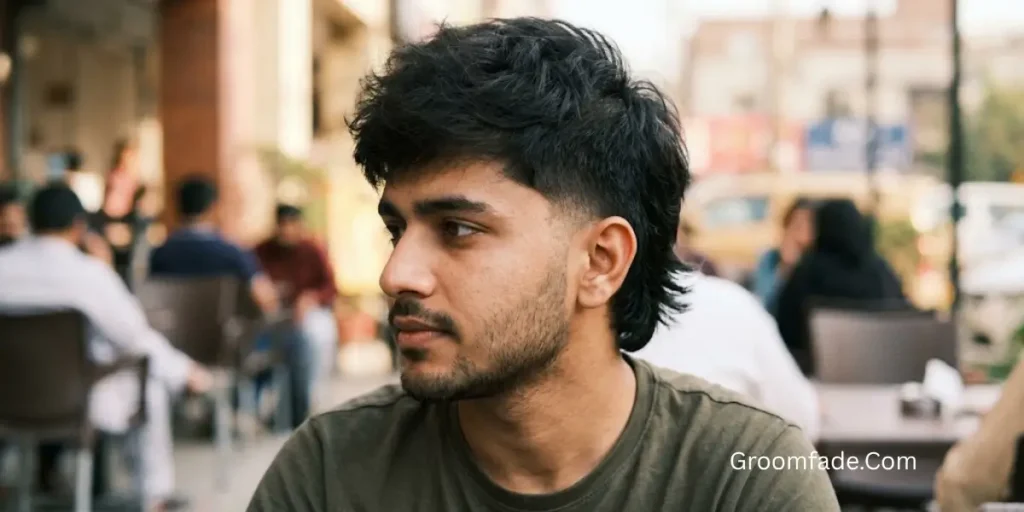
A modern taper short mullet haircut is softer than many fade variations.
Instead of taking the sides very short across a large area, a taper focuses on areas such as the temples and neckline.
This gives you a cleaner appearance while keeping more natural hair around the sides.
A low taper is especially useful if you want a short mullet that does not look too aggressive.
Short Curly Mullet
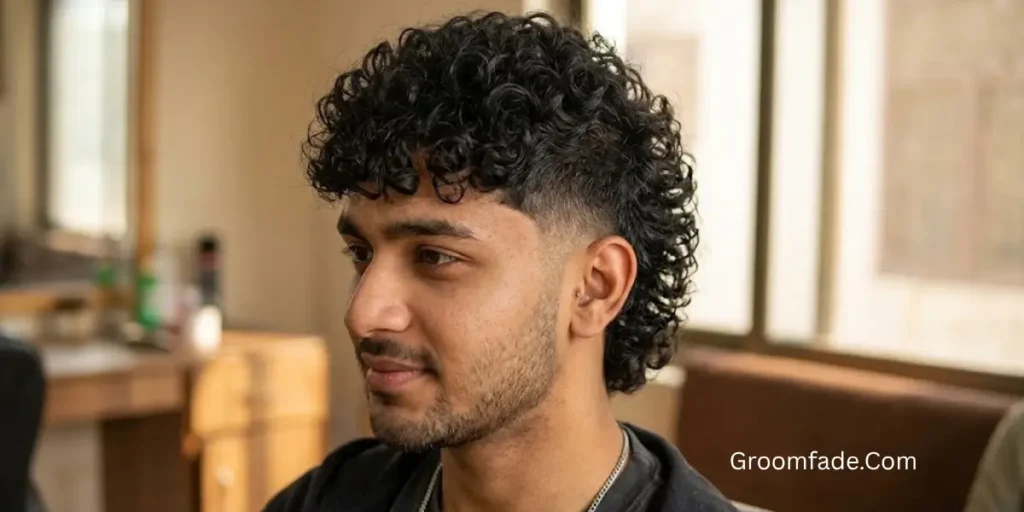
A short curly mullet haircut uses natural curls to create volume and movement.
Curly hair can make the back look fuller even when it is not very long. Layers are important because too much weight can make the hair look wide instead of shaped.
For tighter curls, your barber should consider how much the hair will shrink when it dries.
Short Mullet for Curly Hair
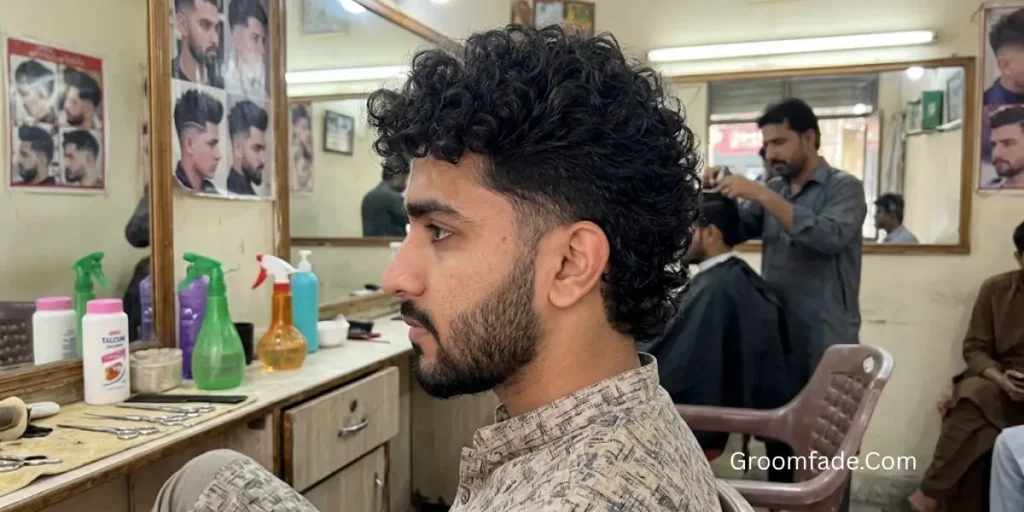
The best length depends on your curl pattern.
Loose curls can support a more defined layered shape. Tighter curls may need a little more length at the back so the mullet remains visible after shrinkage.
A curl cream or light styling product can help keep the curls together without making them stiff.
Short Curly Mullet with Fade
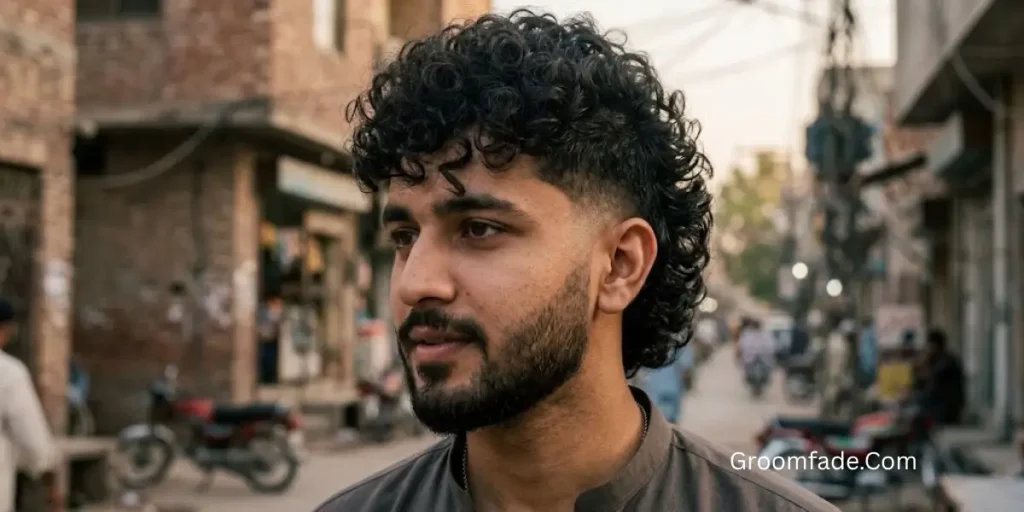
A fade creates a strong contrast between the curly top and longer back.
A low fade gives a softer appearance, while a skin fade produces a much stronger difference.
Adding a center part gives the style a more balanced frame. The Middle Part Mullet combines this parting with longer back layers for a modern finish.
Short Mullet for Straight Hair
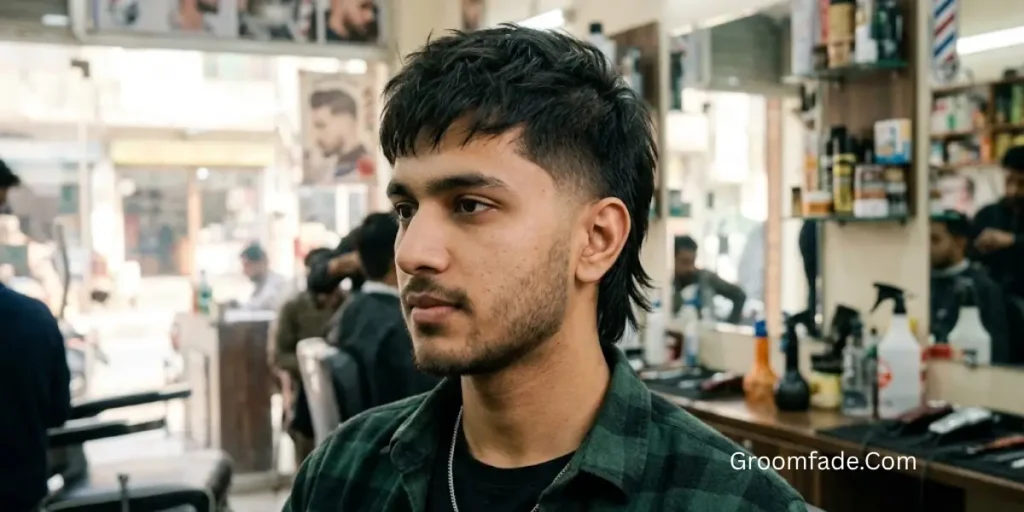
A short mullet haircut straight hair style has a clean and defined shape because straight strands show the haircut’s lines clearly.
Straight hair can also become flat, so layers and texture are useful.
A textured top, choppy fringe, or slightly messy finish can give the haircut more movement.
Textured Short Mullet for Straight Hair
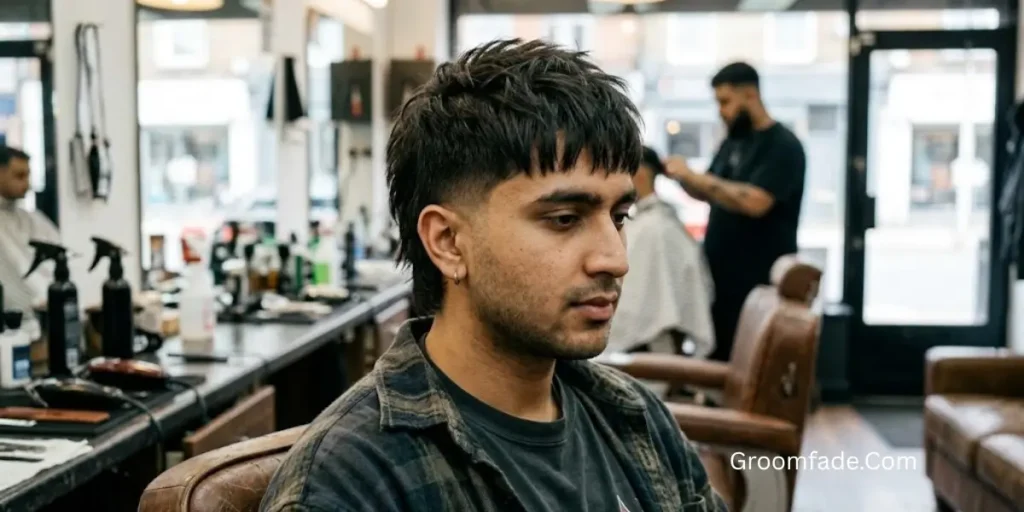
Ask your barber to remove some weight from the top and back without making the hair too thin.
A small amount of matte clay can separate the layers and create a natural finish.
Short Wavy Mullet
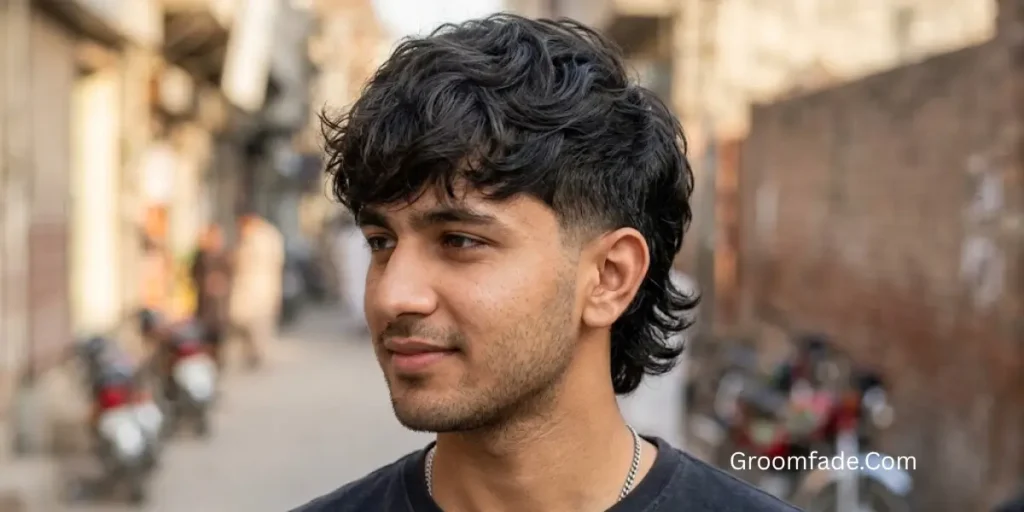
Wavy hair is naturally suited to a textured mullet because the waves create movement without much effort.
The back can be layered to follow the natural pattern of the hair. Avoid making the layers too short if your waves tend to puff up.
A light styling cream or texture spray is usually enough for everyday styling.
Short Mullet with Fringe
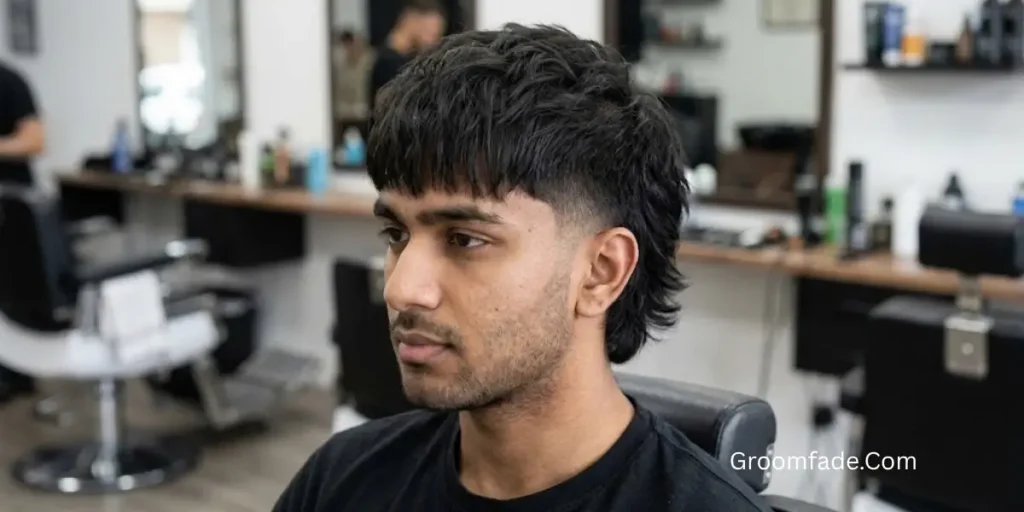
A short mullet with fringe places more attention on the front of the haircut.
A soft fringe works well with a casual short mullet. A sharper, shorter fringe creates a more fashion-forward appearance.
The fringe can also help change the visual proportions of the face.
Short Mullet with Undercut
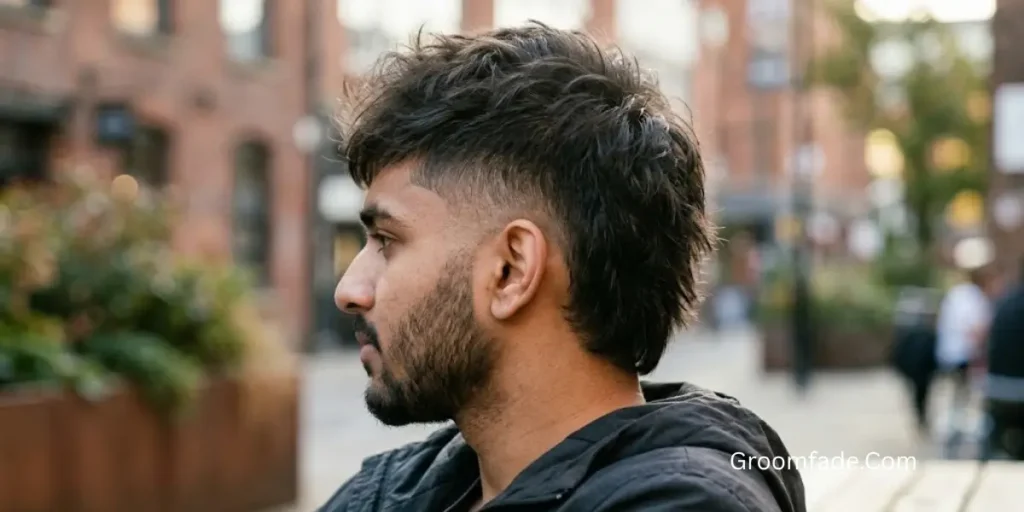
A short mullet with undercut has a stronger separation between the upper hair and the sides.
The undercut can be subtle or very noticeable. A disconnected version creates a bold contrast and works well for people who like alternative or edgy hairstyles.
Because the sides are kept short, the back becomes the main feature.
Disconnected Short Mullet
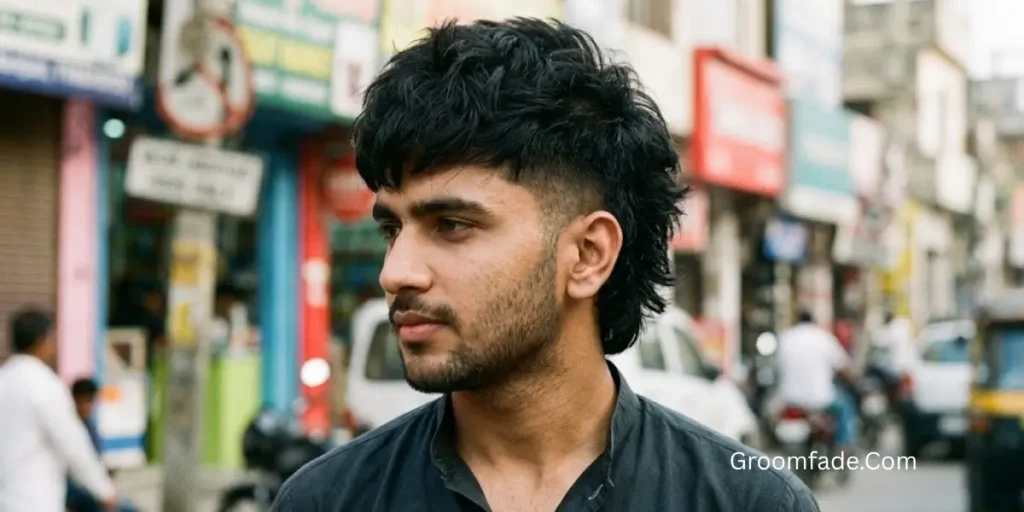
A disconnected short mullet does not have a smooth transition between every section of the haircut.
Instead, the top, sides, and back can have clear differences in length.
This style is less traditional and works best when you want the haircut to stand out.
Short Mullet with Shaved or Buzzed Sides
Buzzed or shaved sides make the back look longer without actually adding much length.
Buzzed Sides Short Mullet
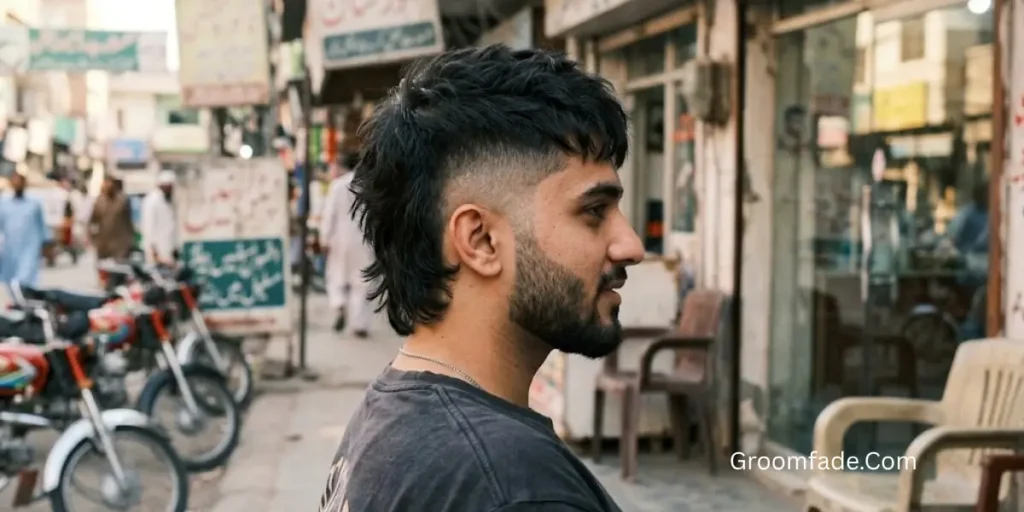
Buzzed sides give the haircut a simple, low-volume appearance.
The top and back can then be left textured to create contrast.
For men who prefer more length at the back, the Long Mullet Hairstyle keeps the extended back as the main feature while giving more room for texture and styling.
Short Mullet with Shaved Sides
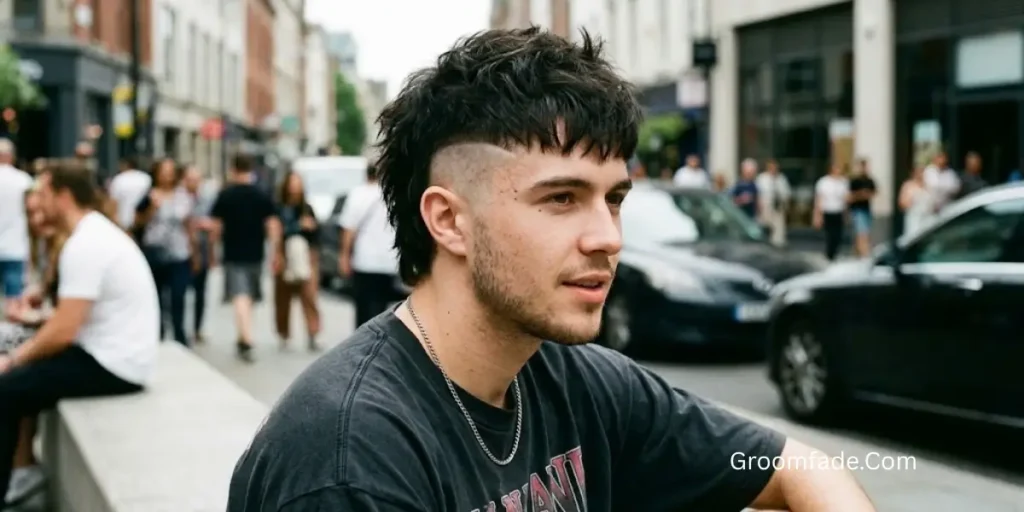
Shaved sides are more dramatic than a taper or low fade. They can make a short mullet look much more noticeable.
This is a better choice for someone who is comfortable with strong contrast.
Very Short Mullet
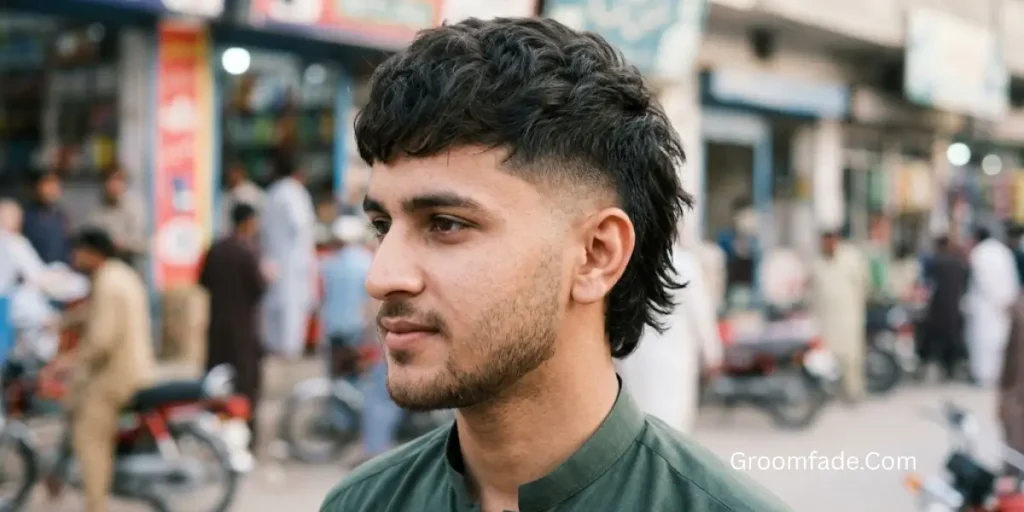
A very short mullet haircut keeps the entire style compact.
The back may only be slightly longer than the top and sides, but that small difference is enough to create the mullet shape.
This version is useful if you like the idea of a mullet but do not want a long tail.
Layered Short Mullet
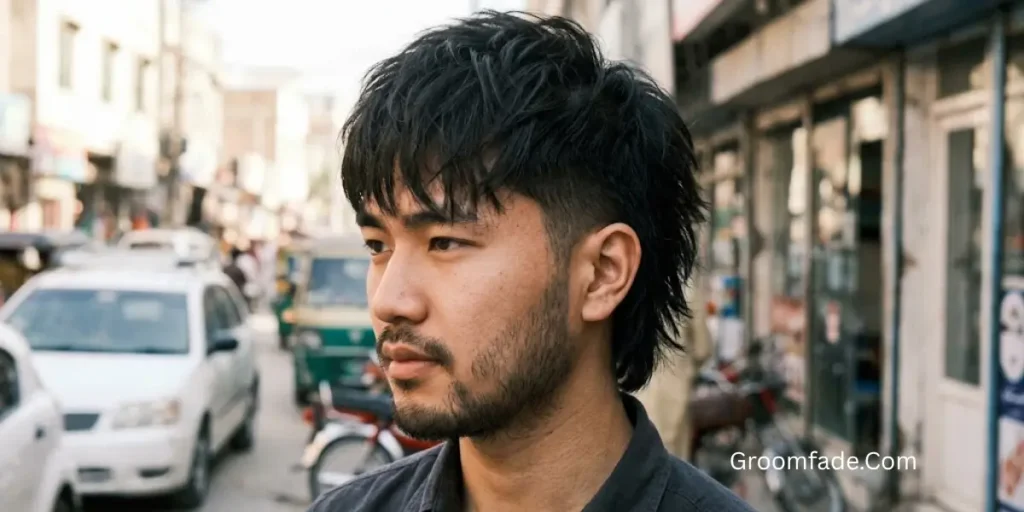
Layers are one of the easiest ways to give a short mullet movement.
A short mullet with layered back can look lighter and more natural than a blunt back.
Messy Layered Short Mullet
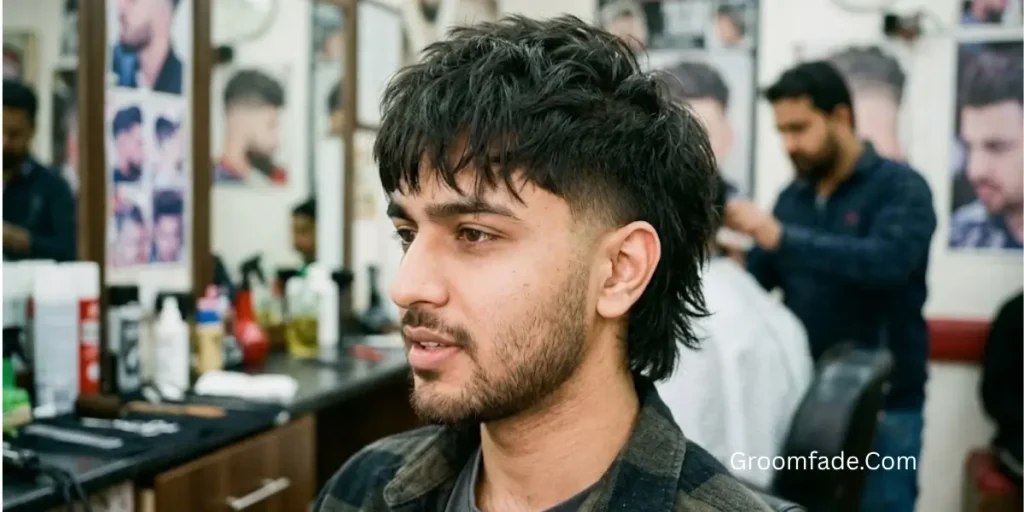
A messy finish works well with thick, wavy, or textured hair.
Use a small amount of matte clay or texture cream and work it through the hair with your fingers.
Spiky Short Mullet
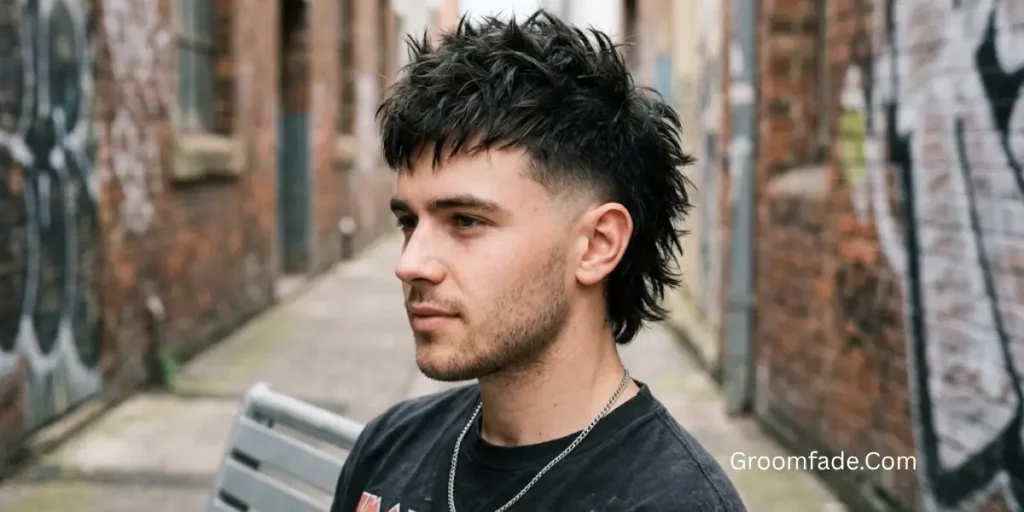
A spiky short mullet brings a sharper finish to the top or back.
Short Mullet with Spiked Back
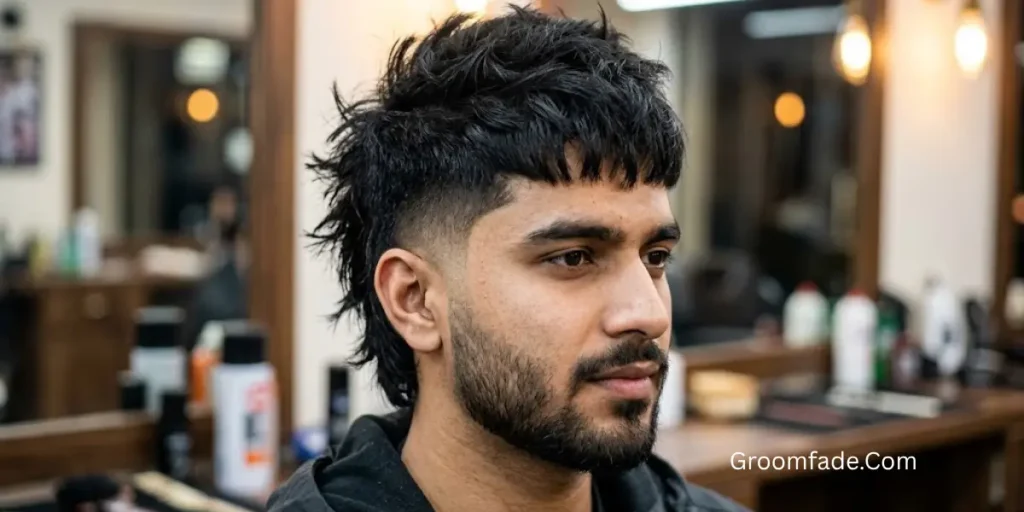
The back can be styled upward or outward to make the longer section more visible.
Avoid using too much strong gel if you want the haircut to remain modern and natural.
Short Mullet with Quiff
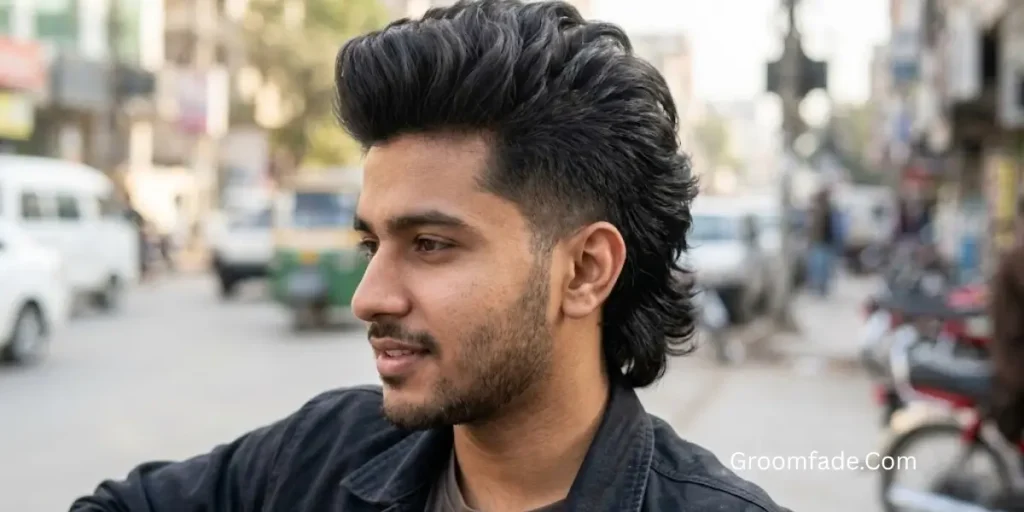
A quiff adds height at the front while the back keeps the mullet shape.
Short Mullet with Quiff Top
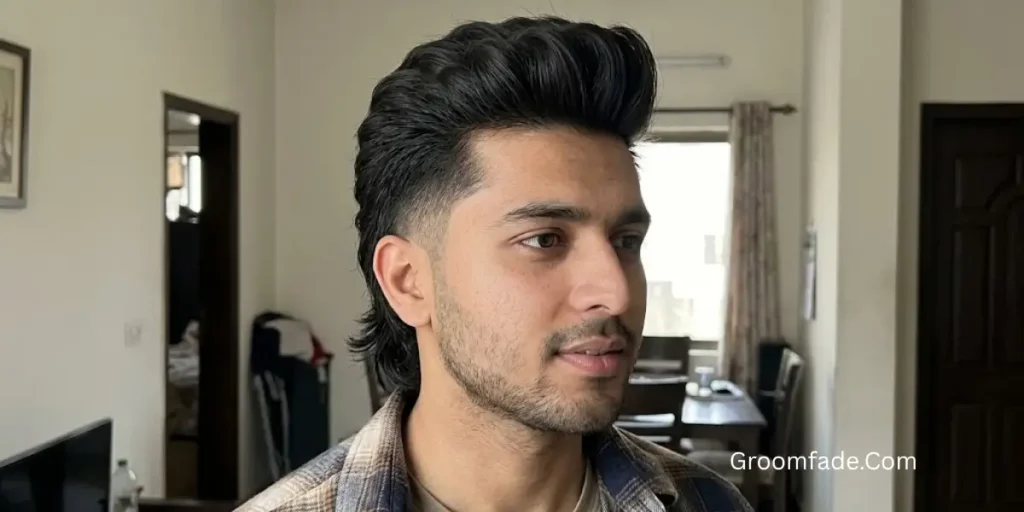
This works especially well for straight or slightly wavy hair.
The front is lifted with a blow dryer and a small amount of styling product, while the back is allowed to retain texture.
Short Mullet with Pompadour Front
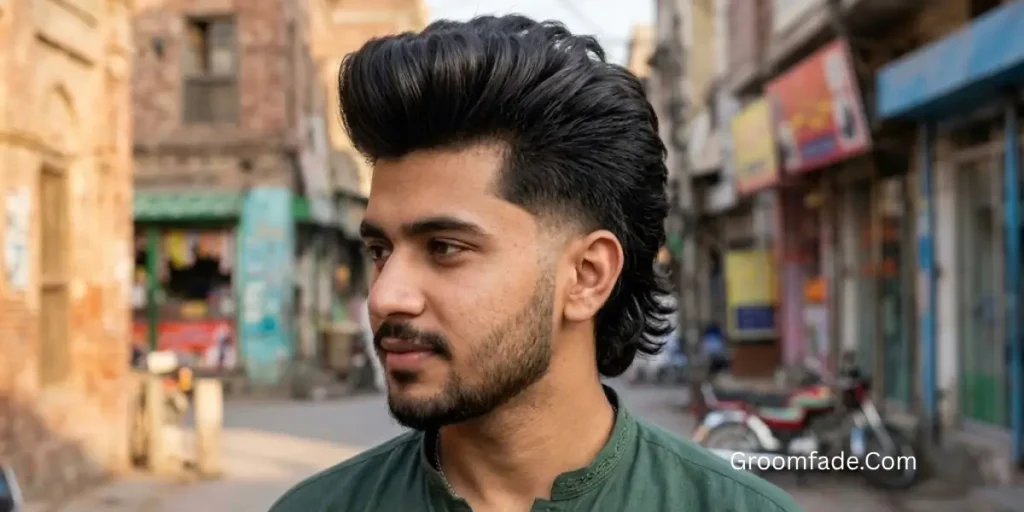
A pompadour-inspired front gives the haircut a more classic appearance.
The front is styled higher and swept backward, while the back stays shorter than a traditional pompadour mullet.
This is a good option for someone who likes vintage-inspired hair with a modern haircut structure.
Short Mullet with Beard
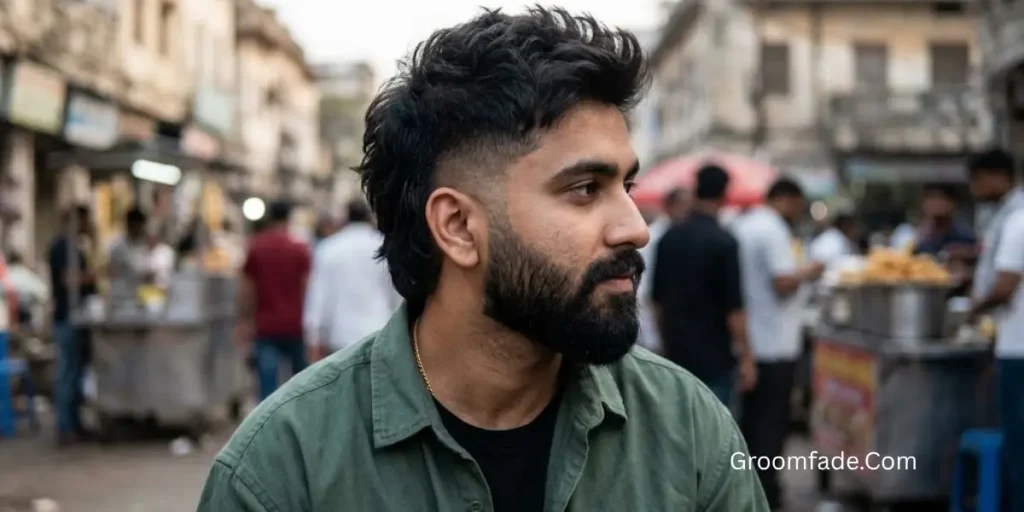
A short mullet haircut with beard can create a balanced look by adding weight around the lower part of the face.
The beard does not need to be large. Short stubble, a trimmed beard, or a fuller beard can all work.
The key is keeping the haircut and beard connected visually. A clean taper around the temples and beard can make the transition look more natural.
Short Mullet with Highlights
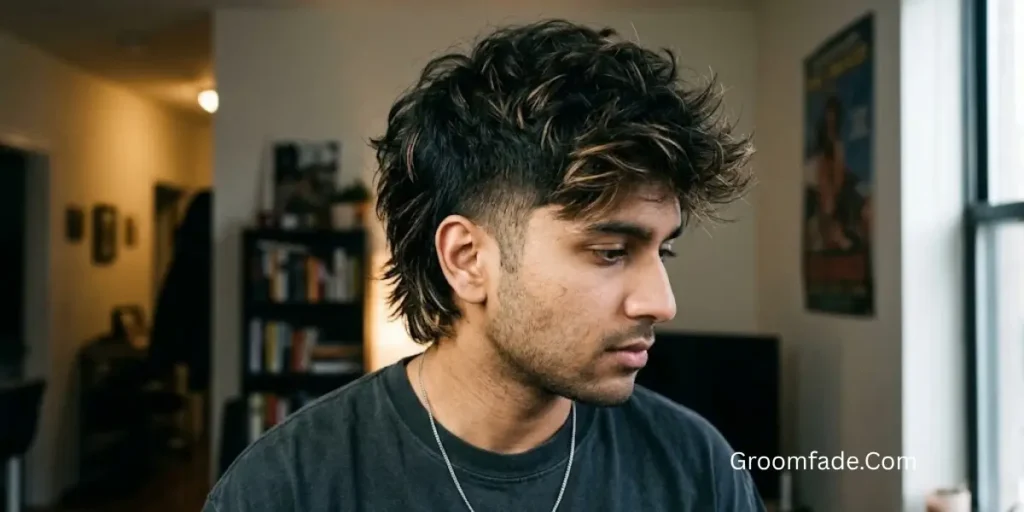
Highlights can add dimension to layered hair.
They are most useful when the haircut already has texture. On straight hair, lighter sections can make individual layers easier to see.
Keep the color choice consistent with your natural hair and maintenance routine.
Short Mullet Haircuts for Different Hair Types
The same haircut can look very different depending on hair texture.
Short Mullet for Thick Hair
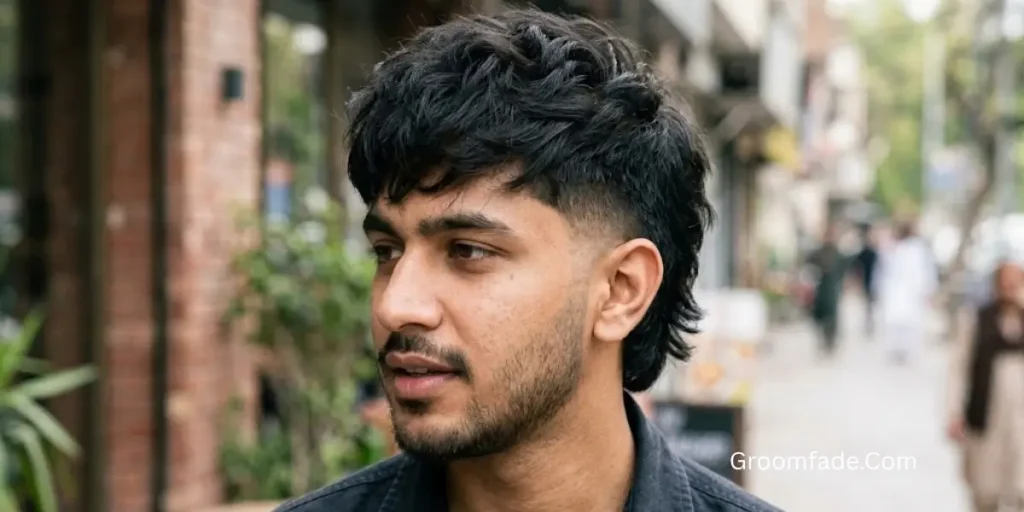
Thick hair usually has enough volume to support a layered mullet.
Your barber may need to remove some weight from the top and back so the haircut does not become too bulky.
A low fade creates a cleaner transition without taking too much attention away from the top. The Low Fade Mullet keeps the sides neat while maintaining the recognizable mullet shape.
Short Mullet for Fine Hair
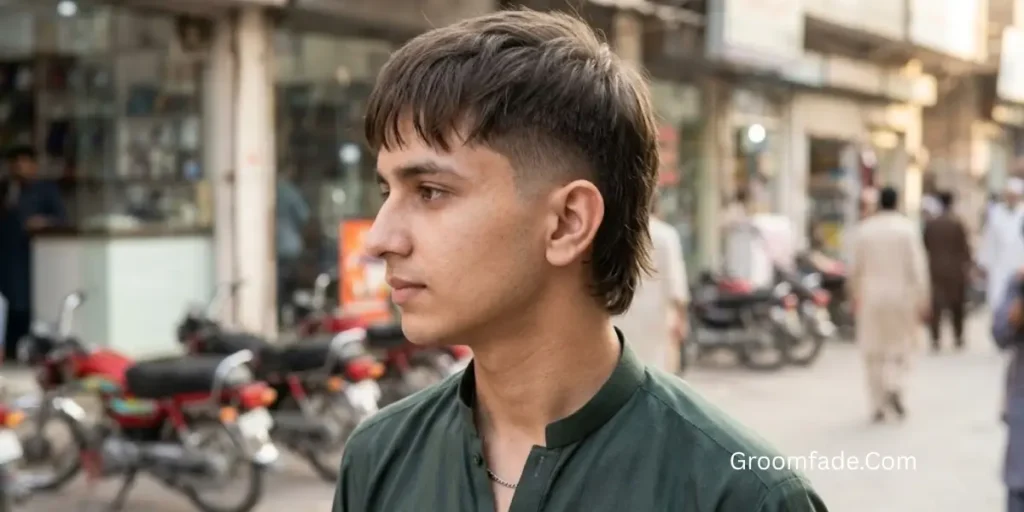
Fine hair can benefit from shorter layers and controlled texture.
Avoid removing too much hair from the top. Over-thinning can make fine hair look even flatter.
Short Mullet for Coarse Hair
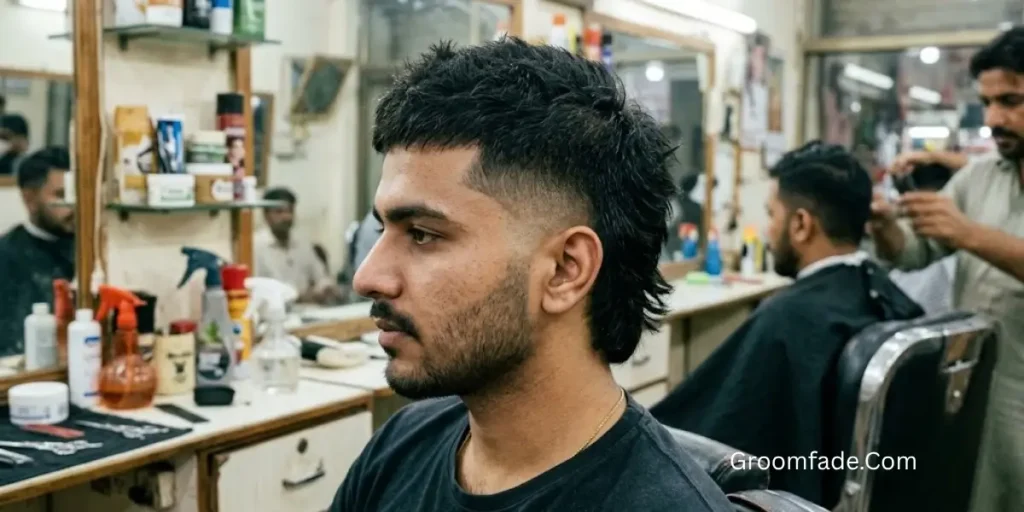
Coarse hair can create a strong shape naturally.
A good haircut should control excess bulk while keeping enough length to show the mullet structure.
Short Mullet for Wavy Hair
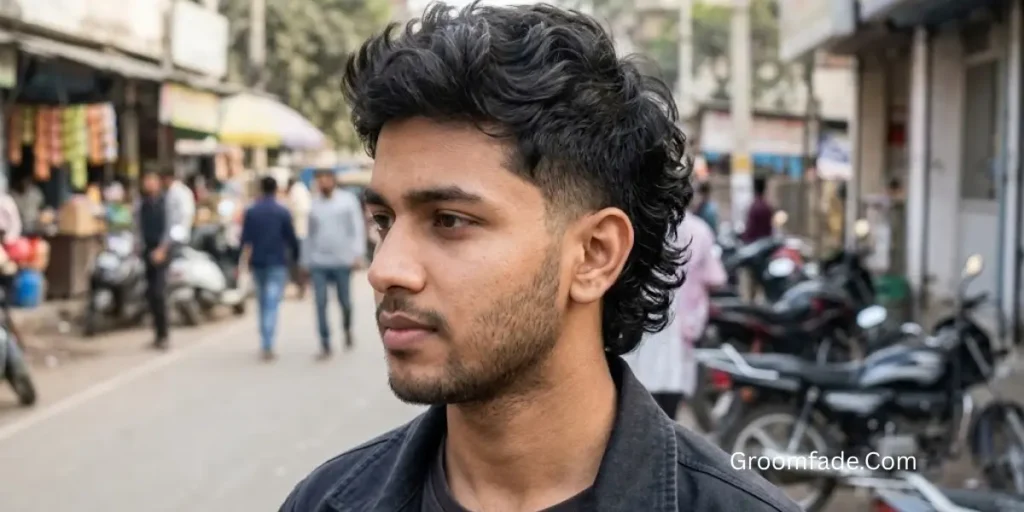
Wavy hair works well with layered short mullets.
The natural bends in the hair create movement and can make the haircut look fuller.
Short Mullet Haircut for Different Face Shapes
Face shape can help you decide where to add volume and where to keep the haircut close.
Short Mullet for Round Face
For a round face, some height on top can help create a longer visual shape.
A textured top with shorter sides can work well. Avoid adding too much width around the cheeks.
Short Mullet for Oval Face
An oval face can suit many short mullet variations.
You can usually choose between a fade, taper, fringe, curls, or textured top based more on your hair type and personal preference.
Short Mullet for Square Face
A square face already has strong angles, so a textured or slightly softer mullet can balance the appearance.
A low taper or low fade can keep the sides clean without making the haircut look overly sharp.
Short Mullet for Oblong Face
If your face is longer, avoid adding too much height to the top.
A fuller fringe or moderate side volume can help create a more balanced shape.
Short Mullet for Heart-Shaped Face
A softer fringe and controlled side volume can work well with a heart-shaped face.
The goal is to keep the top and sides balanced with the narrower lower part of the face.
Short Mullet Haircuts for Men, Women, and Kids
A short mullet is not limited to one age group or gender. The shape can be adjusted according to personal style and hair texture.
Short Mullet Haircut Men
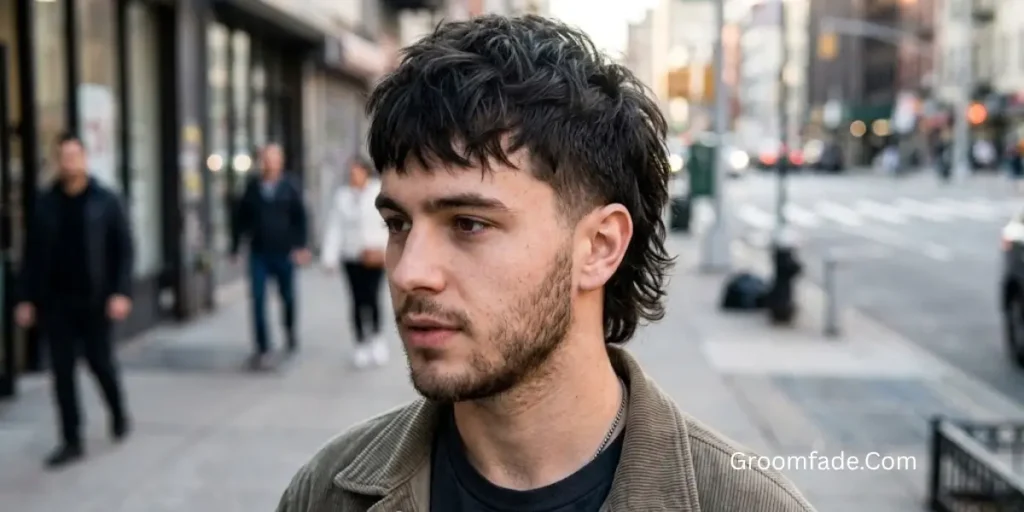
For men, common versions include fades, tapers, textured tops, curly backs, fringes, and beard combinations.
A short modern mullet is a practical option when you want something more distinctive than a standard fade without keeping a long back.
Short Mullet Haircut Women
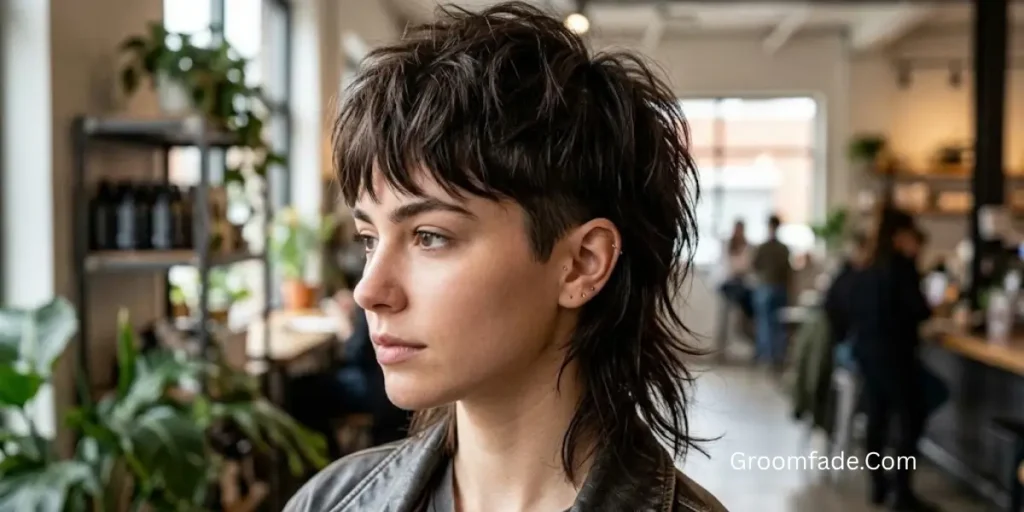
A short mullet haircut for women can use softer layers and more movement around the face.
The back does not have to be heavily separated from the sides. A layered shape can create a more relaxed and flexible look.
Short Mullet Haircut Boys
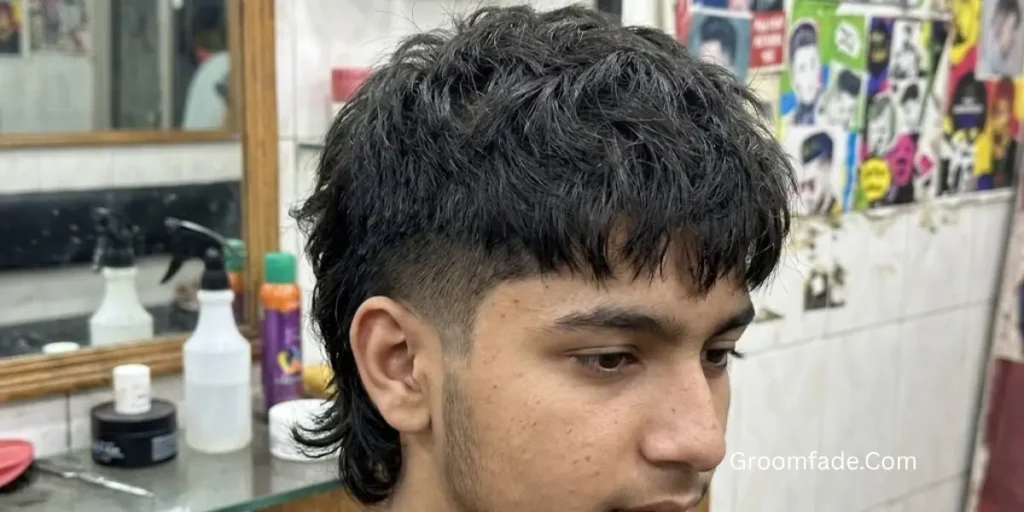
A boys short mullet haircut can be kept simple.
A low taper, textured top, and short back can create the style without requiring a long styling routine.
Short Mullet Haircut for Kids
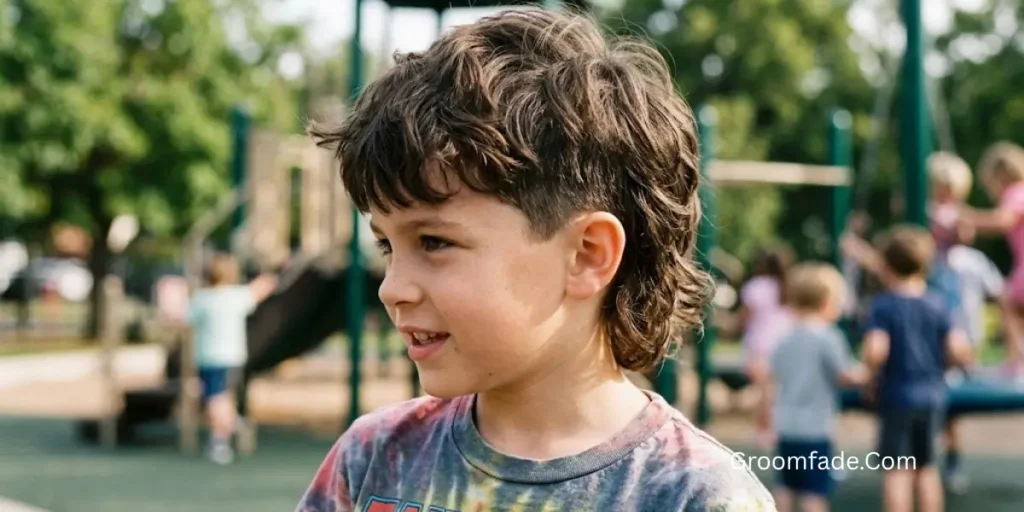
For younger children, comfort and easy maintenance should come first.
A short version with a soft taper is usually easier to manage than a highly detailed fade or shaved design.
Short Korean Mullet Haircut
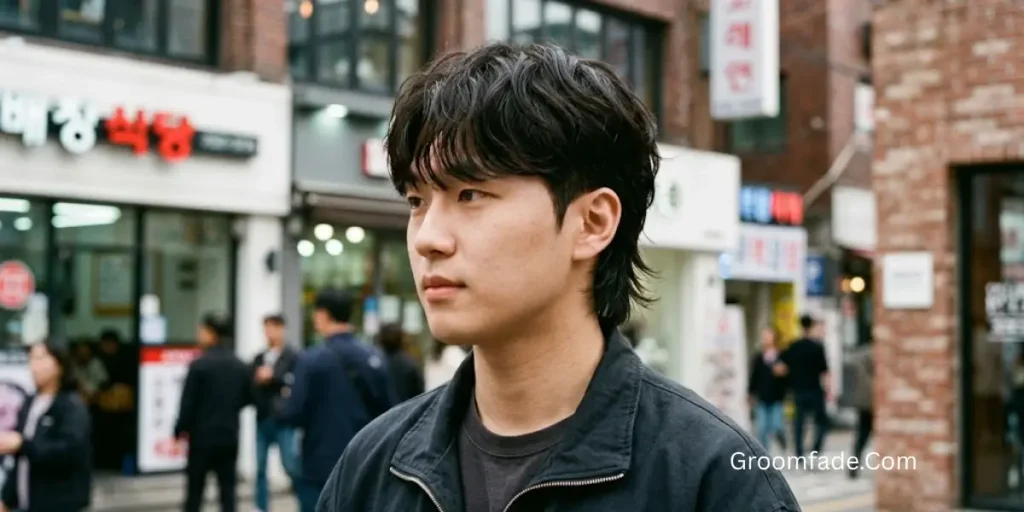
A short Korean mullet haircut often uses softer layers, natural movement, and a lighter fringe.
The sides do not always need a strong fade. The goal can be a softer transition with texture around the face and crown.
Natural curls can give a shorter mullet extra texture and volume. The Curly Mullet Haircut lets the curl pattern shape the top and back for a more relaxed finish.
How to Choose the Right Short Mullet
The best short mullet is not simply the most eye-catching version. It should fit your hair, lifestyle, and preferred level of maintenance.
Choose the Right Back Length
If you want a subtle mullet, keep the back only moderately longer than the sides.
For a stronger shape, leave more length at the nape.
Choose Between a Fade and Taper
Choose a fade if you want more contrast and a cleaner side profile.
Choose a taper if you want to keep more natural hair around the sides and prefer a softer finish.
Decide How Much Contrast You Want
A low fade creates a controlled appearance.
A skin fade, shaved side, or undercut creates a much stronger visual difference.
Match the Haircut to Your Hair Texture
Straight hair often benefits from layers and texture.
Curly hair needs enough length to show the curl pattern.
Wavy hair usually works well with natural layers.
Thick hair may need weight removed, while fine hair needs enough density to maintain shape.
How to Ask Your Barber for a Short Mullet
A reference photo is helpful, but you should also explain what you want in words.
You can say:
“I want a short modern mullet. Keep the front and sides short, leave some length at the back, and blend the sides with a low fade or taper. I want the top textured but not too short.”
Then explain whether you want a subtle or strong difference between the sides and back.
What Length Should You Ask For?
Instead of relying only on a number, show your barber how much back length you want.
Hair texture can change how a specific measurement looks. Curly hair, for example, can appear much shorter after drying.
Should You Bring a Reference Photo?
Yes. A photo gives your barber a clearer idea of the shape, fade height, back length, and texture you want.
Bring a picture that has a similar hair type to yours when possible.
How to Style a Short Mullet Haircut
Most short mullets do not need a complicated routine.
Start with clean, slightly damp hair. Apply the product that suits your texture, then shape the top and back with your fingers.
Styling a Straight Short Mullet
Use a small amount of matte clay or texture cream.
Blow-dry the top in the direction you want it to sit. Finish by separating a few sections with your fingers.
Styling a Curly Short Mullet
Apply curl cream to damp hair and gently shape the curls.
Allow the hair to air-dry or use a diffuser on a low setting. Avoid brushing the curls once they are dry because this can create unwanted frizz.
Styling a Textured Short Mullet
Work a small amount of matte clay through dry hair.
Pinch individual sections to create separation. Do not overload the hair with product.
Styling a Slicked Back Short Mullet
Use a light pomade or styling cream.
Comb the front backward while allowing the back to keep its natural shape.
Styling a Messy Short Mullet
Use texture spray or a small amount of matte product.
Move the hair with your fingers rather than making every section perfectly even.
Best Products for a Short Mullet
The right product depends on your hair type.
Matte clay: Good for straight or thick hair when you want texture and control.
Styling cream: Useful for softer finishes and medium-length textured hair.
Texture spray: Helpful for creating movement in straight or wavy hair.
Curl cream: Suitable for curly short mullets that need definition and moisture.
Pomade: Useful for slicked-back or more polished styles.
Light hairspray: Can help hold a finished style without making it feel too stiff.
Start with a small amount. Adding more product is easier than trying to remove too much.
How to Maintain a Short Mullet
A short mullet needs regular trimming if you want the shape to remain clear.
How Often Should You Get a Trim?
A fade or taper usually needs attention sooner than the back.
Many people can schedule a haircut every few weeks, but the exact timing depends on how quickly their hair grows and how clean they want the sides to look.
Keeping the Fade or Taper Clean
If you have a low fade, mid fade, or skin fade, the side contrast will become softer as the hair grows.
A taper can be easier to maintain because it keeps more natural length around the sides.
Maintaining the Back Length
Do not trim the back too frequently if you want to keep the mullet shape.
Ask your barber to clean the neckline and remove split or uneven ends without taking away the main length.
Growing Out a Short Mullet
A short mullet can be grown gradually.
If you want more length at the back, tell your barber to preserve the nape while continuing to control the sides and top.
Is a Short Mullet Haircut Still Popular in 2026?
Yes, the short mullet remains a noticeable modern hairstyle in 2026, especially in versions that combine shorter sides with texture and a controlled back.
The current approach is less dependent on having a very long tail. Low fades, tapers, curly texture, layered backs, fringes, and shorter proportions allow the haircut to fit different personal styles.
The main advantage is flexibility. Someone who does not want a dramatic traditional mullet can choose a shorter version and adjust the contrast to suit their comfort level.
Frequently Asked Questions About Short Mullet Haircuts
Q1.What Is a Short Mullet Haircut?
A short mullet keeps the front and sides relatively short while leaving extra length at the back. It gives you the recognizable mullet shape without the long back associated with some traditional versions.
Q2.How Short Can a Mullet Haircut Be?
A mullet can be very short as long as the back remains noticeably longer than the surrounding hair. A micro mullet may have only a small amount of extra length at the nape.
Q3.Is a Short Mullet Good for Straight Hair?
Yes. Straight hair makes the haircut’s shape easy to see. Layers, texture, and a fringe can prevent the style from looking too flat.
Q4.Is a Short Mullet Good for Curly Hair?
Yes. Curly hair can give the back natural volume and movement. The haircut should account for curl shrinkage and avoid leaving too much heavy weight in one section.
Q5.What Fade Looks Best With a Short Mullet?
A low fade is a good choice for a softer appearance. A mid fade or skin fade creates stronger contrast. The best option depends on how noticeable you want the haircut to be.
Q6.Is a Low Taper Good With a Short Mullet?
Yes. A low taper creates a cleaner finish around the temples and neckline while leaving more natural hair on the sides than a traditional fade.
Q7.Does a Short Mullet Suit a Round Face?
It can. Keeping some height on top and controlling width around the sides can help create a more balanced appearance.
Q8.Can Women Wear a Short Mullet?
Yes. A short mullet can be adapted with softer layers, fringe, texture, or natural movement. The ideal shape depends on hair texture and personal style.
Q9.Can Boys Get a Short Mullet?
Yes. A short mullet can work well for boys when the style is kept comfortable and easy to maintain. A low taper and textured top are simple options.
Q10.How Long Should the Back of a Short Mullet Be?
There is no universal length. The back should simply remain long enough to look different from the sides and top. Your desired level of contrast should guide the length.
Q11.How Often Should a Short Mullet Be Trimmed?
Most people need regular trims to keep the sides and neckline clean. Fade and skin fade styles usually need more frequent maintenance than softer taper versions.
Q12.Can You Wear a Short Mullet in a Professional Setting?
A subtle short mullet with a low taper, controlled layers, and a neat neckline can be easier to wear in professional settings than a highly disconnected or shaved version.