
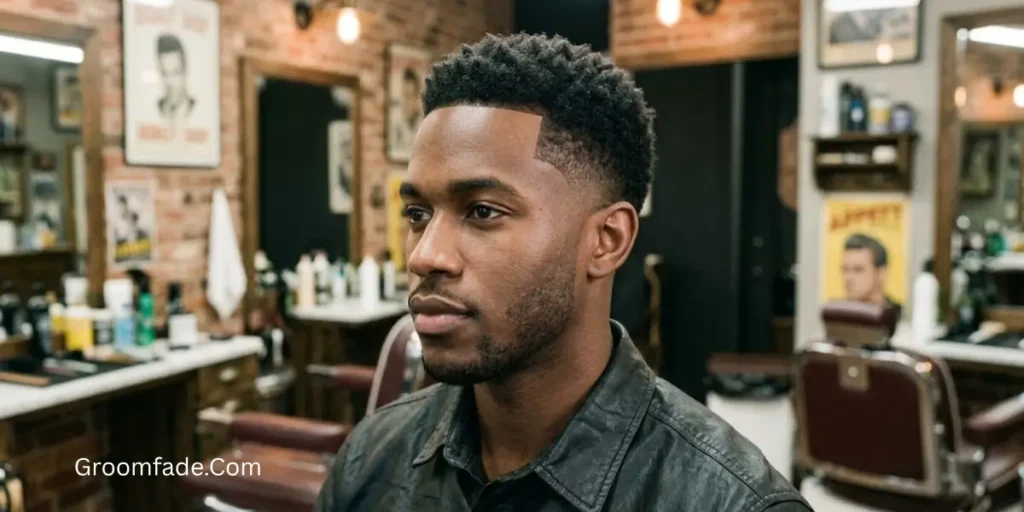
A temple fade hairstyle is a clean and flexible haircut that focuses the fade around the temples and sideburns. Unlike a full fade that changes the sides from top to bottom, a temp fade can leave more of the natural hair around the rest of the head. This makes it easy to pair with curls, waves, straight hair, an Afro, a pompadour, or longer hair on top. Whether you want a subtle low temple fade hairstyle or a sharper high fade, the right version depends on your hair type, face shape, and how often you want to visit your barber.
What Is a Temple Fade Haircut?
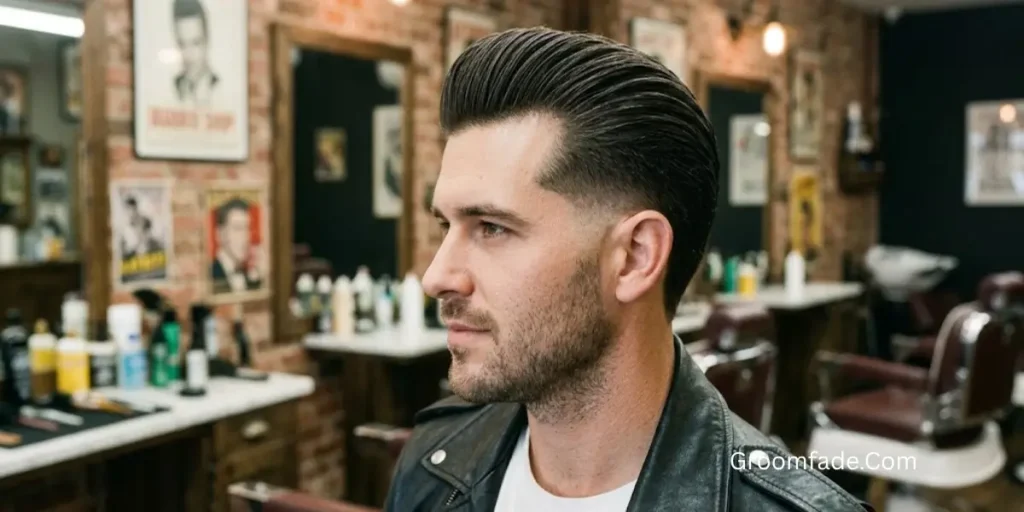
A temple fade haircut, also called a temp fade, gradually shortens the hair around the temples and sideburns. The transition can be subtle or reach down to the skin. The hair on top is left longer so you can choose the hairstyle that fits you best.
The main feature is the small, focused fade near the temple area. This gives the haircut a neat outline without removing as much hair from the sides as some other fade styles.
A temple fade can be combined with short, medium, or long hair. It also works with many textures, including straight, wavy, curly, and coily hair.
Men who like more volume on top can pair clean tapered sides with Pompadour Haircuts, using the extra length to create height and a polished finish.
35 Best Temple Fade Hairstyles for Men
There is no single way to wear a temple fade hairstyle. The fade can be adjusted to match the length and texture on top. Some versions are subtle, while others create a strong contrast around the temples.
Here are the most useful temple fade variations to consider.
Classic Temple Fade
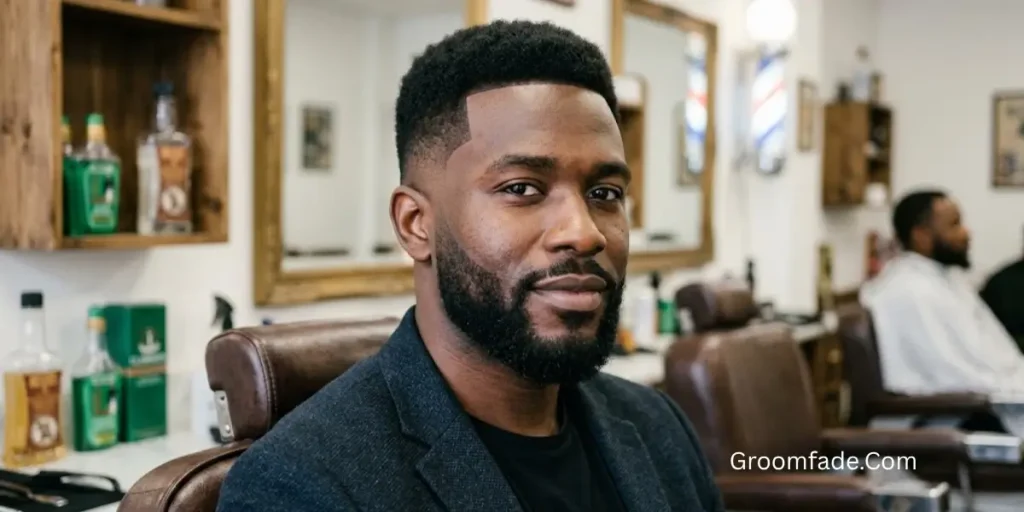
The classic temple fade keeps the haircut simple. The barber gradually shortens the hair around the temples and sideburns while leaving enough length on top for natural styling.
It works well with short and medium hairstyles and is a good starting point if you want a clean haircut without a very high-contrast fade.
Low Temple Fade Hairstyle
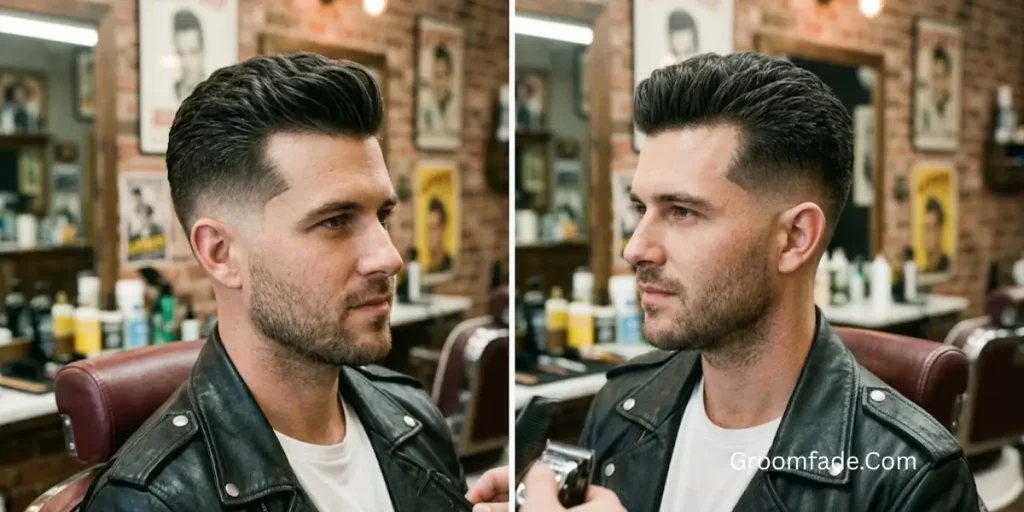
A low temple fade hairstyle keeps the fade close to the lower part of the temple and sideburn area. The transition is usually less noticeable than a high fade.
This makes it a good option if you prefer a natural appearance. It can be paired with a short crop, textured top, curls, waves, or medium hair.
Mid Temple Fade
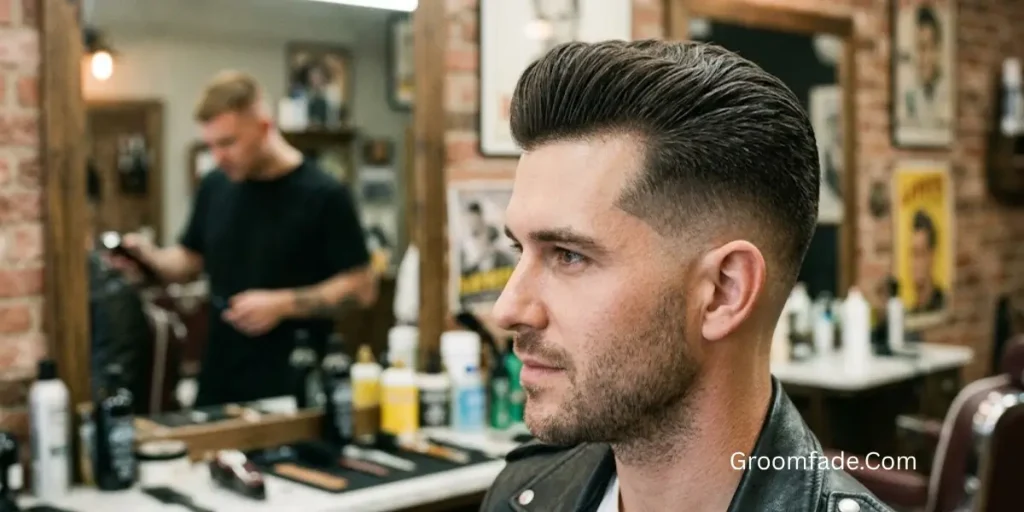
A mid temple fade creates more contrast than a low version without going as high as a high temple fade.
The barber places the transition around the middle of the temple area, creating a cleaner outline while keeping plenty of hair available for the top style.
It can work especially well with textured hair and short-to-medium hairstyles.
High Temple Fade
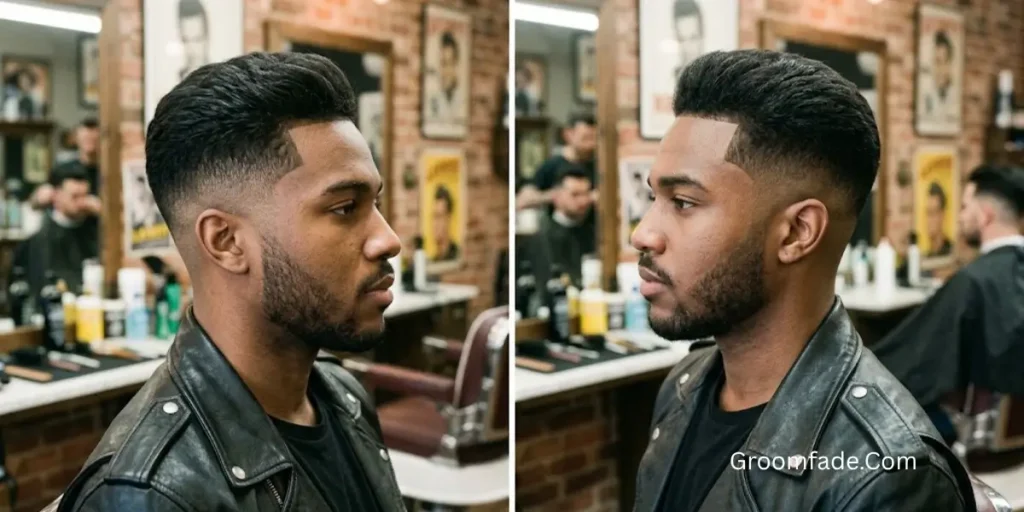
A high temple fade creates a stronger change around the temple area. More of the hair is removed near the sides, making the top appear more prominent.
This version suits people who like a sharper haircut with clear contrast. It can be combined with a textured top, curls, waves, an Afro, or a high-top style.
Skin Temp Fade
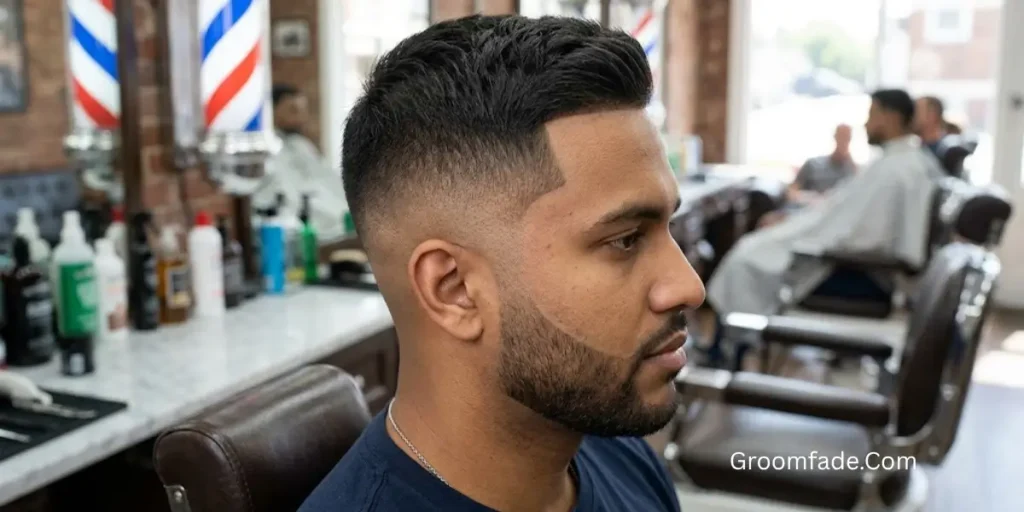
A skin temp fade takes the shortest part of the fade down to the skin around the temple. The hair then gradually becomes longer as it moves away from that area.
The result is clean and noticeable, but it can grow out quickly because the difference between skin and hair is easy to see.
Bald Temple Fade
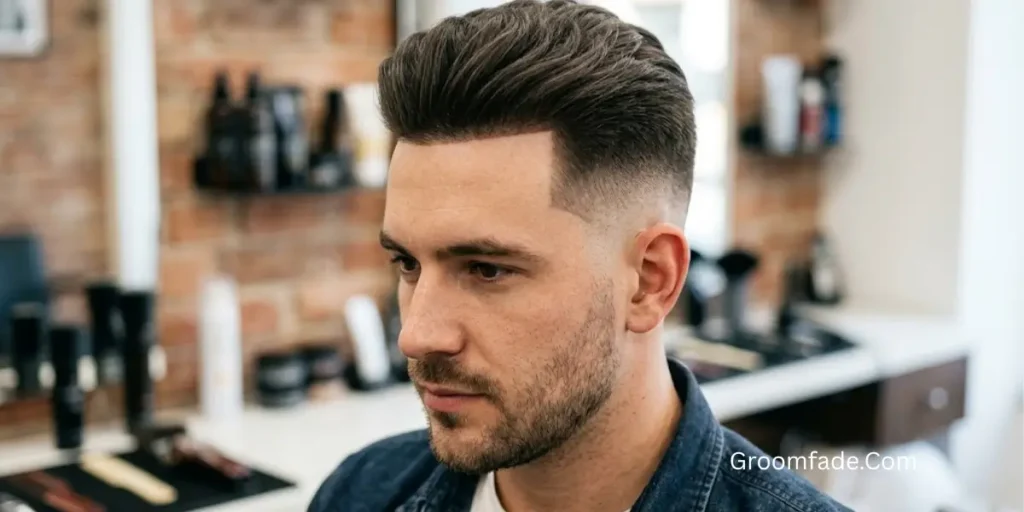
A bald temple fade is another version where the shortest section reaches the skin. The fade is concentrated around the temple rather than covering the entire side of the head.
It creates a sharp finish and can look especially clean when combined with a well-shaped hairline.
Shadow Temple Fade
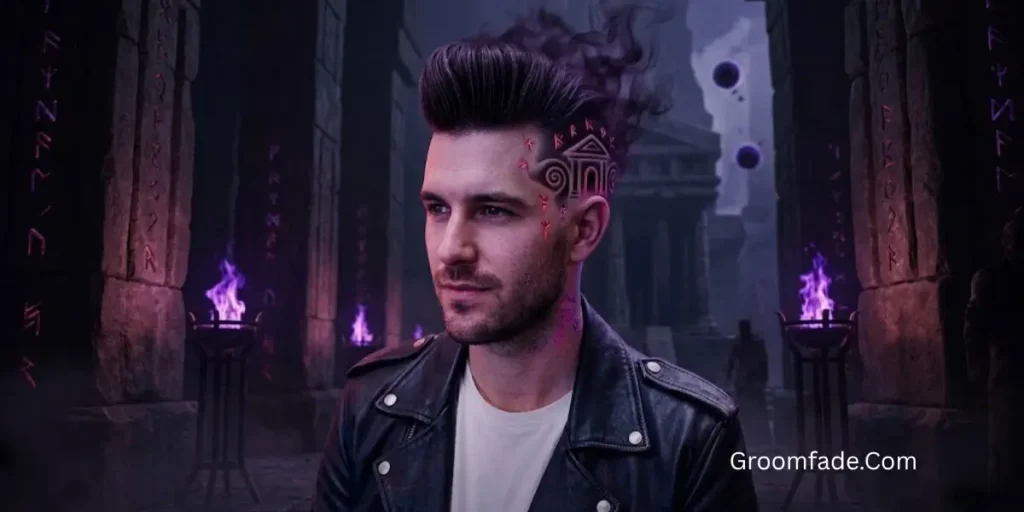
A shadow temple fade leaves a small amount of hair in the shortest part of the fade. Instead of exposing the skin, the barber creates a darker, softer transition.
This is useful if you want the shape of a temp fade without the strong contrast of a skin finish.
Temple Fade with Curly Hair
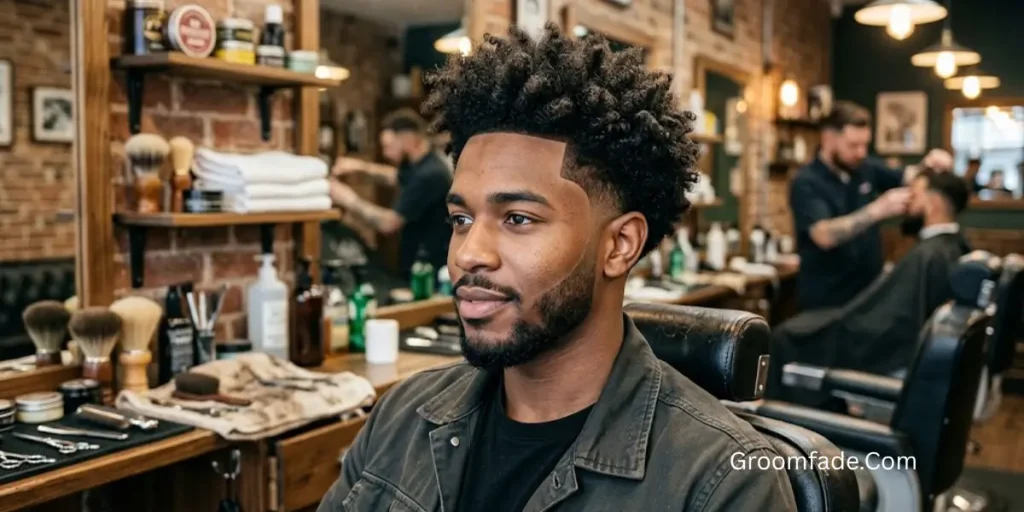
Curly hair can work very well with a temple fade because the clean temple area gives the curls more visual focus.
The top can be kept short and controlled or left longer for more curl definition. A natural hairline can also make the finished haircut look less severe.
Temple Fade Black Male
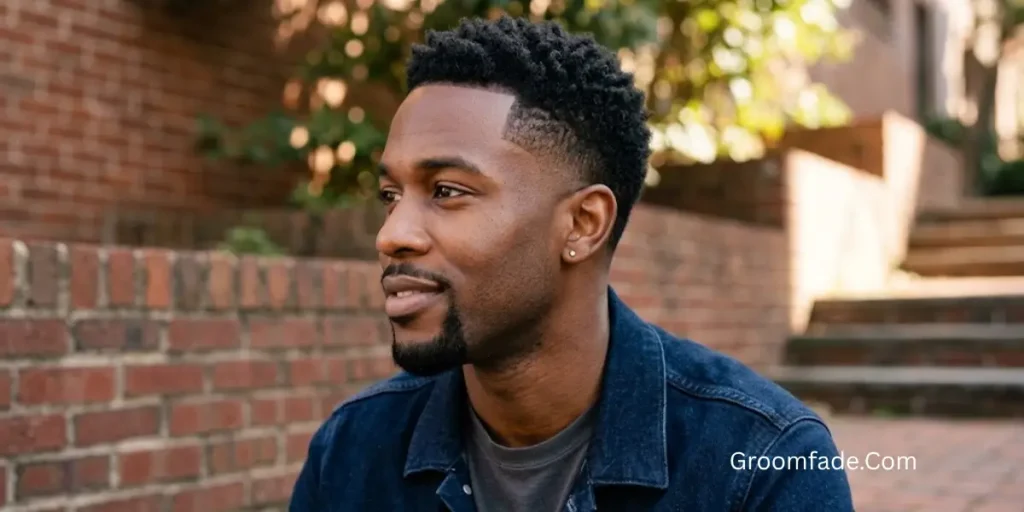
A temple fade Black male style can be paired with many natural hairstyles, including curls, coils, waves, Afros, braids, and short textured cuts.
The key is matching the fade to the natural hair pattern and desired shape. A skilled barber can adjust the temple area while keeping the top full and balanced.
For a less formal style with natural movement, Quiff Haircuts keep the front lifted while giving the rest of the hair a relaxed shape.
Temple Fade with Afro
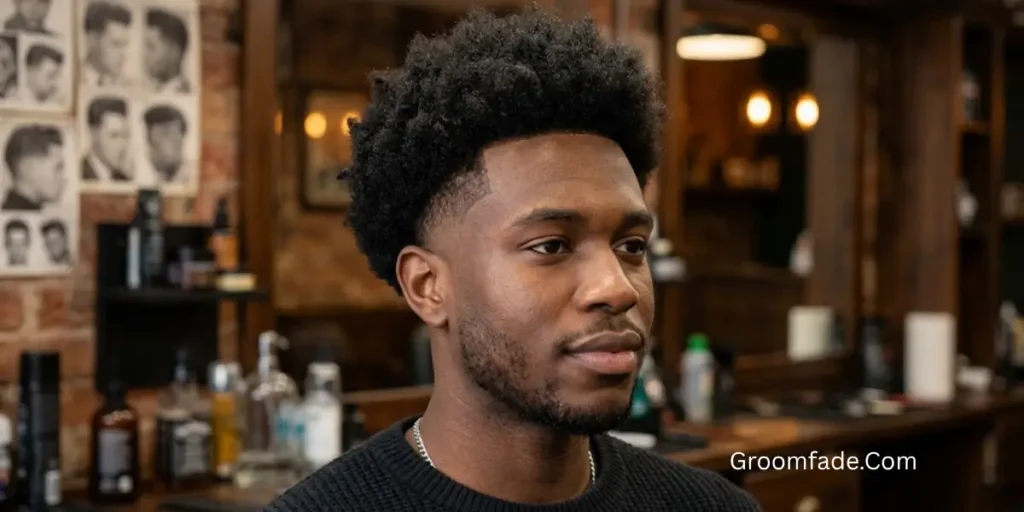
A temple fade with an Afro creates a clear contrast between the rounded volume on top and the cleaner temple area.
You can keep the Afro compact for an easier routine or allow more length for a fuller shape. A clean edge-up can add definition around the forehead and temples.
Temple Fade with Waves
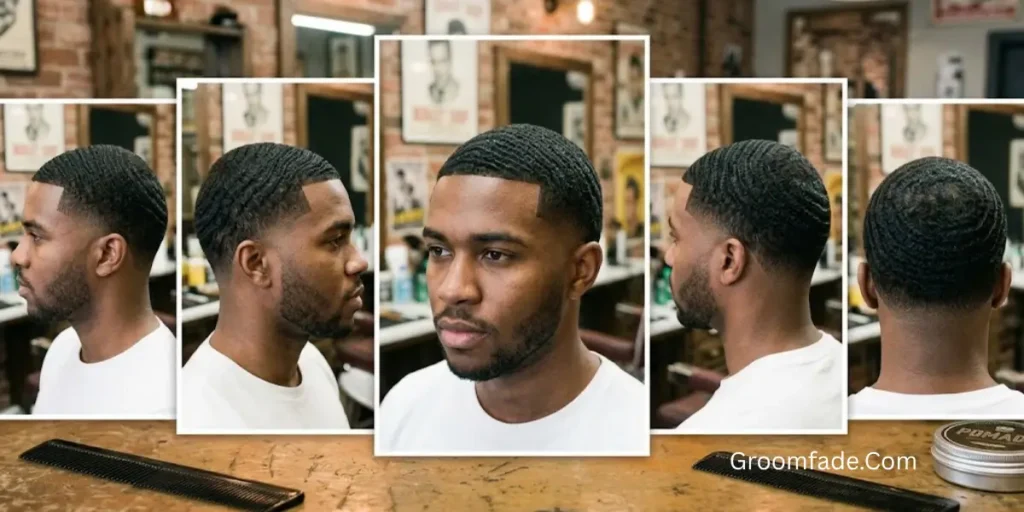
Waves and a temple fade make a clean combination. The waves provide texture across the top, while the fade keeps the temple and sideburn area neat.
Regular brushing and proper hair care are important for maintaining the wave pattern. Your barber can also shape the hairline without taking too much from the wave pattern.
Temple Fade with Beard
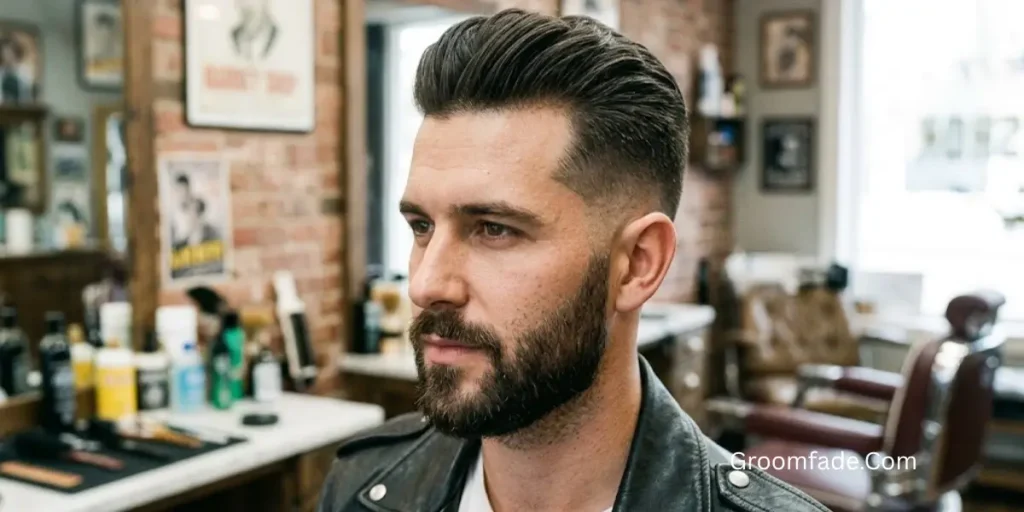
A temple fade with a beard creates a natural connection between the haircut and facial hair.
The barber can blend the sideburn area into the beard or create a clearer separation. The choice depends on whether you want a connected appearance or a more defined haircut and beard combination.
Temple Fade with Curly Top
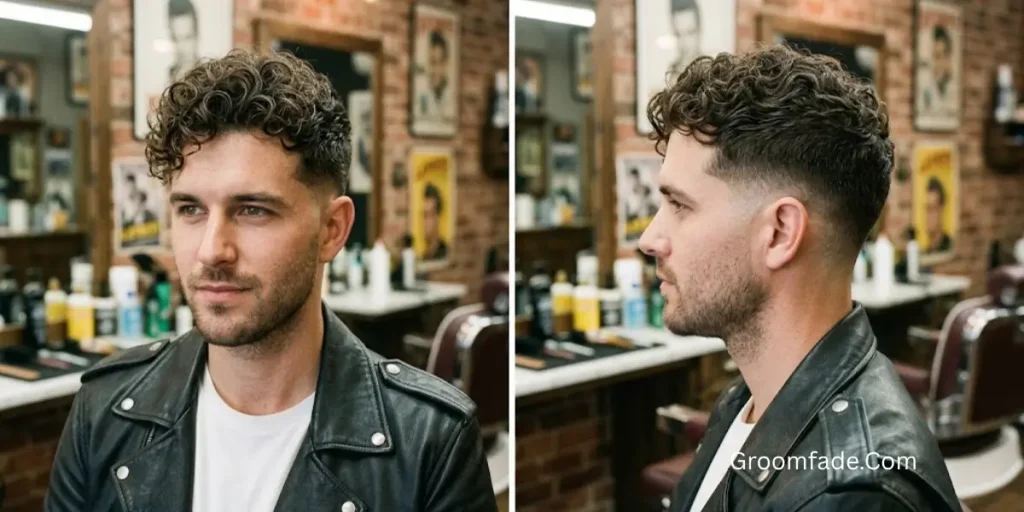
A curly top leaves most of the attention on the hair texture while the temple fade keeps the sides controlled.
This works with short and medium curls. For a natural finish, use a lightweight product that helps define curls without making them stiff or greasy.
Temple Fade with Textured Fringe
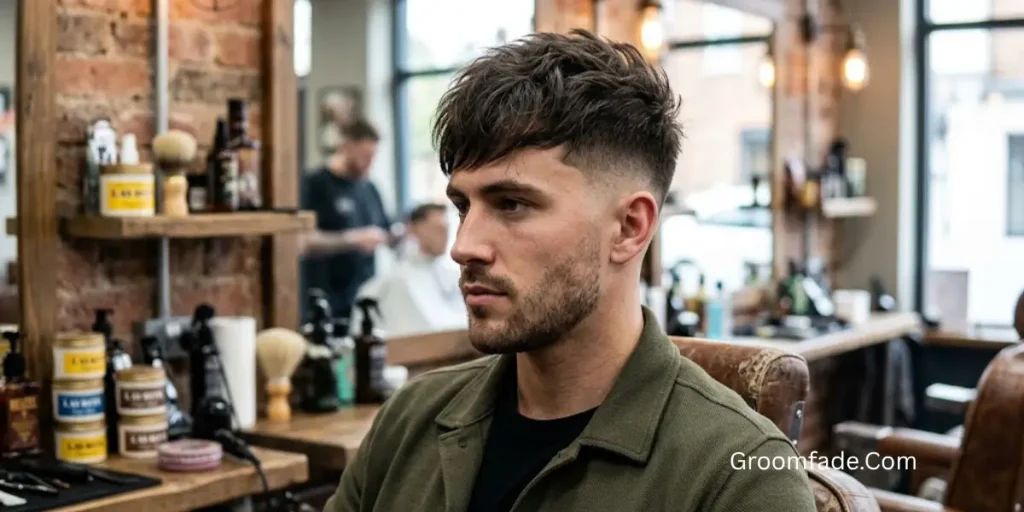
A textured fringe brings the hair forward over the forehead while the temple fade keeps the sides clean.
It is a practical option for men who want a modern short hairstyle without cutting the top extremely short. The fringe can be worn messy, slightly separated, or brushed forward.
Temple Fade Pompadour
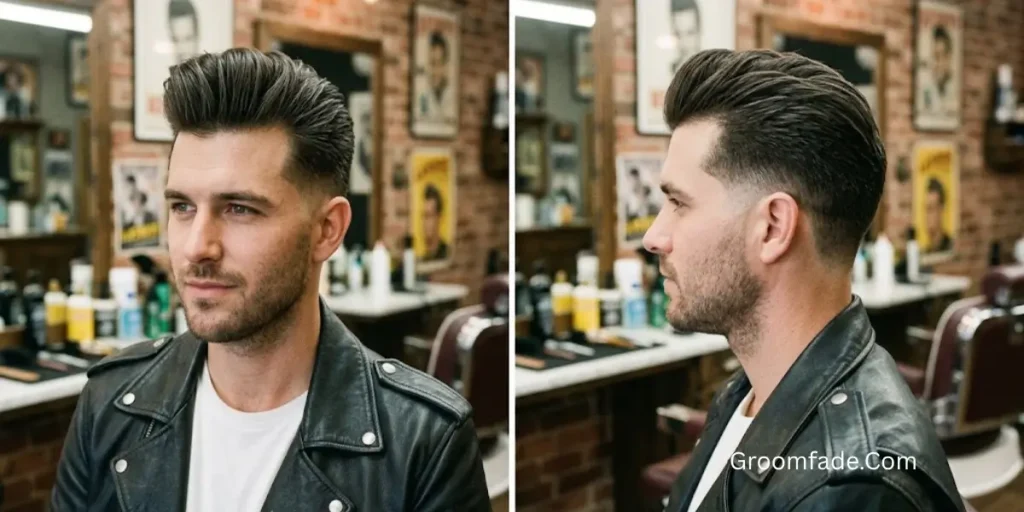
A pompadour needs length and volume on top, making the temple fade a useful way to keep the sides neat without removing the main feature of the hairstyle.
The top can be blow-dried upward and backward, followed by a small amount of pomade or another suitable styling product.
Temple Fade Slick Back
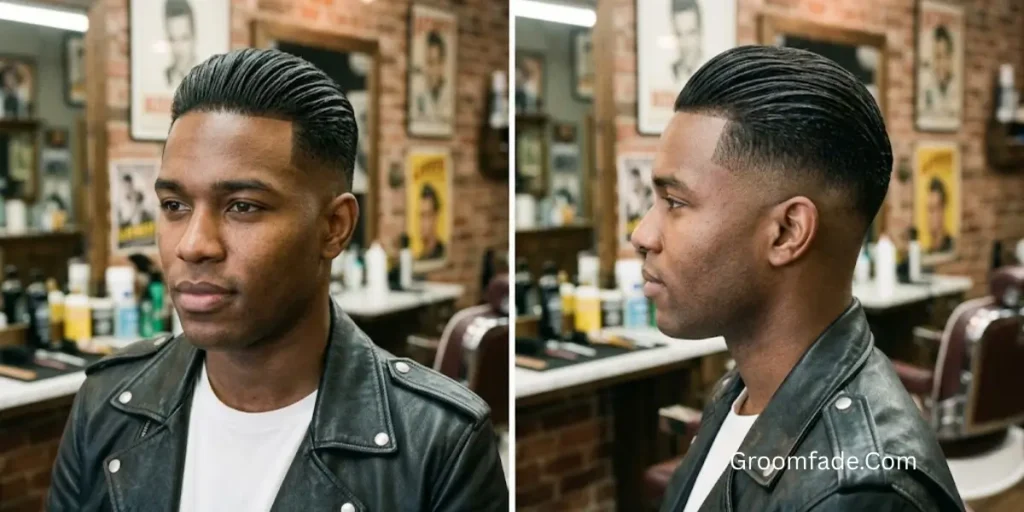
A slick-back temple fade combines longer hair on top with clean temple areas. The top is brushed backward, while the fade creates a clear outline around the sides.
Medium or long hair usually gives you more room to create the slicked-back shape. A product with enough hold helps keep the hair in place.
Temple Fade Comb Over
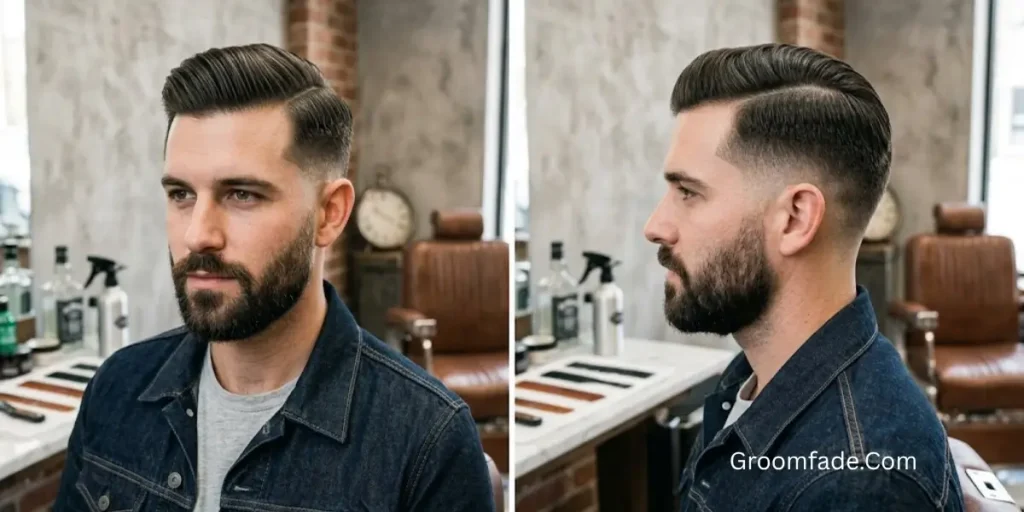
The comb-over version keeps the hair longer on top and directs it toward one side. The temple fade adds a cleaner finish around the sideburns.
For a relaxed look, leave some natural texture in the top. For a more polished style, use a light pomade or molding paste.
Temple Fade Buzz Cut
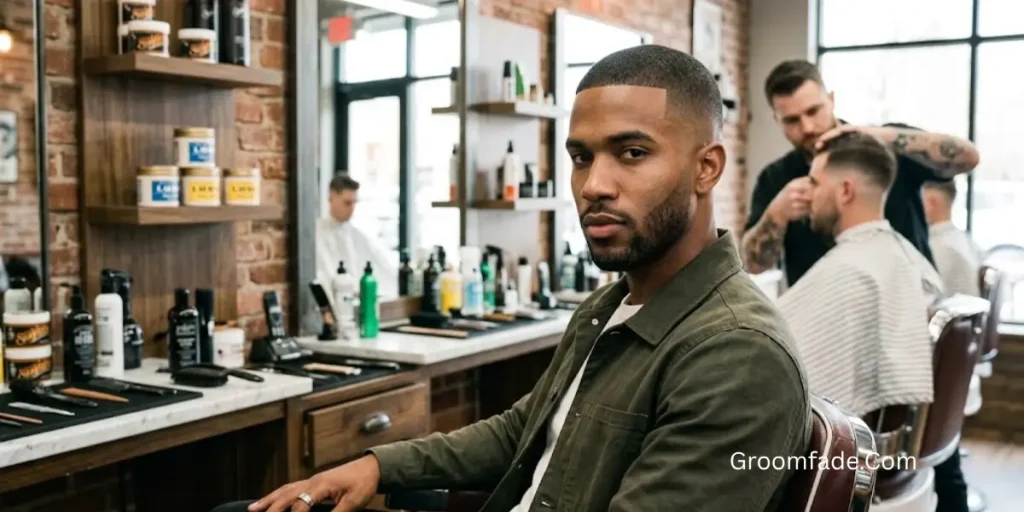
A buzz cut temple fade keeps the top very short while adding extra detail around the temples.
Because the hair is already short, daily styling is minimal. However, the fade and hairline can become noticeable as they grow out, so regular barber visits help maintain the clean shape.
The clean temple area of this fade also works well with the defined front of an Edgar Haircut, especially for men who prefer a short top and sharp fringe.
Temple Fade with Short Hair
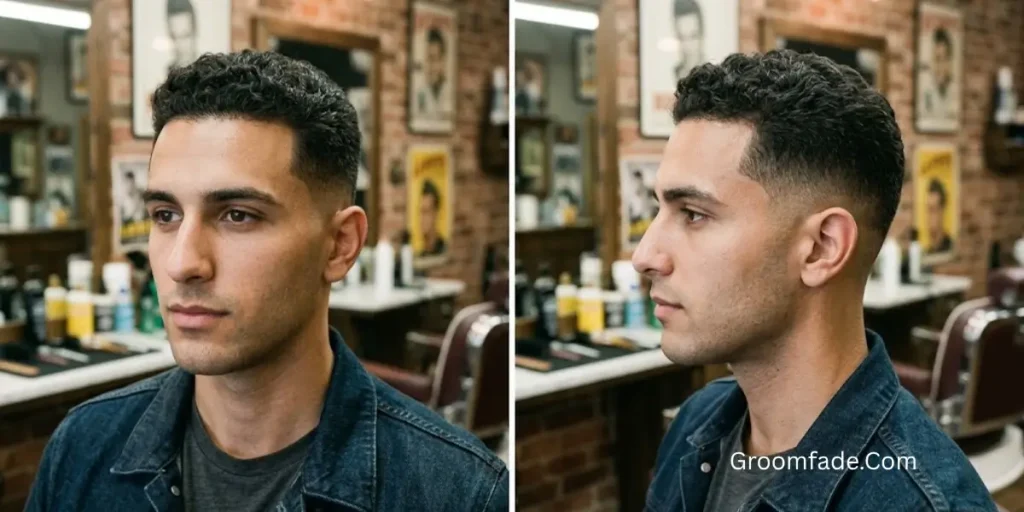
Short hair is one of the easiest ways to wear a temple fade. You can combine it with a crop, short textured top, Caesar cut, or simple brushed style.
The shorter top also keeps the haircut practical for people who do not want to spend much time styling their hair each morning.
Temple Fade Medium Hair
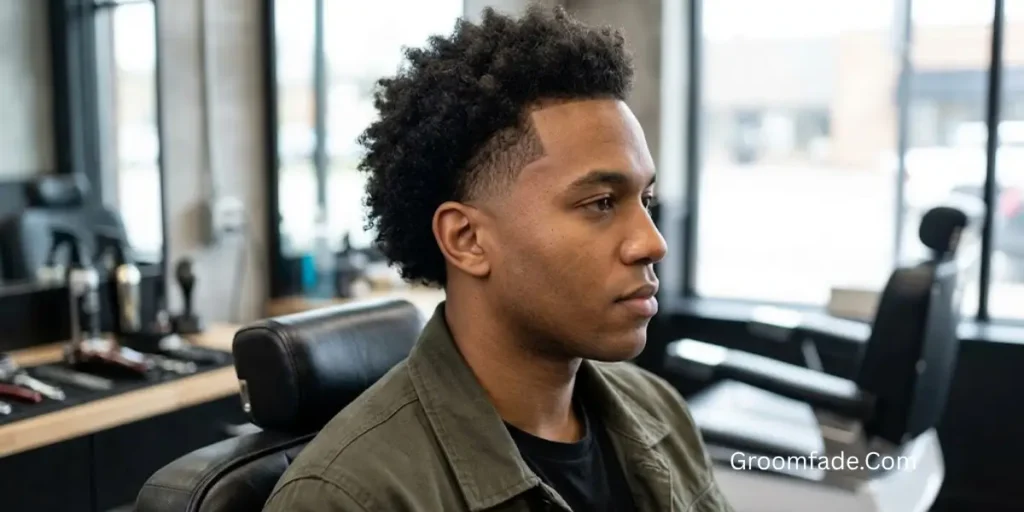
A temple fade medium hair style gives you more styling choices while keeping the temple area controlled.
Medium-length hair can be worn forward, pushed back, parted to one side, or styled with natural texture. This makes the combination useful if you want one haircut that can be changed between casual and polished looks.
Temple Fade Long Hair
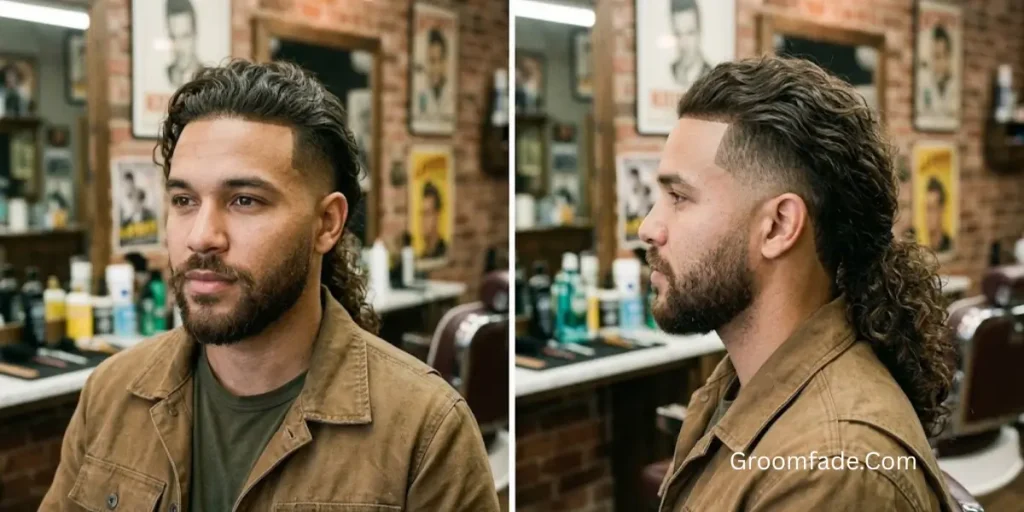
A temple fade long hair style creates a strong contrast between the longer top and the short temple area.
Longer hair can be slicked back, tied, parted, or worn naturally depending on its texture. The temple fade provides definition without requiring the entire side of the head to be cut short.
Temple Fade with Dreads
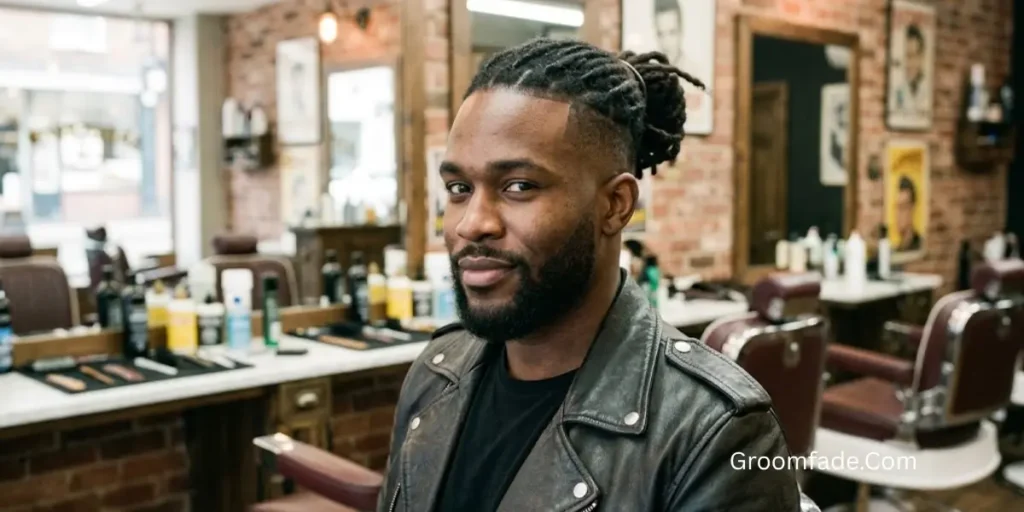
A temple fade can give dreadlocks a cleaner shape around the forehead and sideburns. The length and thickness of the dreads can vary, so the fade should be adjusted to the overall hairstyle.
A neat temple area can also make longer dreads appear more structured without changing their main shape.
Temple Fade with Braids
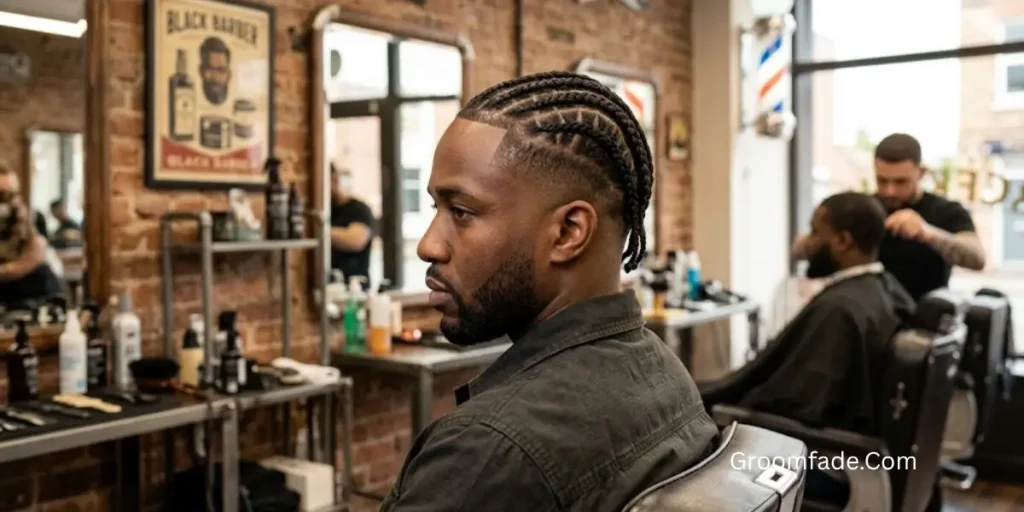
Braids and a temple fade create a sharp contrast between the detailed top and clean sides.
The fade can be kept low for a softer result or taken higher for stronger contrast. Since braids can put tension on the hairline, avoid asking for an overly aggressive edge-up if your hairline needs a more natural shape.
Temple Fade Mullet
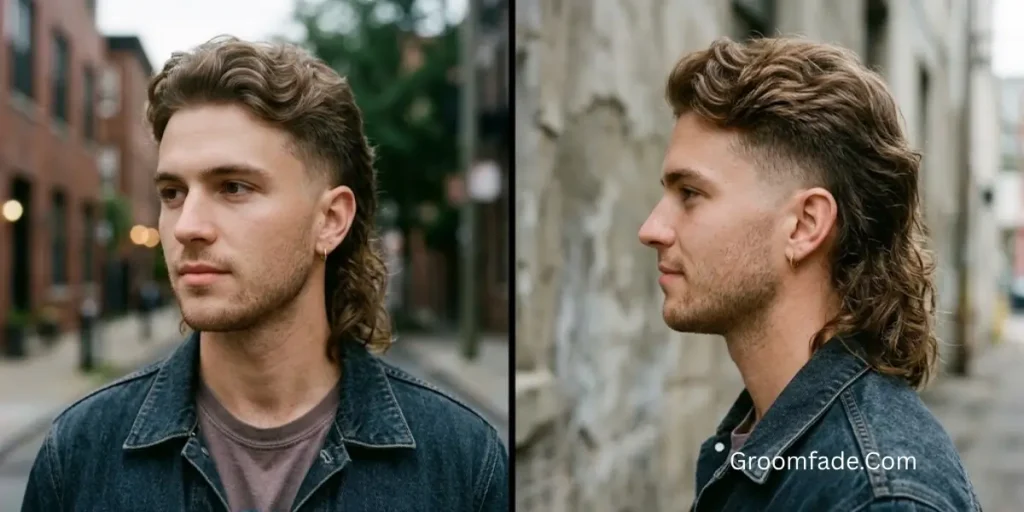
A temple fade can be combined with a modern mullet by keeping length toward the back while cleaning the temple area.
The top can be textured or left fuller, depending on the desired shape. This version works best when the transition between the top, sides, and back is planned as one haircut.
Blowout Temple Fade
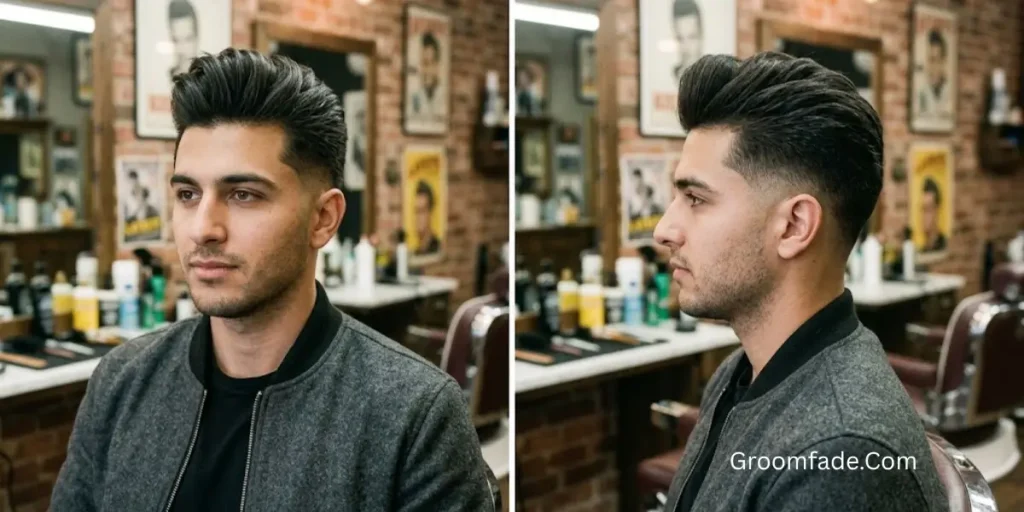
A blowout temple fade keeps volume through the top and often the back while the temple area is faded cleanly.
The top is usually styled away from the face to create a fuller appearance. A blow dryer and lightweight styling product can help create the shape without making the hair feel heavy.
Temple Fade Mohawk
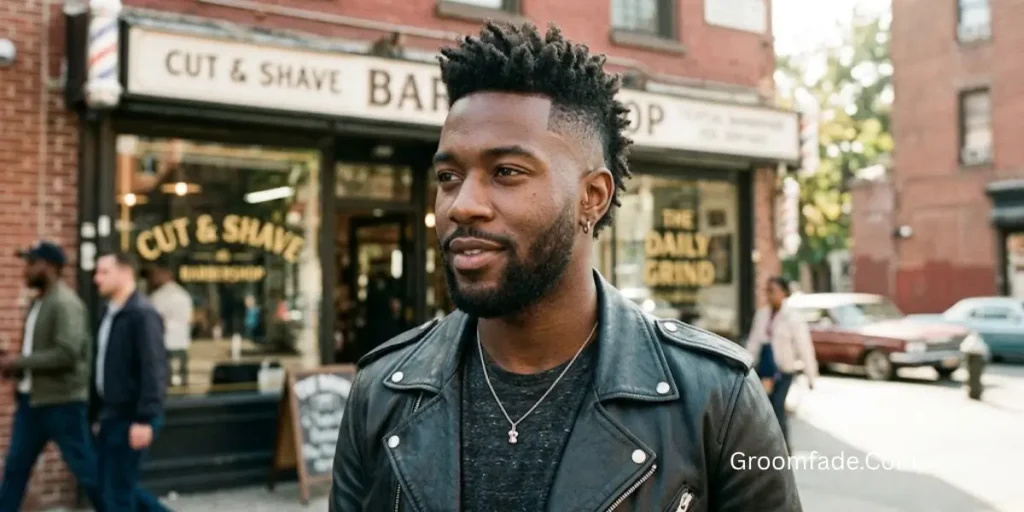
A temple fade mohawk keeps more hair through the center of the head while reducing the sides around the temples.
The height can be subtle or dramatic. Curly and coily hair can create a strong natural shape, while straight hair can be styled upward with the right product.
Temple Fade Faux Hawk
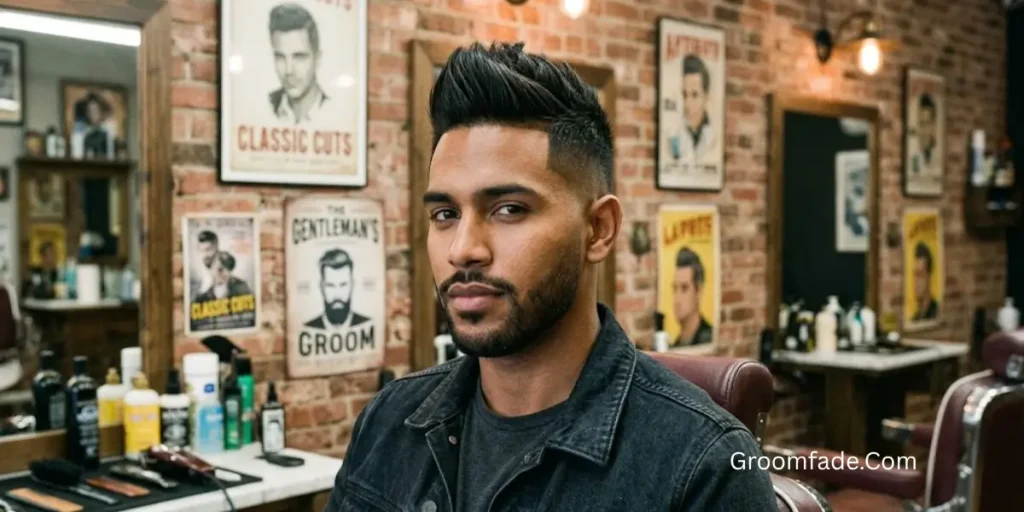
A faux hawk gives you the general shape of a mohawk without creating such a strong strip through the center.
The temple fade keeps the sides neat while the top is styled toward the middle. It is a useful choice if you want some edge but still need a hairstyle that works in everyday settings.
A textured fringe can give the sides a balanced appearance, making the French Crop Haircut another suitable choice for a short, structured look.
Temple Fade with High Top
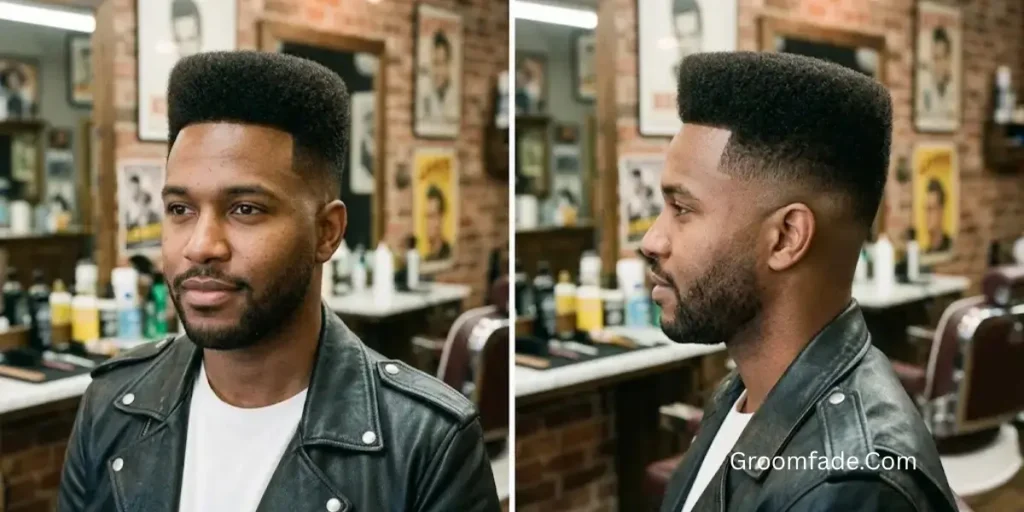
A high top paired with a temple fade puts the focus on height and shape. The fade cleans the area around the temples while the top remains full.
This style is especially suited to hair that naturally holds volume and shape. Regular shaping helps keep the high top looking balanced.
Temple Fade Caesar Cut
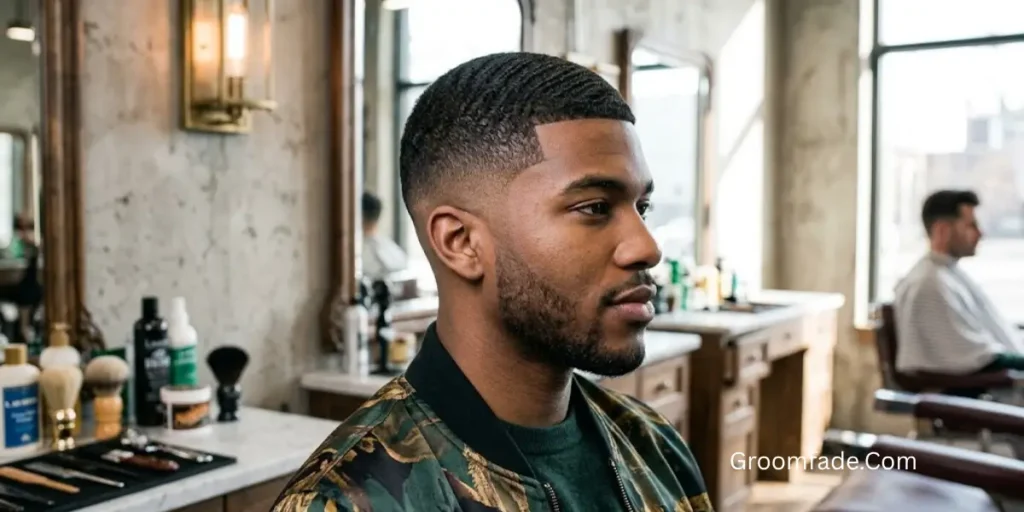
The Caesar cut keeps the top short with a small forward fringe. Adding a temple fade gives the haircut a cleaner outline around the sides.
It is a practical combination for anyone who wants a short hairstyle with a little more detail than a basic buzz cut.
Temple Fade Undercut
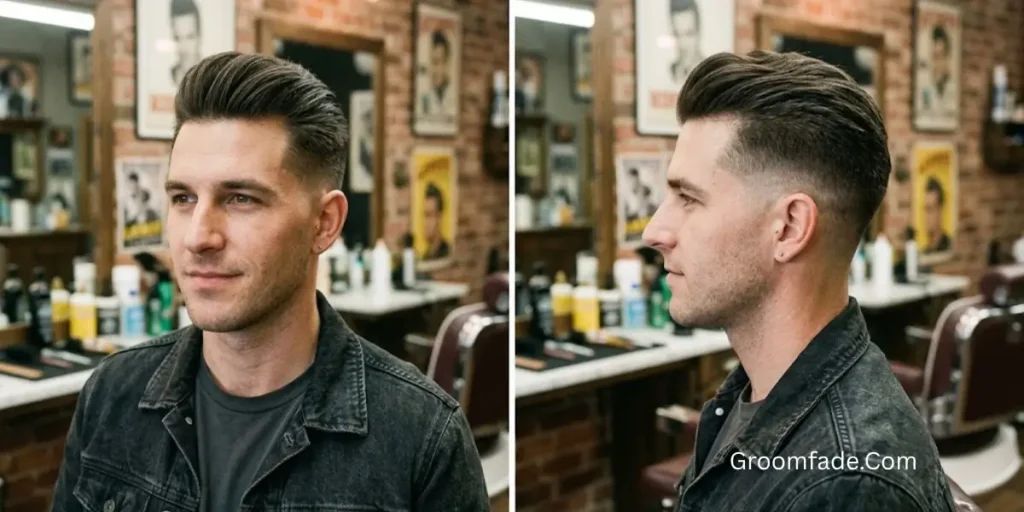
A temple fade with an undercut creates a stronger difference between the longer top and shorter sides.
Because the undercut can create a clear disconnect, it is important to tell your barber whether you want the top blended or intentionally separated from the sides.
Drop Temple Fade
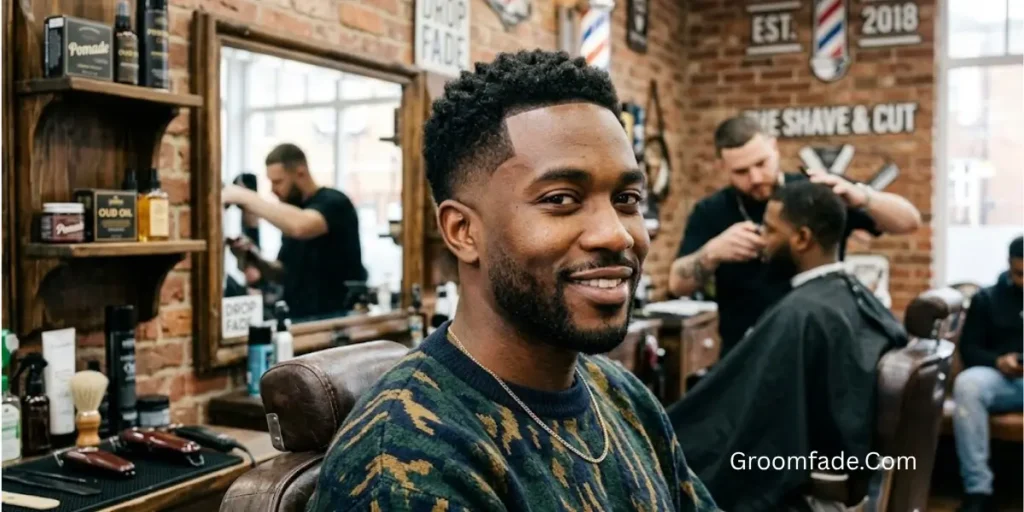
A drop temple fade follows a lower shape as it moves around the head. Instead of keeping the transition at one level, the fade can drop behind the ear.
This adds shape to the haircut and can work well with medium-length hair, curls, or styles that need more length toward the back.
Burst Temple Fade
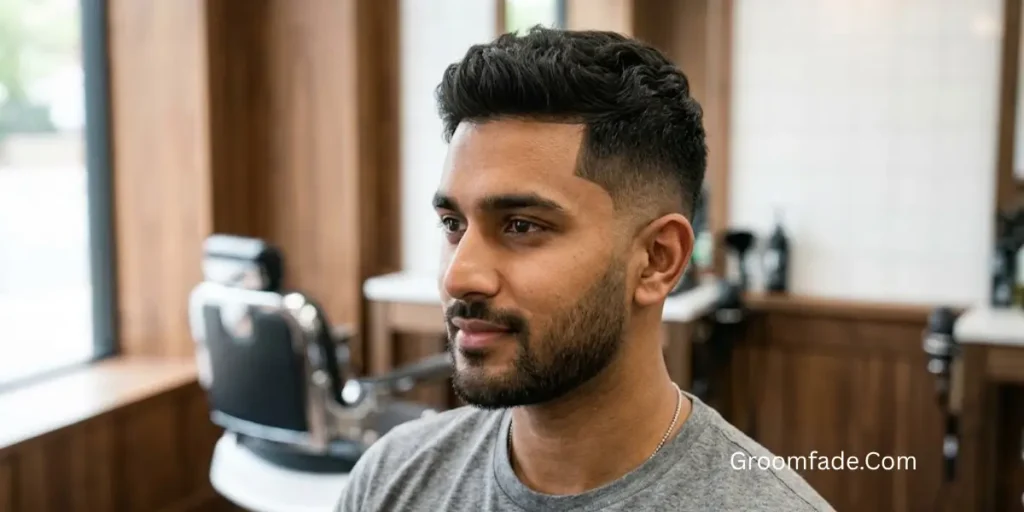
A burst temple fade creates a rounded fade around the ear and temple area.
It can be paired with a mohawk, curly top, textured hairstyle, or longer back. The rounded shape makes it different from a standard temple fade that follows a more limited area.
Temple Fade with Straight Hair
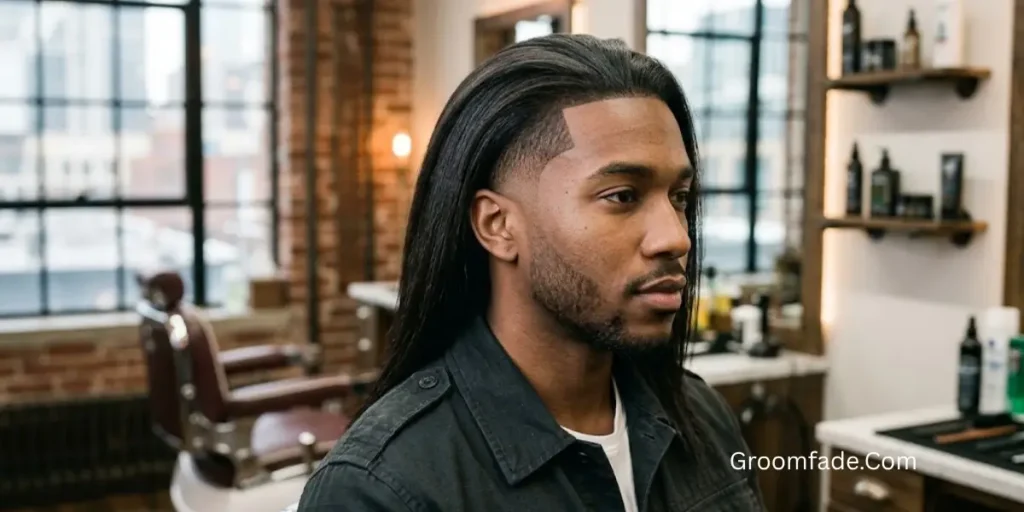
Straight hair makes the fade and hairline easy to see because the texture usually lies flatter against the head.
You can combine a temple fade with a comb over, textured fringe, slick back, crop, or medium-length top. The right styling choice depends on how thick and dense the hair is.
Temple Fade Asian Hair
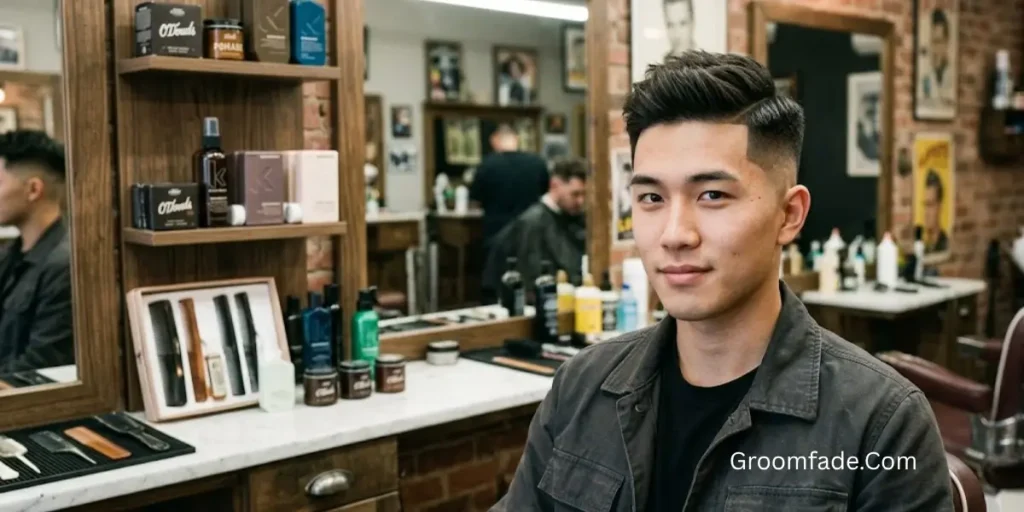
For Asian hair, a temple fade can work with straight, thick, medium, or textured hairstyles. The main goal is to balance the amount of hair removed around the temple with the natural density on top.
A textured crop, medium-length top, side part, or longer hairstyle can all work when the fade height is matched to the overall shape.
All Around Temple Fade
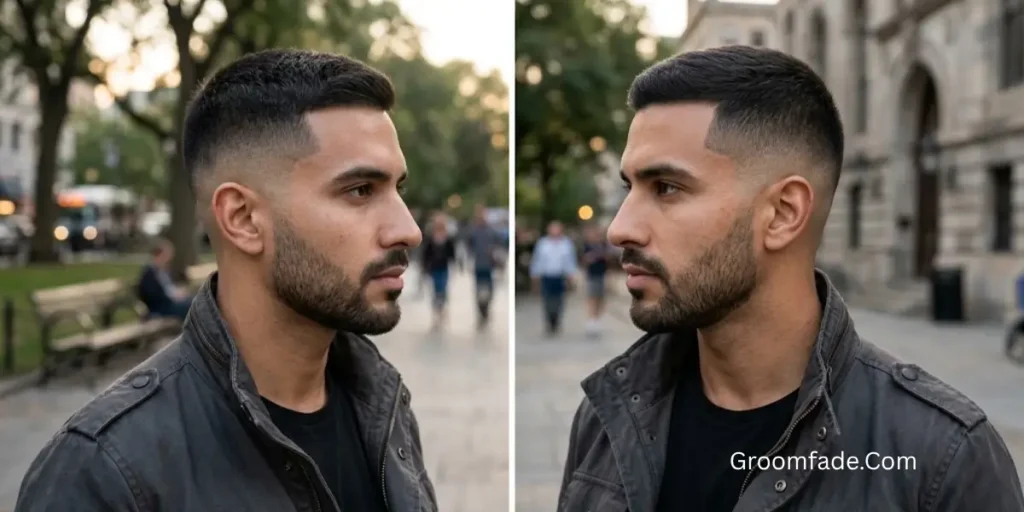
An all-around temple fade extends the clean transition beyond the immediate temple area to create a more connected finish around the sides.
It gives you more definition than a very subtle temple fade while still allowing the top to remain the main part of the hairstyle.
Temple Fade vs Taper Fade: What’s the Difference?
A temple fade and a taper fade can look similar, but they do not always remove hair in the same areas. A temple fade puts most of the attention on the temples and sideburns. A traditional taper usually reduces hair gradually around both the temples and neckline.
The terms are sometimes used differently by barbers, so showing a reference photo is helpful when you want a specific result.
Temple Fade
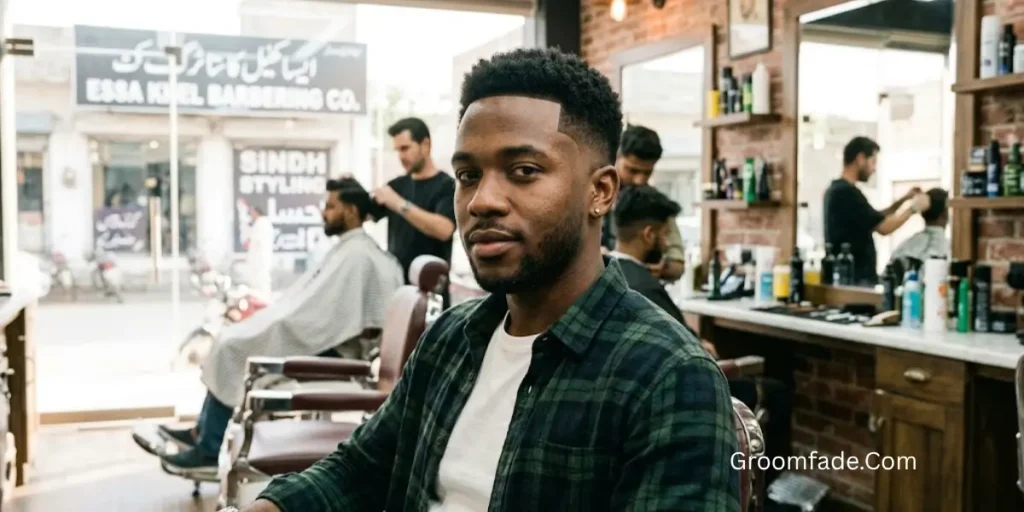
A temple fade creates a noticeable transition around the temple and sideburn area. The fade can be low, medium, high, shadowed, or taken down to the skin.
It is a good choice when you want cleaner sides while keeping more length around the rest of the head.
Taper Fade
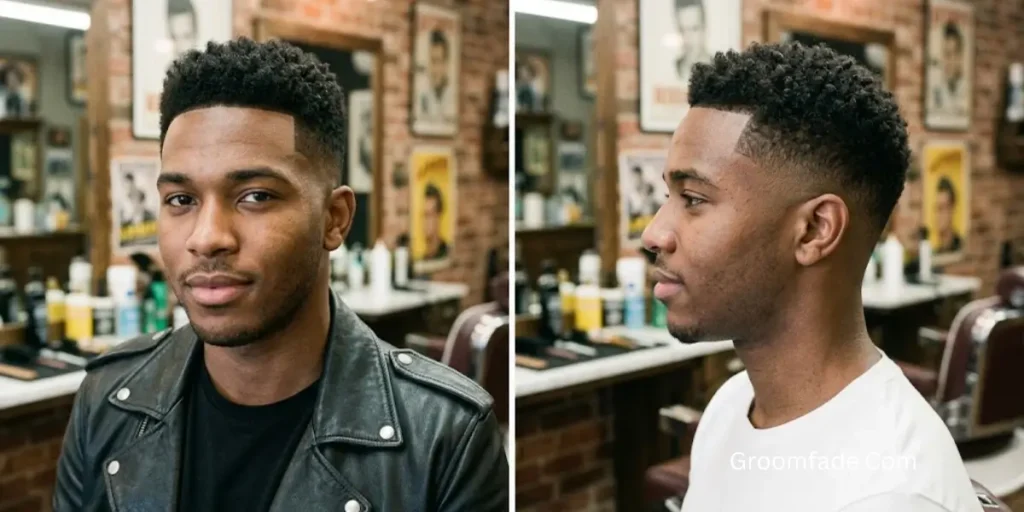
A taper fade gradually shortens the hair around the temples and neckline. Depending on the style, it can leave more hair on the sides than a traditional skin fade.
A taper is often chosen for a softer and more natural finish.
Adding more volume to the top creates a stronger contrast with the tapered temples. The Pompadour Fade combines that lifted shape with cleaner faded sides for a modern finish.
Temple Fade vs Taper Fade Comparison
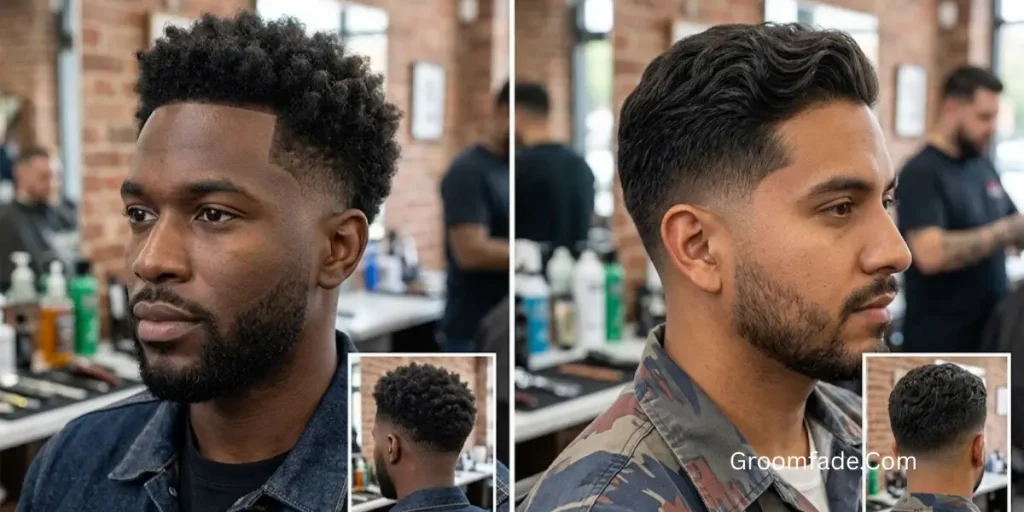
| Feature | Temple Fade | Taper Fade |
| Main fade area | Temples and sideburns | Temples and neckline |
| Top hair | Usually kept longer | Can be short or long |
| Side contrast | Focused around temples | More evenly tapered |
| Finish | Clean and defined | Soft to clean |
| Styling options | Very flexible | Very flexible |
| Maintenance | Moderate | Moderate |
If you are unsure which one you want, tell your barber exactly where you want the hair shortened rather than relying only on the name of the haircut.
How to Choose the Right Temple Fade
Your temple fade hairstyle should fit your hair, face shape, and daily routine. A barber can change the fade height, temple shape, and top length to create a balanced result. Think about how much contrast you want and how often you are willing to return for a cleanup before choosing the final style.
Choose by Face Shape
Oval Face
An oval face works with most temple fade haircuts because the proportions are already balanced. You can keep the top short, add texture, or leave more length for a slick back or pompadour.
Round Face
If your face is round, keeping some height or texture on top can make the face appear longer. A low or mid temple fade can keep the sides neat without taking away too much visual balance.
Square Face
A square face already has strong angles around the jaw and forehead. A clean temple fade can highlight those features. A short textured top or controlled side part can keep the overall haircut balanced.
Long Face
If your face is long, avoid adding unnecessary height to the top. A low temple fade with medium-length hair can help maintain more balance between the sides and top.
Diamond Face
A diamond face is wider around the cheekbones and narrower near the forehead and chin. A moderate temple fade with some texture or volume on top can help create a more even shape.
How to Ask Your Barber for a Temple Fade
A good haircut starts with clear communication. The name temple fade tells your barber the general idea, but details such as fade height, top length, skin exposure, and hairline shape can change the final result.
Tell Them Where You Want the Fade
Start by saying that you want the fade focused around the temples and sideburns. Then explain whether you prefer a low temple fade, mid temple fade, high temple fade, or skin temp fade.
If you want a subtle finish, say that you want the transition to remain soft. If you prefer stronger contrast, explain that you want the shortest section more visible.
Explain How Short You Want the Sides
You do not always need to know clipper guard numbers. If you do know the length you prefer, tell your barber.
Otherwise, explain whether you want:
- A natural shadow
- Very short hair
- A skin finish
- More length around the sides
- A sharp contrast
This gives your barber a better idea of the finish you want.
Describe the Hairstyle on Top
The top is just as important as the fade. Tell your barber if you want curls, waves, an Afro, crop, comb over, slick back, pompadour, buzz cut, or longer hair.
For temple fade medium hair or temple fade long hair, also explain how much length you want to keep.
Decide on the Hairline and Line Up
Ask for a natural hairline if you want the haircut to grow out softly. A sharper line-up creates a more defined appearance around the forehead and temples.
Do not feel that you need a very sharp edge-up just because you are getting a temple fade. The natural shape of your hairline should guide the final decision.
Show Your Barber a Reference Photo
A photo is one of the easiest ways to explain a haircut. Try to choose a picture showing the temple area clearly.
If possible, show your barber the front, side, and back views. This makes it easier to discuss the fade height, top length, hairline, and overall shape.
Men who prefer a stronger separation between the top and sides can also consider an Undercut Fade, where the longer hair on top creates a noticeable contrast with the shorter sides.
How to Style a Temple Fade Hairstyle
The fade itself does not require much daily styling. Most of the work depends on the hair you keep on top. A short buzz cut may need almost no product, while a pompadour or slick back needs more time and hold.
Start with Clean, Damp Hair
Wash your hair when needed for your hair type and routine. After washing, gently towel-dry it until it is damp rather than soaking wet.
This gives you a good base for products and makes blow-drying easier.
Apply the Right Pre-Styler
A pre-styling product can help with texture, volume, or control before your main styling product.
For a lighter finish, a small amount of sea salt spray can add texture. Avoid using too much because excess product can leave the hair dry or stiff.
Blow-Dry for Shape and Volume
Use a blow dryer to direct the hair where you want it to sit.
For a slick back, guide the hair backward. For a pompadour, lift the front while drying. For textured styles, use your fingers instead of making the hair completely flat.
Apply Your Styling Product
Choose the product based on the finish you want.
Texture clay works well when you want a matte, textured appearance. Molding paste gives flexible control. Pomade is useful for smoother styles such as a slick back or comb over.
Start with a small amount and add more only when needed.
Finish Without Overloading the Hair
A good hairstyle should still look like hair. Too much product can make the top look greasy, heavy, or stiff.
Work the product through the top rather than putting large amounts directly around the faded temple area.
Best Hair Products for Temple Fade Styles
The best product depends on the hairstyle rather than the fade itself. A buzz cut needs very little, while longer hair may need stronger control.
Texture Clay
Clay is useful for textured crops, messy styles, and short-to-medium hair. It usually gives a more natural, matte finish than a shiny styling product.
Molding Paste
Molding paste provides flexible hold. It works well when you want to change the shape of your hair during the day without creating a very hard finish.
Pomade
Pomade is a good choice for polished hairstyles such as slick backs, comb overs, and pompadours. Depending on the formula, it can provide anything from a natural finish to noticeable shine.
Sea Salt Spray
Sea salt spray can add light texture and help create a less polished, more natural shape. It is often useful before blow-drying medium or longer hair.
Texture Powder
Texture powder can add lift and make hair feel fuller. Use a small amount, especially if your hair is fine or easily weighed down.
Hydrating Argan Oil
Argan oil can help add softness and shine to dry hair. Use only a small amount because applying too much can make the hair look oily.
Clarifying Shampoo
A clarifying shampoo can help remove buildup from styling products. It should not automatically replace your regular shampoo, especially if your hair or scalp becomes dry easily.
Hydrating Conditioner
Conditioner helps keep the hair soft and manageable. Apply it mainly through the lengths and ends when appropriate for your hair type rather than using a large amount on the scalp.
How to Maintain a Temple Fade
A temple fade hairstyle can lose its sharp appearance as the hair grows. The shorter the fade, the easier it is to notice new growth. A simple maintenance routine keeps the haircut looking cleaner for longer.
Get Regular Barber Cleanups
Many people need a temple fade cleanup roughly every 1 to 3 weeks when they want a consistently sharp finish. Your own growth rate and preferred appearance may change this.
A softer shadow fade can usually look acceptable for longer than a skin temp fade.
Keep the Hairline Neat
The forehead and temple hairline can make a big difference to the finished appearance.
If you maintain the line-up at home, avoid repeatedly pushing the hairline farther back. If you are unsure, let your barber handle the shape during regular cleanups.
Follow a Simple Daily Hair Routine
Use only the products your hairstyle needs. Brush or comb the hair into place, refresh the top when needed, and avoid layering new product over heavy buildup.
Your routine should also match your hair texture. Curly and coily hair may need more moisture, while very fine hair often benefits from lighter products.
Take Care of Your Scalp
The faded area exposes more of the skin, so it is important to keep the scalp clean and comfortable.
Avoid scratching or aggressively shaving the area. If you notice ongoing irritation, bumps, or unusual skin changes, consider speaking with a qualified healthcare professional rather than repeatedly cutting the area shorter.
Is a Temple Fade Still in Style?
Yes, the temple fade hairstyle remains a versatile choice because it works with many different top styles instead of depending on one short-lived trend.
You can make it subtle with a low fade and natural hairline or create more contrast with a high or skin temp fade. Curls, waves, Afros, braids, medium hair, and longer hairstyles can all be combined with the basic temple fade shape.
Its biggest advantage is flexibility. You can change the hair on top without completely changing the fade around the temples.
Which Temple Fade Looks Most Attractive?
There is no single most attractive fade for every man. The best-looking option depends on your face shape, hair texture, hairline, top length, and personal style.
For a safe starting point, a low or mid temple fade offers a balanced appearance without creating an extremely strong contrast. If you prefer a sharper haircut, a high or skin temple fade can make the hairstyle stand out more.
Your barber can also adjust the fade to work with your natural hairline rather than copying the exact shape from someone else’s haircut.
FAQs About Temple Fade Hairstyle
Q1. What Is a Temple Fade Haircut?
A temple fade haircut gradually shortens the hair around the temples and sideburns while leaving more length on top. The fade can be low, medium, high, shadowed, or taken down to the skin. It can be combined with short, medium, or long hairstyles.
Q2. What’s the Difference Between a Taper Fade and a Temple Fade?
A temple fade mainly focuses on the temple and sideburn area. A taper generally reduces the hair around the temples and neckline. The terms can overlap in some barbershops, so it is best to explain the exact areas and finish you want.
Q3. Is a Temple Fade Still in Style?
Yes. Temple fades remain popular because they can be combined with many hairstyles and hair textures. A low temp fade can look subtle, while a high or skin temp fade gives a stronger contrast. The style can also be adapted as your preferred top hairstyle changes.
Q4. Who Does the Temple Fade Suit?
A temple fade can suit many men because the fade is adjustable. Your barber can change the height, length, and shape according to your hair texture, face shape, hairline, and preferred level of contrast.
Q5. Does a Temple Fade Work for Curly or Coily Hair?
Yes. A temple fade can work very well with curly and coily hair. Keeping enough length on top allows the natural texture to remain the main feature, while the faded temple area gives the haircut a cleaner outline.
Q6. What Does a Temp Fade Look Like?
A temp fade looks like a gradual reduction in hair around the temple and sideburn area. The shortest section can be a visible shadow, very short hair, or skin. The rest of the haircut can vary greatly depending on the top style.
Q7. What Hairstyles Pair Best With a Temple Fade?
Popular combinations include curly tops, Afros, waves, crops, comb overs, slick backs, pompadours, buzz cuts, braids, dreads, mullets, and longer hair. The best match depends on your hair texture and how much styling you want to do.
Q8. What Face Shape Suits a Temple Fade?
A temple fade can work with oval, round, square, long, and diamond face shapes. The important part is adjusting the fade height and top volume. For example, someone with a long face may prefer less height on top.
Q9. Is a Temple Fade and Taper the Same?
No, they are not always the same. A temple fade focuses mainly on the temple and sideburn area, while a taper usually reduces hair around the temples and neckline. However, barbers and clients sometimes use the terms differently.
Q10. How Do You Ask Your Barber for a Temple Fade?
Tell your barber that you want a temple fade and explain whether you prefer a low, mid, high, shadow, or skin finish. Then describe the length and style you want on top. Showing a clear reference photo can make the request easier.