
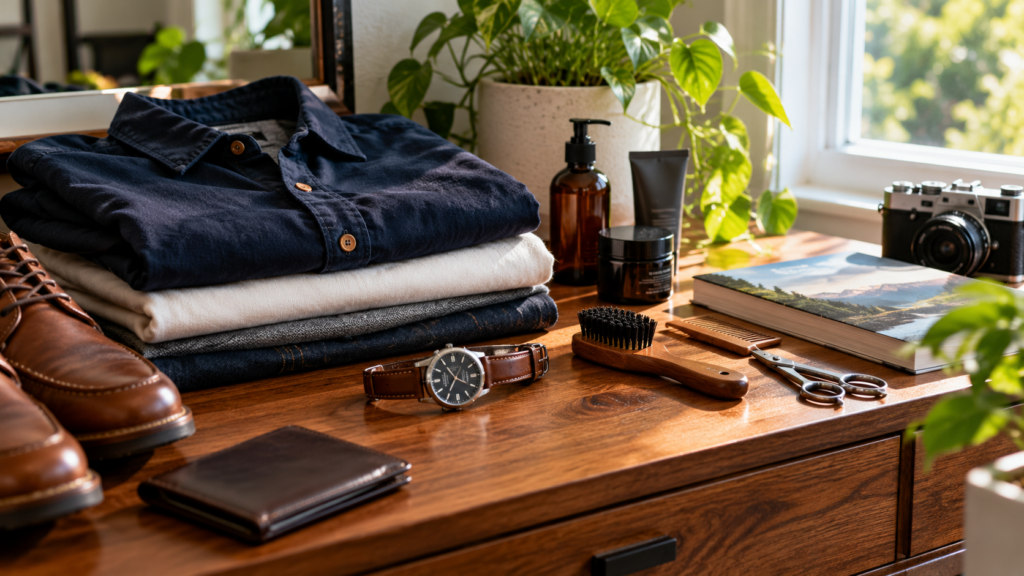
Men’s lifestyles are shaped by a wide range of personal preferences, from the clothes they wear to the grooming routines they follow and the activities they enjoy during their free time. While fashion trends and social influences can introduce new ideas, individual choices ultimately determine how men express themselves in everyday life.
Some men prefer classic clothing, simple hairstyles, and practical routines that require little maintenance. Others enjoy experimenting with contemporary fashion, trying different hairstyles, and exploring new hobbies. Neither approach is necessarily better than the other. The right choices depend on personal comfort, lifestyle, budget, interests, and the amount of time someone wants to spend on their appearance.
Understanding these preferences helps explain why men’s fashion, grooming, and leisure activities vary so widely. It also shows how seemingly small decisions can contribute to confidence, self-expression, and a more comfortable daily routine.
How Personal Preferences Influence Men’s Fashion:
Fashion is one of the most visible ways people communicate their personalities. Clothing choices can reflect professional responsibilities, cultural influences, personal interests, and individual ideas about comfort and style.
For example, someone working in a formal office may prefer tailored trousers, shirts, and structured jackets. A person working in a creative environment might choose relaxed silhouettes, distinctive colours, or casual combinations. Meanwhile, someone who spends much of the day travelling may prioritise breathable fabrics, comfortable footwear, and versatile clothing.
These choices are not simply about following trends. They are about finding clothes that suit everyday requirements while reflecting individual taste.
Comfort and Practicality Come First
Comfort is an important consideration when building a wardrobe. Clothing that looks attractive but restricts movement or feels uncomfortable may not be practical for regular use.
Fabric, fit, weather, and daily activities all influence whether an outfit works well. Lightweight cotton clothing may be useful in warmer conditions, while layering can help people adjust to changing temperatures. Similarly, well-fitting trousers and comfortable shoes can make long working days easier.
A practical wardrobe does not need to be expensive or extensive. A few versatile essentials, such as plain T-shirts, well-fitting jeans, neutral shirts, and suitable footwear, can provide a foundation for different occasions.
Trends Versus Individual Style
Fashion trends can provide inspiration, but not every popular look will suit every person. A particular cut, colour, or silhouette may work well for one individual and feel uncomfortable or unsuitable for another.
Developing personal style involves identifying which trends genuinely appeal to you and adapting them to your preferences. Someone who enjoys minimalist fashion might incorporate a contemporary jacket into an otherwise simple outfit. Another person might experiment with accessories while keeping their clothing relatively understated.
The objective is not to recreate every look seen online. It is to understand what works for your personality, surroundings, and lifestyle.
The Connection Between Grooming Habits and Personal Identity:
Grooming is another area where individual preferences play an important role. Haircuts, facial hair, skincare, and personal care routines can influence how someone presents themselves and how comfortable they feel with their appearance.
Some men prefer short haircuts because they are easy to maintain. Others enjoy longer hairstyles that require additional styling. Similarly, some choose clean-shaven looks, while others prefer a moustache, a short beard, or a fuller facial hairstyle.
These decisions often reflect personal taste as much as practical requirements.
Choosing a Haircut That Fits Your Lifestyle
The best haircut is not always the most fashionable one. It is often the style that works with a person’s hair texture, preferred appearance, daily schedule, and willingness to maintain it.
For instance, a short fade may create a neat, defined appearance but require regular barber visits to maintain its shape. A longer, textured hairstyle may offer more styling flexibility while requiring suitable products and additional time each morning.
Before choosing a haircut, it helps to consider:
- Hair texture: Straight, wavy, curly, and coily hair can behave differently and may require different styling approaches.
- Maintenance time: Some hairstyles need frequent trims or daily styling, while others can be maintained with a simpler routine.
- Personal preference: A haircut should reflect the look you want rather than simply copying a popular style.
- Daily responsibilities: Workplace expectations, physical activities, and personal routines may influence which haircut feels most practical.
Men looking for a practical hairstyle can also explore different cuts before visiting the barber. For example, our guide to textured crop haircuts for men covers low-maintenance styles, fades, and textured variations that can be adapted to different hair types and personal preferences.
A useful way to communicate with a barber is to explain the preferred length, the amount of maintenance you are comfortable with, and the overall appearance you want. Reference photographs can also help clarify expectations.
Building a Sustainable Grooming Routine
An effective grooming routine does not have to involve numerous products or complicated steps. Consistency and suitability are often more useful than having an extensive collection of grooming items.
A basic routine might include cleansing the skin, using a moisturiser suited to individual needs, maintaining facial hair, and keeping hair clean and manageable. Someone who spends considerable time outdoors may need to pay additional attention to sun protection, while a person who regularly exercises may prefer products and routines that fit around workouts.
Budget is another important consideration. Buying several products because they are trending can lead to unnecessary spending. It is generally more practical to identify specific needs and choose products accordingly.
Personal grooming should also remain flexible. Changes in weather, work schedules, hair length, or personal priorities may mean adjusting the routine over time.
How Shopping Preferences Shape Personal Style:
Personal preferences influence not only what men wear but also how they shop. Some enjoy browsing physical stores, comparing fabrics, and trying on different outfits. Others prefer researching products online, reading reviews, and ordering items from home.
Each approach has advantages. Physical stores allow shoppers to assess fit and material directly, while online shopping can provide access to a wider selection and make product comparisons easier.
Regardless of the method, informed decisions begin with understanding personal requirements.
Making More Considered Consumer Choices
Online platforms make it easier to discover clothing, grooming products, entertainment options, and lifestyle accessories. However, the large number of available products can also make it difficult to separate useful information from promotional content.
A practical shopping process begins with a clear purpose. Before purchasing something, consider whether it meets an actual need, fits the available budget, and offers suitable quality.
For adult consumers researching different leisure-related product categories, including wholesale elf bar vapes, it is important to evaluate product information carefully and understand the applicable age restrictions and local regulations. Product availability or marketing claims should not replace informed decision-making. Vaping carries health risks, and nicotine is addictive; it should not be treated as a grooming, fitness, or wellness recommendation.
The same general principle applies to clothing and personal care. Reading product specifications, checking return policies, and comparing credible information can help consumers avoid purchases that do not suit their needs.
Budget and Long-Term Value
Personal style does not depend on spending the most money. A carefully chosen, well-maintained wardrobe can be more useful than a large collection of items that rarely get worn.
Before buying new clothing, consider how it will work with existing pieces. A neutral overshirt that complements several outfits may provide more value than a highly distinctive item that suits only one occasion.
The same approach works for grooming products. Replacing an item when necessary and avoiding unnecessary purchases can make a routine easier to manage financially.
Ultimately, the best shopping decisions are those that balance preference, quality, usefulness, and affordability.
The Role of Leisure Activities in Men’s Lifestyles:
Fashion and grooming are only part of personal expression. Leisure activities also reveal a great deal about individual interests, social habits, and preferred ways to spend free time.
Some men enjoy reading, photography, cooking, travelling, or learning new skills. Others prefer watching sports, attending live events, playing games, or spending time outdoors. Many people combine several interests depending on their schedules and circumstances.
Leisure preferences can also influence clothing choices. Someone who enjoys hiking may prioritise durable footwear and practical outdoor clothing. A person who attends concerts may prefer expressive outfits, while a regular gym-goer may invest in comfortable sportswear.
These connections show that personal style is not limited to special occasions. It often develops around the activities people enjoy most.
Sports Fandom and Social Connections
Sports can be an important part of leisure time because they give people opportunities to share experiences, follow competitions, and connect with others who have similar interests.
Cricket fans, for example, may follow domestic tournaments, international fixtures, or franchise competitions. Some enjoy analysing performances, while others are more interested in the atmosphere of live matches and conversations with friends.
For fans following South African franchise cricket, exploring the SA20 teams can be one way to learn more about the competition and the franchises involved. Following a team can provide a shared interest for friends and family members, whether they watch matches together at home, discuss results online, or attend games when possible.
Sports-related interests may also influence everyday routines. Fans might plan social gatherings around important matches or choose comfortable clothing for a day at the stadium. Others may use their interest in sport as motivation to participate in physical activities themselves.
The key is that leisure preferences are personal. Not everyone enjoys the same sport, and people can engage with a competition at whatever level suits their interests.
Balancing Screen Time and Offline Activities
Digital platforms have changed how people discover hobbies and spend their leisure time. Streaming services, social media, online communities, and mobile applications make entertainment accessible across different schedules.
These options can be convenient, but a balanced routine may also include offline activities. Walking, exercising, meeting friends, pursuing creative hobbies, and spending time outdoors can provide variety beyond screen-based entertainment.
A balanced approach does not require abandoning digital entertainment. Instead, it involves choosing activities intentionally and making room for different interests.
For example, someone who enjoys watching cricket might combine match viewing with regular exercise, while a person who follows fashion content online might also explore clothing stores or develop a personal styling hobby.
How Work, Relationships, and Environment Influence Preferences:
Personal preferences do not develop in isolation. Work responsibilities, relationships, cultural backgrounds, climate, and social environments can all influence fashion, grooming, and leisure choices.
A person with a demanding work schedule may prefer a simple haircut and a small wardrobe of interchangeable outfits. Someone with more time for creative pursuits might enjoy experimenting with clothing or developing a detailed skincare routine.
Family responsibilities can also affect leisure activities. People may choose hobbies that fit around shared schedules or allow them to spend time with friends and relatives.
Climate and location matter as well. Warm weather can encourage lighter fabrics and different haircare habits, while colder conditions may require additional layers and seasonal adjustments.
These influences can change over time. A new job, a move to another city, a change in budget, or a developing interest may lead someone to reconsider their usual choices.
Being open to change makes it easier to build routines that continue to fit real-life circumstances.
Finding a Balance Between Appearance and Enjoyment:
Fashion, grooming, and leisure activities should support a person’s lifestyle rather than create unnecessary pressure. Social media can introduce useful ideas, but constant comparisons with celebrities, influencers, or friends may encourage unrealistic expectations.
A more sustainable approach is to identify what genuinely matters. Someone might value a polished professional appearance, while another person may prioritise comfort and flexibility. Both approaches can be reasonable when they suit the individual’s circumstances.
It is also helpful to recognise that personal preferences can evolve. A haircut that once felt ideal may no longer suit a new schedule. A clothing style may change as professional responsibilities develop. Leisure interests may shift as people discover new activities or make different social connections.
Instead of trying to maintain a fixed identity, people can make gradual adjustments based on experience.
Conclusion:
Personal preferences play a central role in shaping men’s fashion, grooming habits, shopping decisions, and leisure activities. They influence everything from the clothes someone chooses for work to the haircut they maintain and the hobbies they enjoy after a busy day.
The most useful choices are those that balance comfort, personal expression, practicality, and budget. Fashion does not need to follow every trend, grooming does not need to involve complicated routines, and leisure time does not need to look the same for everyone.
By understanding their own priorities and making considered decisions, men can develop a lifestyle that feels authentic and remains practical as their circumstances change.