
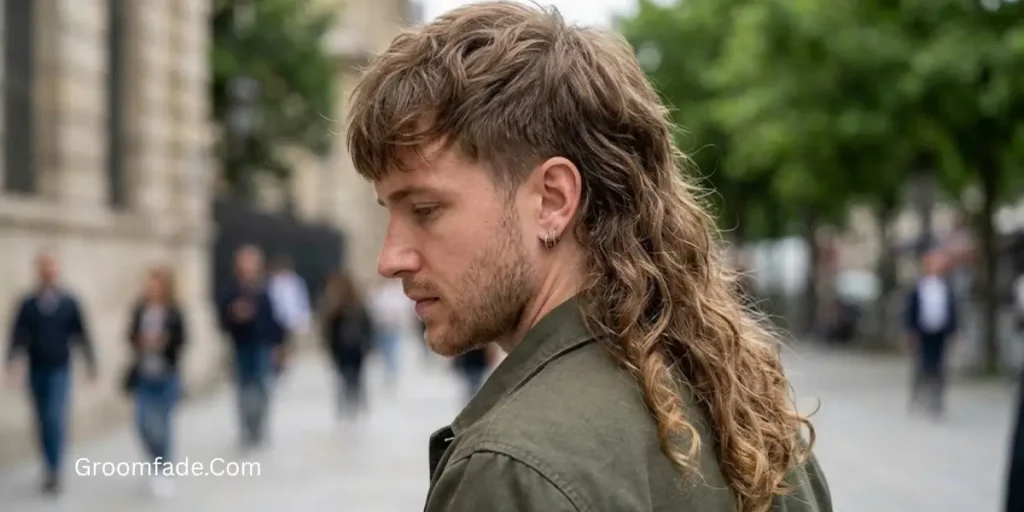
A long mullet hairstyle keeps the hair shorter or more controlled around the front and sides while leaving much more length through the back and nape. The extra length gives the haircut a strong shape, but it also leaves room for many different looks.
A long mullet can be clean and modern, messy and textured, soft and layered, or bold with a fade or undercut. Straight, wavy, and curly hair can all work with this cut when the layers match the natural texture.
The key is not just growing the back as long as possible. The front, crown, sides, and back need to work together. A good cut gives the longer hair a clear shape instead of making it look like the back was simply left untrimmed.
This guide covers long mullet haircuts, different textures, fade and taper options, styling methods, maintenance, and how to explain the cut to a barber.
What Is a Long Mullet Hairstyle?
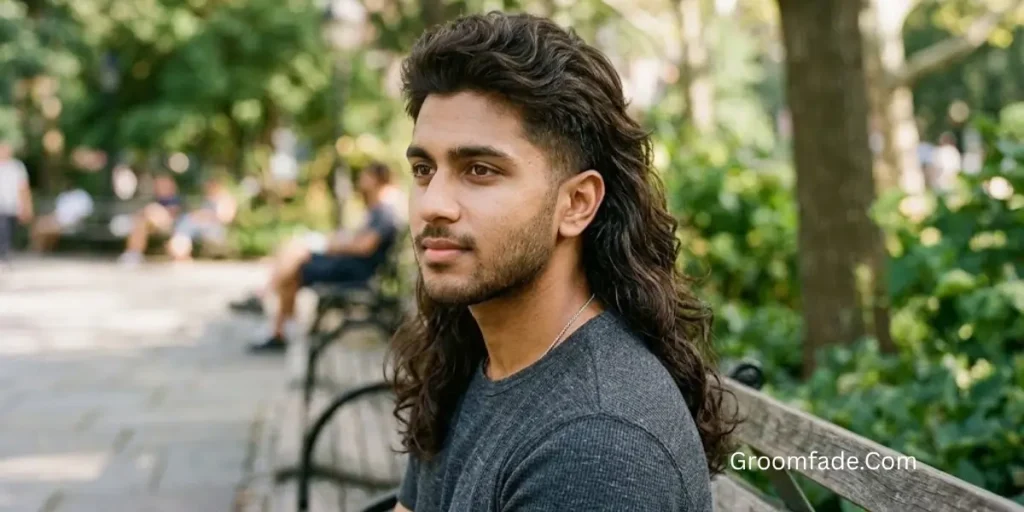
A long mullet is a haircut where the back and nape are kept noticeably longer than the front and sides. The top can be short, medium, or fairly long, depending on the style.
The classic idea is simple: shorter hair toward the front and sides with longer hair at the back. Modern versions can be much softer. A stylist may use layers, a taper, a fade, or texture to connect the different areas.
The amount of contrast is one of the biggest choices.
A strong contrast gives the haircut a bold look. A softer transition makes the style easier to wear in everyday settings.
The back can also vary in length. Some people keep the tail just below the neck, while others grow it toward the shoulders or beyond.
For a stronger retro shape, the 80s Mullet Haircut keeps extra length at the back with fuller layers that give the style a bold vintage feel.
How Long Should a Long Mullet Be?
There is no single length that defines a long mullet.
For some people, the back may reach the base of the neck. For others, it may reach the shoulders. The right length depends on the person’s starting hair length, texture, and preferred shape.
The top and sides also matter. If the back becomes very long while the top stays very short, the contrast becomes stronger. If the top and crown are layered into the back, the haircut can look fuller and more connected.
For curly hair, the visible length may also appear shorter because curls shrink when they dry.
Long Mullet vs. Traditional Mullet
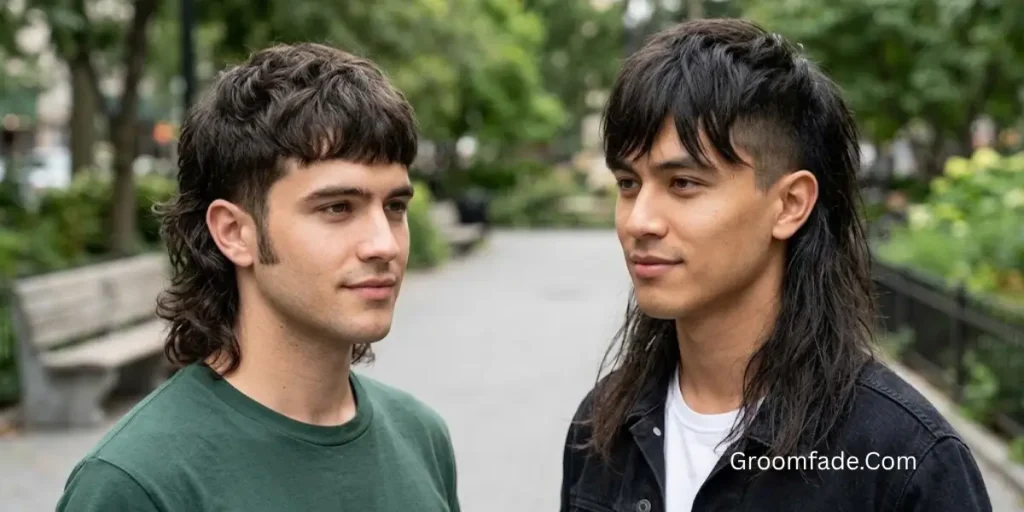
A traditional mullet usually has a clear difference between the shorter front and sides and the longer back.
A modern long mullet can keep the same basic idea while using softer layers and more texture. The sides may be tapered instead of heavily shaved, and the top can have more length.
A long mullet haircut also gives you more room to change the shape over time. You can keep the back long while adjusting the sides, fringe, or top during regular trims.
Long Mullet Haircut Styles
There are many ways to shape a long mullet. The best choice depends on how much contrast you want and how your hair naturally sits.
Classic Long Mullet
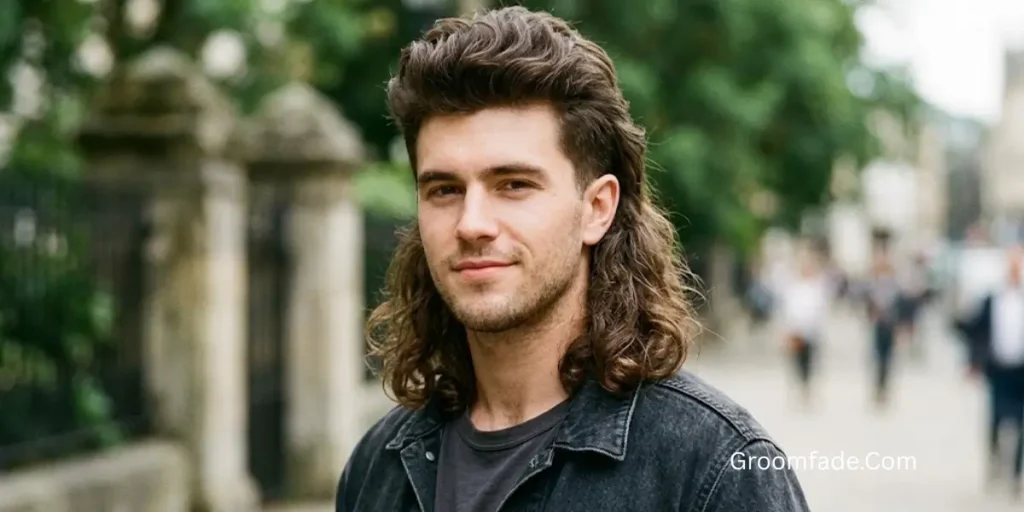
A classic long mullet keeps the main focus on the difference between the shorter front and sides and the longer back.
The back is usually allowed to grow freely while the sides remain controlled. The result has a clear retro influence without requiring the same exact shape used in older versions of the haircut.
This option works well for people who want the longer back to be the main feature.
Long Modern Mullet
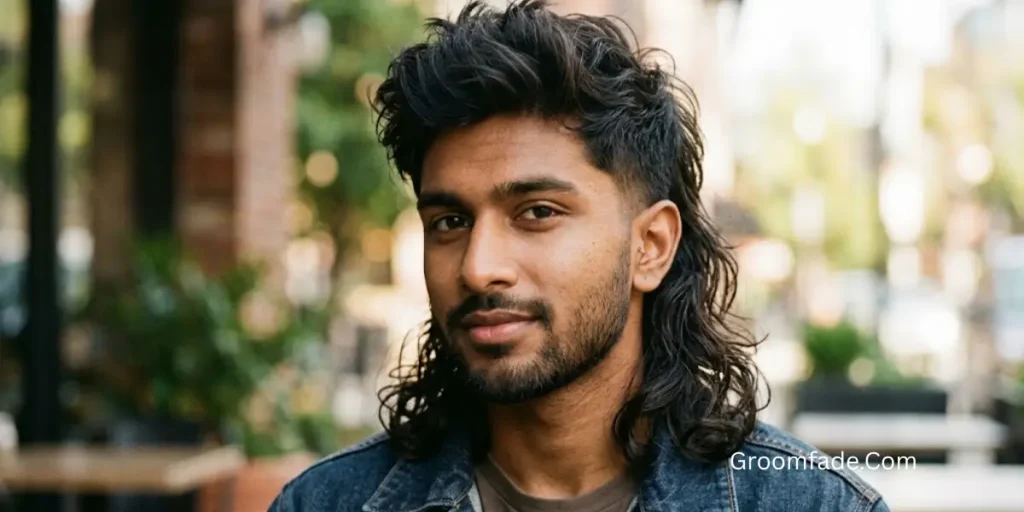
A long modern mullet usually has more blending, texture, and layering than a classic version.
The sides do not always need to be very short. A stylist can leave more hair around the temples and use scissors to create a softer transition into the longer back.
The top may also be layered so it flows into the crown and nape.
This creates a modern long mullet that feels more natural and less rigid.
Long Mullet With Fade
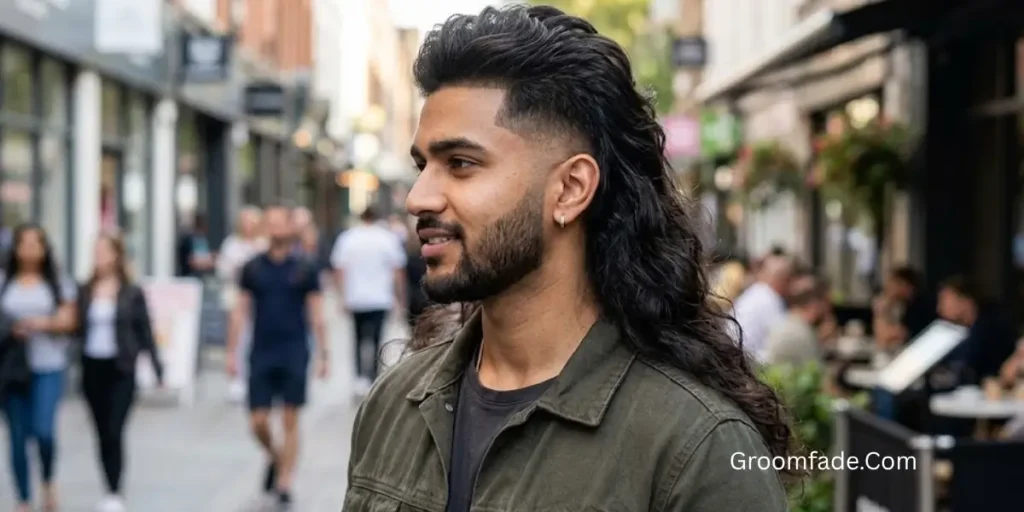
A long mullet fade combines short faded sides with a longer top, crown, and back.
The fade can start low around the sideburns or move higher depending on the desired contrast. Keeping the back long is important because the length is what gives the haircut its mullet shape.
A low fade usually creates a softer side profile. A higher fade creates a stronger difference between the short sides and long back.
Long Mullet With Undercut
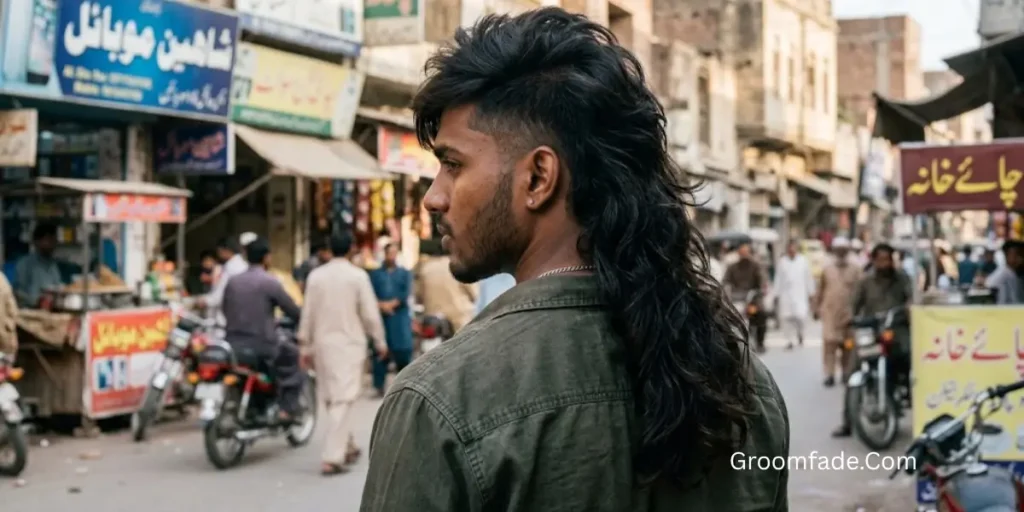
An undercut creates a stronger separation between the upper hair and the sides.
The sides can be cut very short while the hair above remains much longer. The long back then becomes the main part of the haircut.
This style suits people who want a noticeable contrast. It also requires regular side maintenance if you want the undercut to stay sharp.
Layered Long Mullet
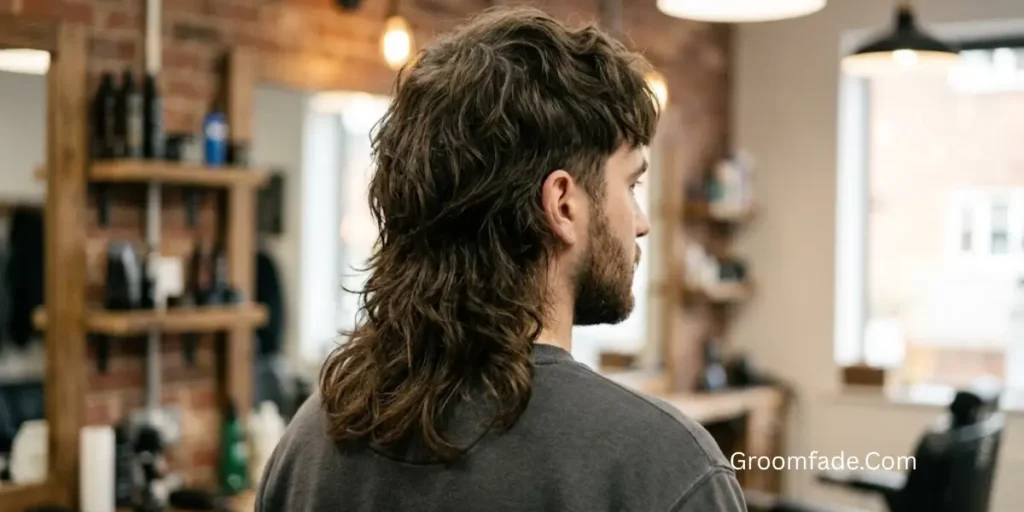
Layers can make a long mullet feel lighter and easier to shape.
Instead of leaving the back as one solid block of hair, the stylist can use different lengths to create movement. This can be especially useful for thick hair.
Layering also helps the top connect with the longer back. The result can have more natural flow instead of a sudden change in length.
Long Mullet With Fringe
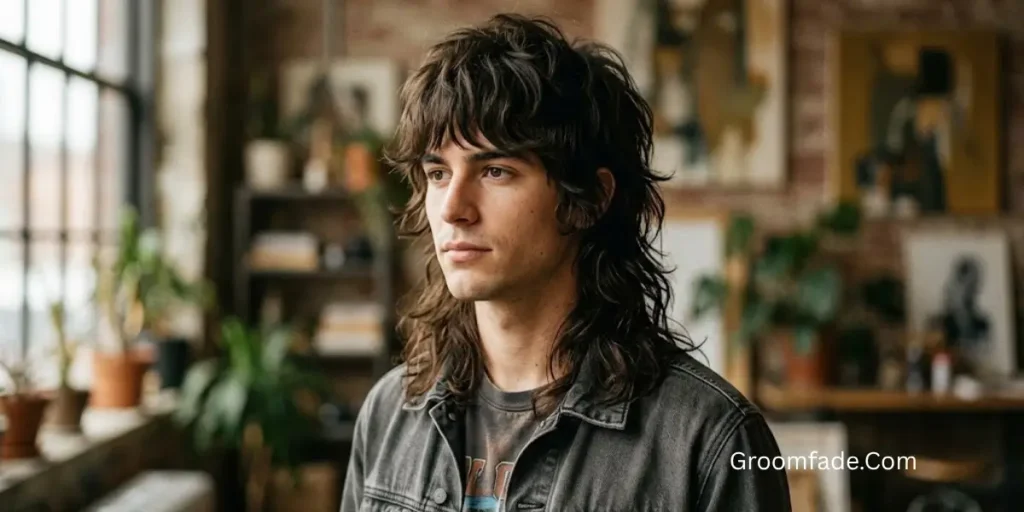
A fringe changes the appearance of the front while the back remains long.
You can use a short textured fringe for a stronger contrast or a longer fringe for a softer appearance. Curtain-style bangs can also work when the front is long enough to part.
The right fringe depends on hair texture and how much daily styling you want to do.
Long Mullet With Side Part
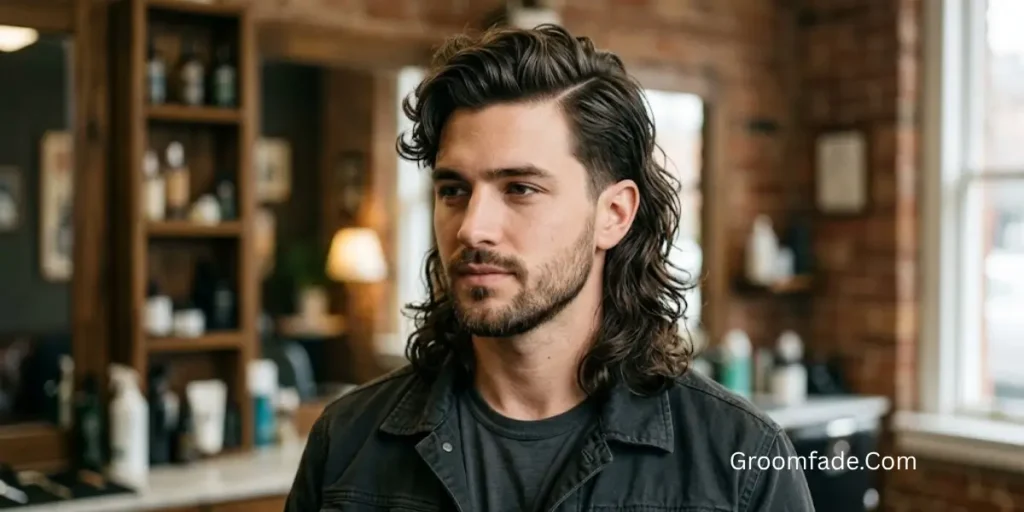
A side part gives the front a more structured appearance.
The longer back keeps the haircut casual, while the side part gives the front more direction. This can work particularly well with straight or slightly wavy hair.
A stylist can adjust the part based on your natural growth pattern rather than forcing the hair into an uncomfortable position.
A softer option is the Shag Mullet, where layered lengths create movement and texture while keeping the longer back that defines a mullet.
Long Mullet With Middle Part
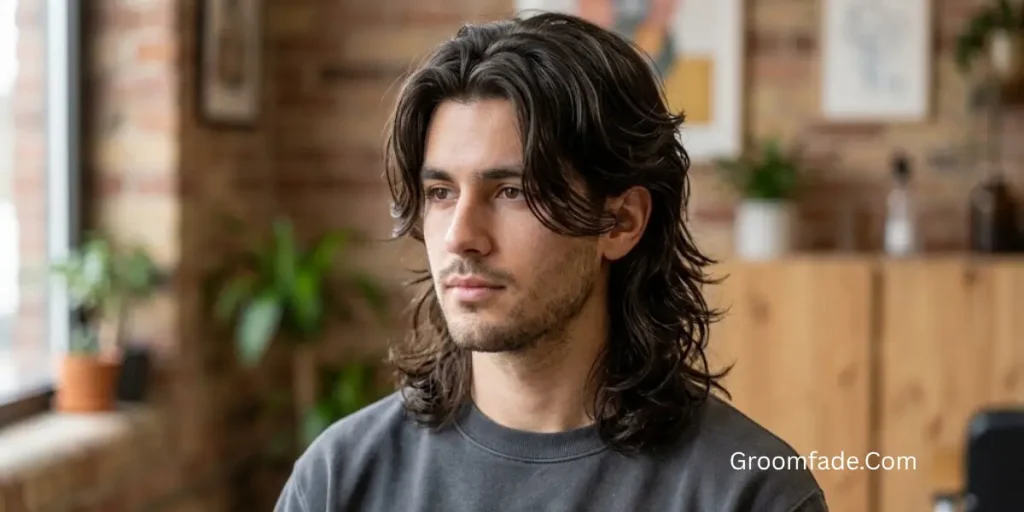
A middle part creates a center opening at the front while the back remains long.
This can give a long hair mullet a softer shape. The front can be layered around the face, while the crown and back keep enough length to form the mullet structure.
For wavy hair, the natural movement can make the center part look less rigid.
Long Mullet With Taper
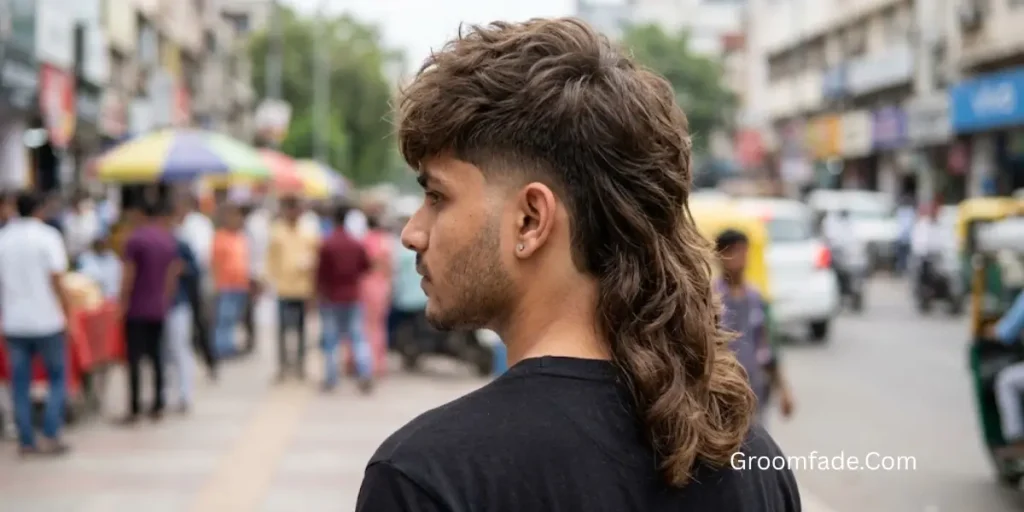
A taper is a softer alternative to a strong fade.
The hair gradually becomes shorter around the sideburns and neckline without removing as much hair from the sides. This allows more of the natural shape to remain visible.
A tapered long mullet can be a useful choice when you want the haircut to look clean without making the sides extremely short.
Burst Fade Long Mullet
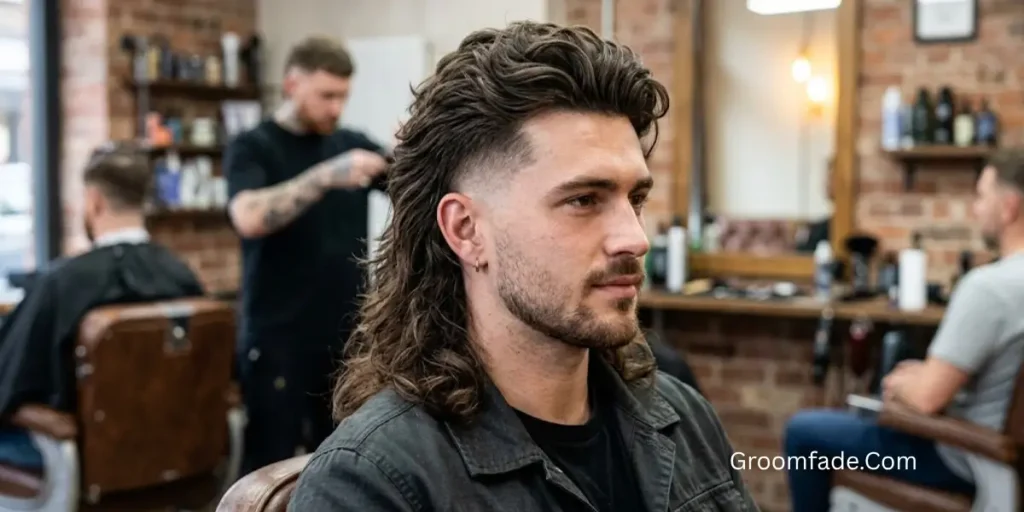
A burst fade long mullet uses a curved fade around the ear while leaving length through the back.
The curved shape creates a clear side profile. It is often paired with a longer top and back so the haircut keeps its mullet structure.
This option works well when you want a fade that follows the shape of the ear rather than running evenly around the entire head.
Long Mullet With Beard
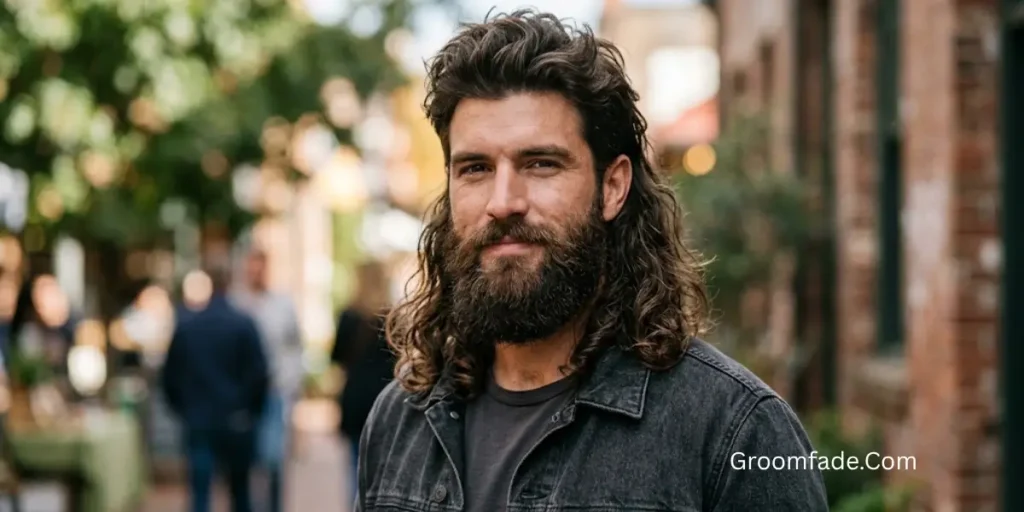
A beard can add more weight to the lower part of the face while the long back adds length behind the head.
The beard does not need to be very large. A short beard or controlled stubble can also work.
The main goal is balance. If both the hair and beard are very full, regular shaping can keep the overall look from becoming too heavy.
Long Mullet Hairstyles for Different Hair Types
Hair texture has a major effect on how a long mullet looks.
The same haircut can appear very different on straight, wavy, and curly hair because each texture responds differently to layers and length.
Long Straight Hair Mullet
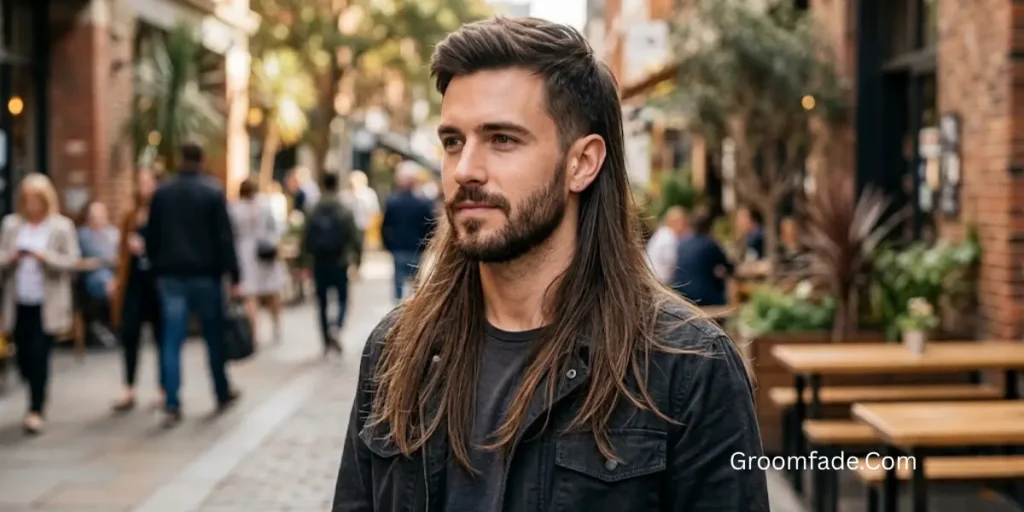
Straight hair shows the haircut’s layers and length clearly.
A long straight mullet can have a clean silhouette, a textured finish, or a slicked-back style. Layers are useful when the hair is thick because they prevent the back from looking too heavy.
For fine straight hair, too many layers can make the ends look thin. In that case, keeping some weight through the back may create a fuller appearance.
For something less traditional, the Reverse Mullet changes the usual length pattern, creating a different balance between the front, sides, and back.
Long Wavy Mullet
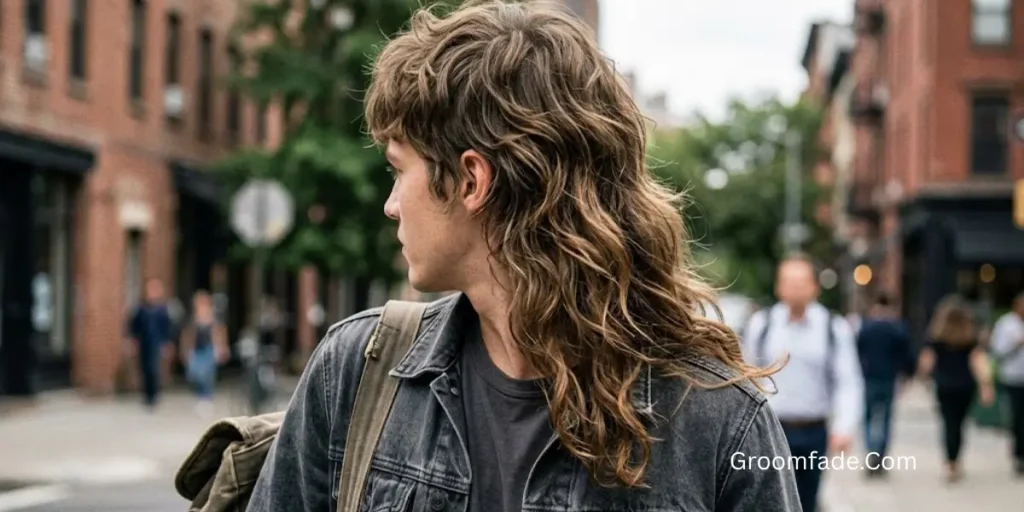
Wavy hair naturally adds movement to a long mullet hairstyle.
The waves can soften the transition between the top and back. A stylist should consider the natural wave pattern before cutting because removing too much weight can change how the hair sits.
A light styling cream can help control frizz while keeping the natural wave visible.
Long Curly Mullet
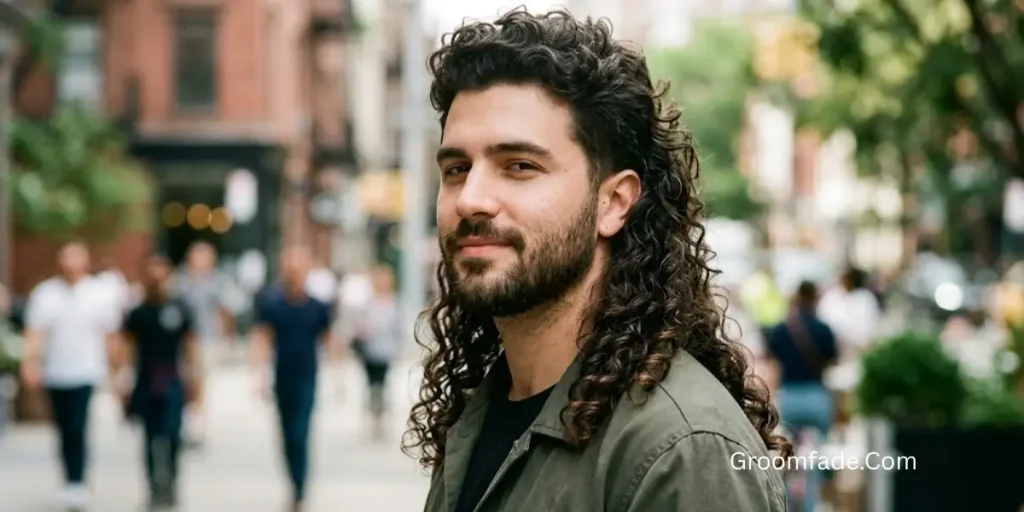
A long curly mullet needs to be shaped around the curl pattern rather than treated like straight hair.
Curly hair can shrink when dry, so the apparent length may be much shorter than the wet length. A stylist should account for this when deciding how much to cut.
Layers can give curls room to form. However, removing too much hair from the wrong area can create unwanted volume.
Long Curly Mullet for Men
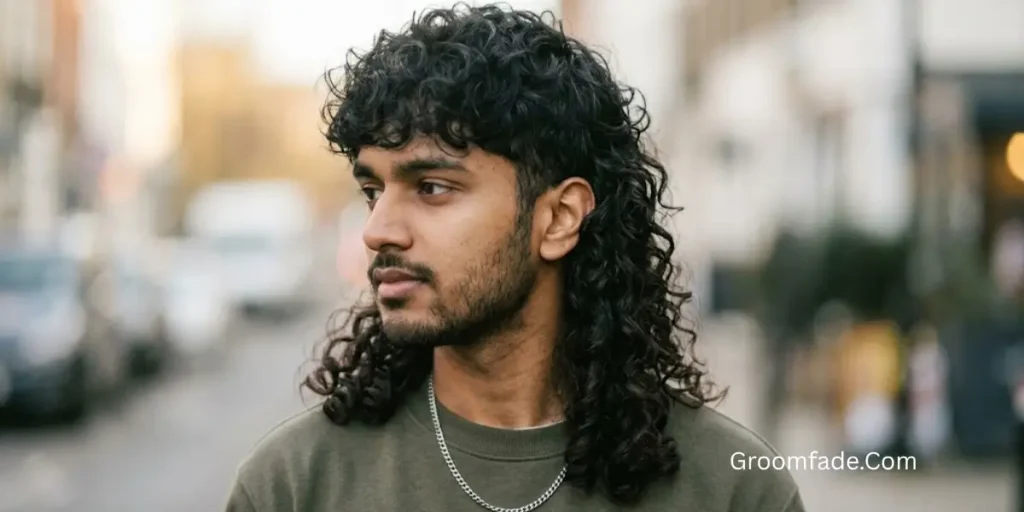
A long curly mullet men style can range from a natural curly shape to a more defined fade-and-curl combination.
The sides can be tapered or faded while the top and back remain longer. Another option is to keep more hair around the sides for a softer, fuller appearance.
The important part is preserving enough length for the curls to keep their natural shape.
Long Thick Hair Mullet
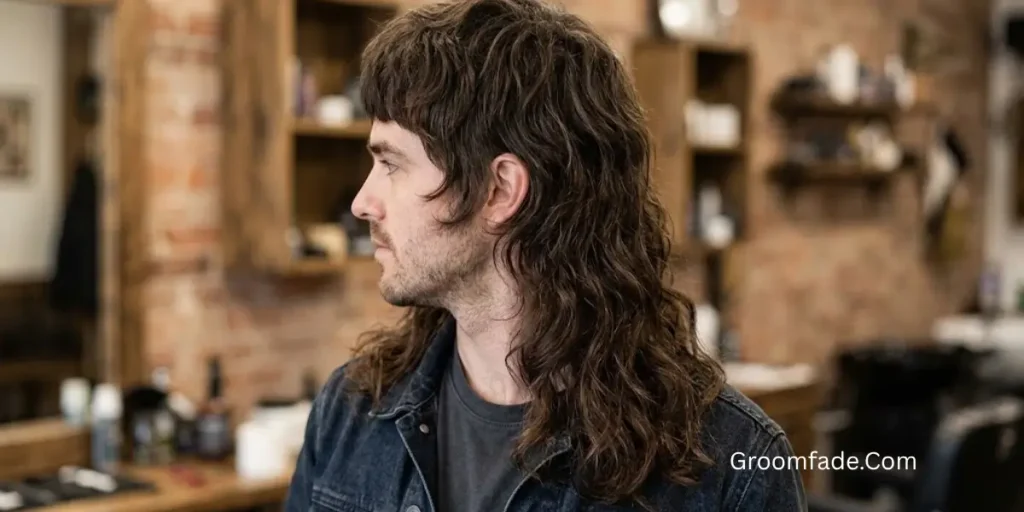
Thick hair can give a long mullet plenty of volume.
The challenge is controlling excess weight. Strategic layers can make the back easier to manage without making the ends look too thin.
A stylist should remove weight with a clear purpose rather than thinning every section equally.
Long Fine Hair Mullet
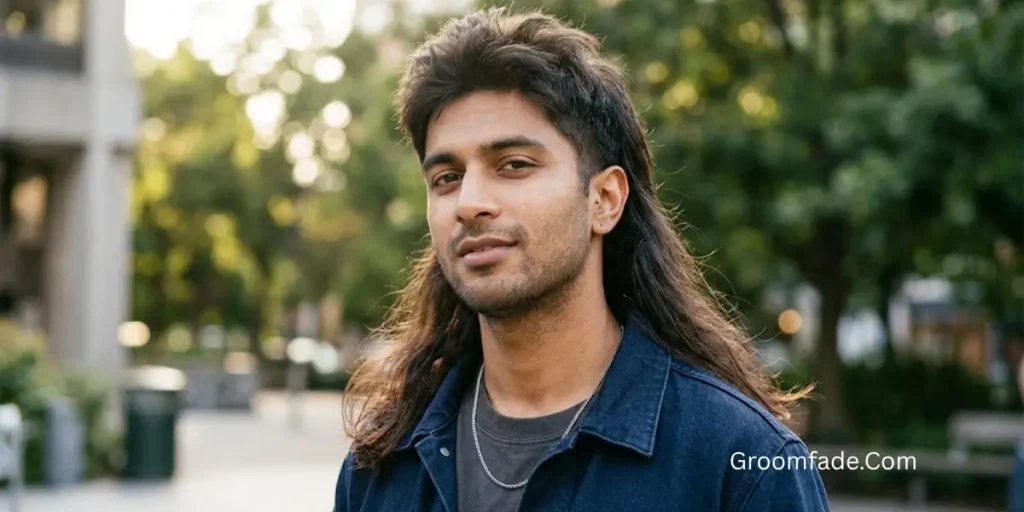
Fine hair can still work with a long mullet, but the cut should avoid making the ends look too sparse.
Keeping some fullness through the back can help. Light texture at the top may add movement without taking away too much density.
Heavy products can flatten fine hair, so lightweight styling products are often easier to manage.
Long Mullet Hairstyles for Men
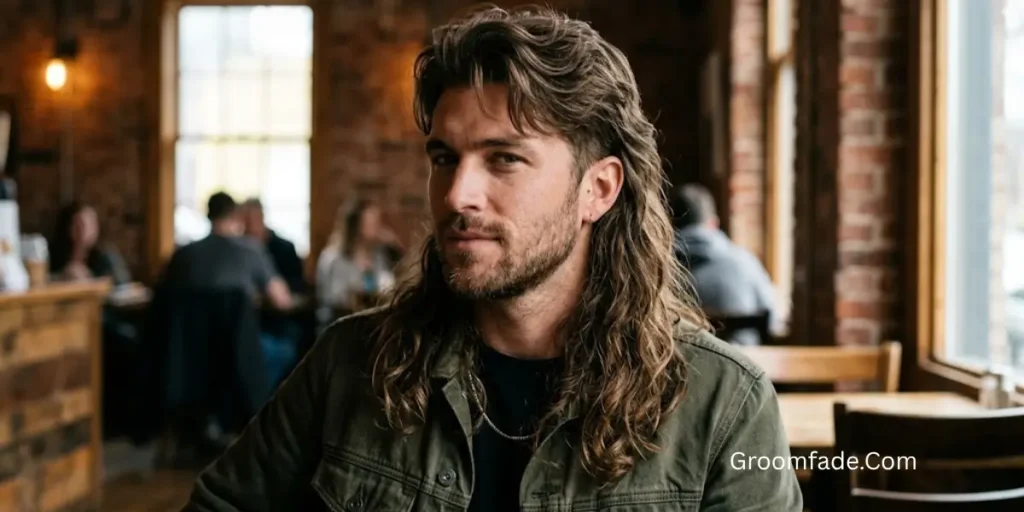
A long mullet men style can be adapted to many personal styles.
Some men prefer a clean taper, while others want a strong fade or an undercut. The front can also range from short and textured to long and parted.
Long Mullet Men With Straight Hair
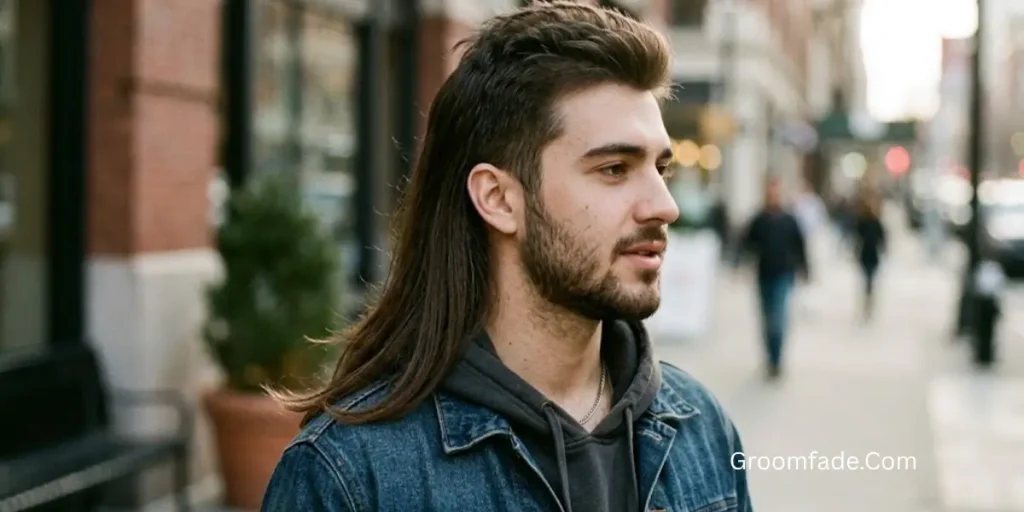
Straight hair makes the length and layering easy to see.
A clean side part, textured top, or slicked-back finish can change the appearance without changing the main haircut.
Long Hair Mullet Men With Wavy Hair
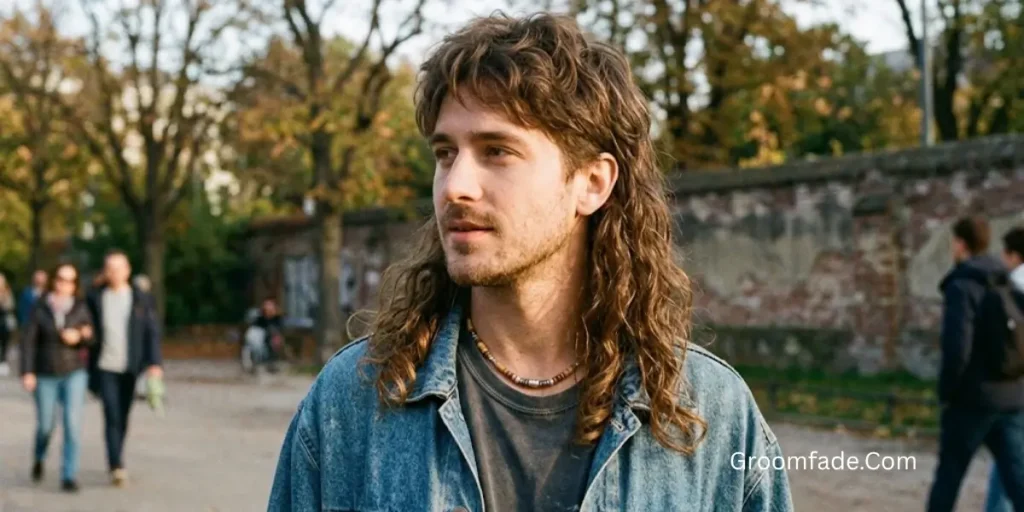
Wavy hair gives the back natural movement.
The sides can remain fuller for a relaxed style or be tapered for more contrast.
Long Mullet Men With Curly Hair
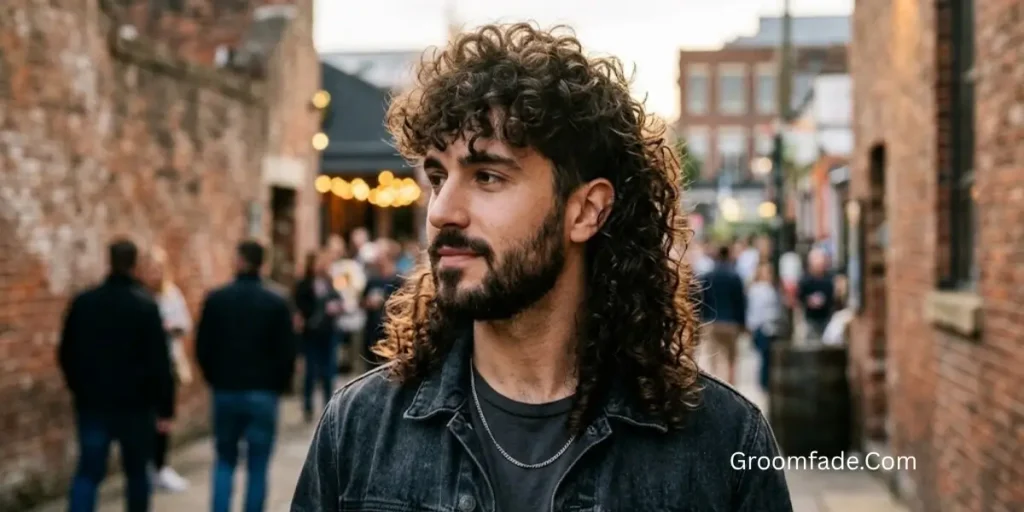
Curly hair gives the haircut a fuller and more rounded appearance.
A longer curly back can create strong movement, while a taper or fade can make the sides cleaner.
Modern Long Mullet for Men
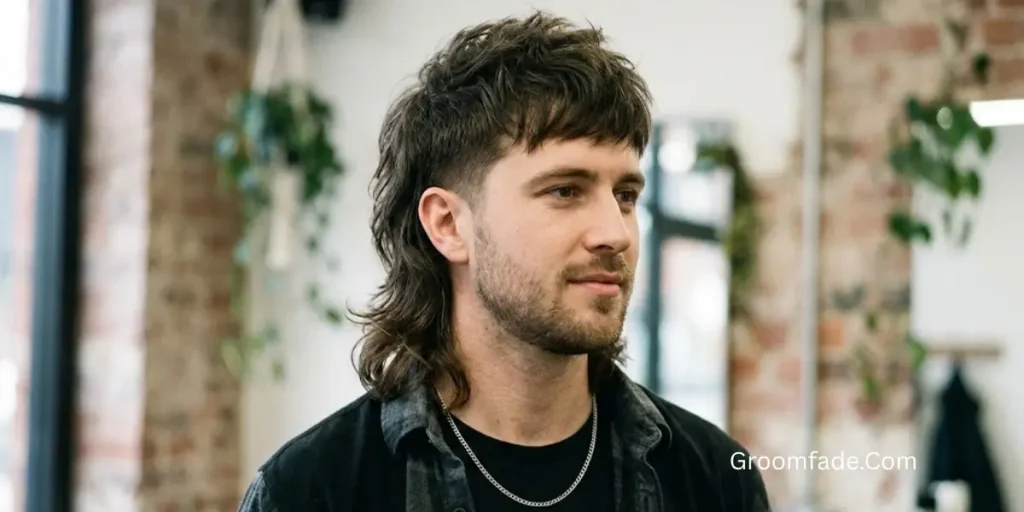
A modern version can combine long layers with a taper, low fade, textured fringe, or natural waves.
The goal is to shape the long back so it feels connected to the rest of the haircut.
Long Mullet Haircut Men With Fade
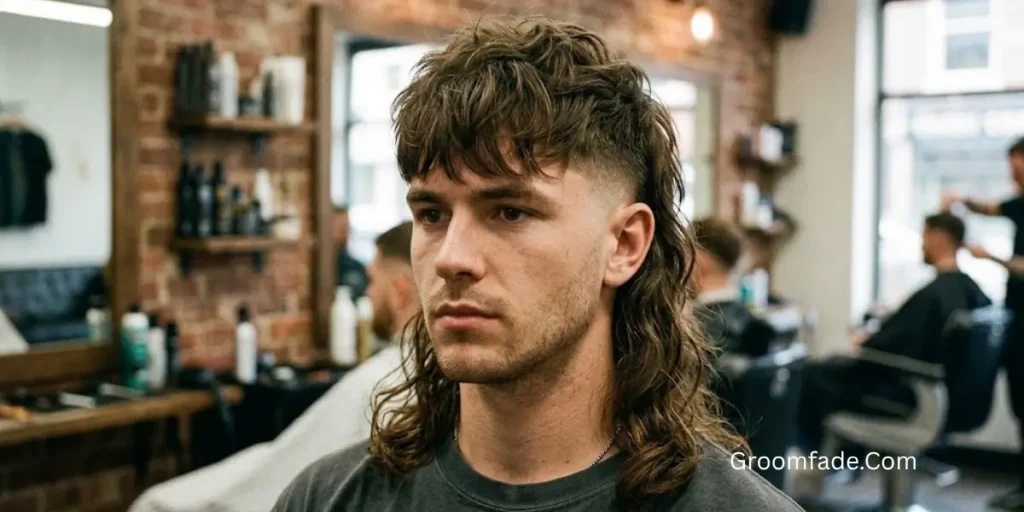
A fade gives the sides a cleaner appearance while the back keeps its length.
The fade level should be chosen based on how much contrast you want. A low fade keeps more hair around the upper sides, while a higher fade makes the long back stand out more.
Long Mullet Haircut Men With Beard
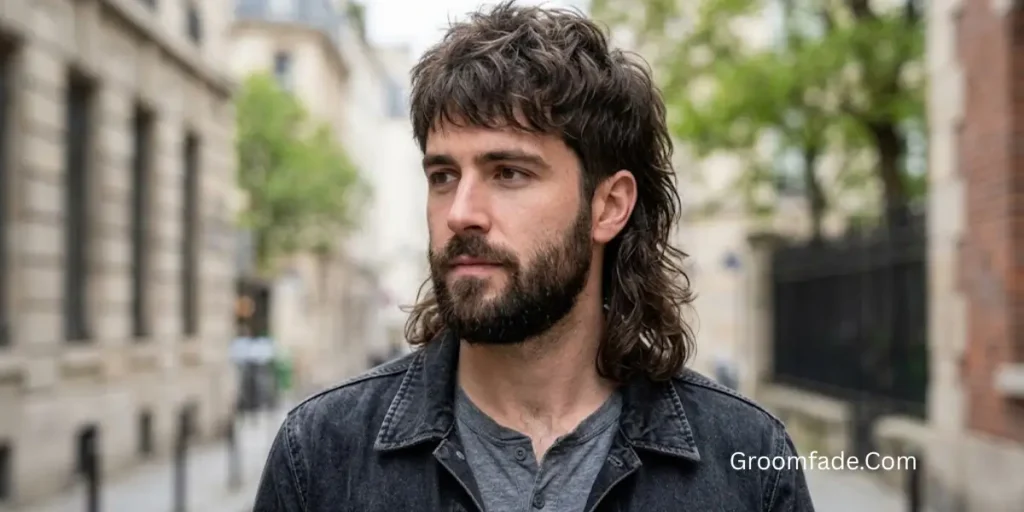
A beard can make the overall appearance more rugged, but it is not required.
The beard length should work with the haircut’s volume. A shorter beard can create a cleaner balance when the hair has a very long or full back.
Long Mullet Hairstyles for Women
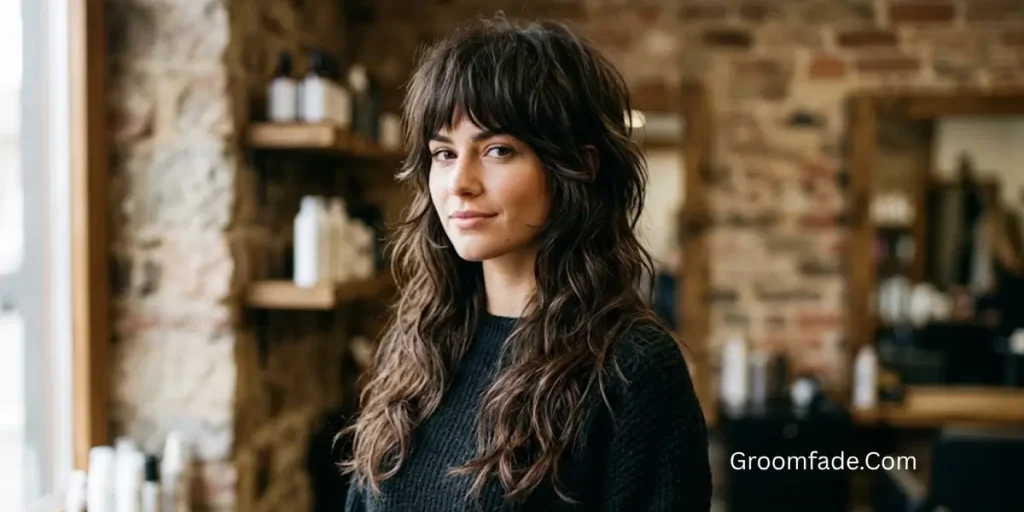
A long mullet woman style can use the same basic haircut structure while changing the layers, fringe, and overall softness.
Some versions have strong short-to-long contrast. Others use long layers that create a softer shag-like shape.
Long Mullet Woman With Layers
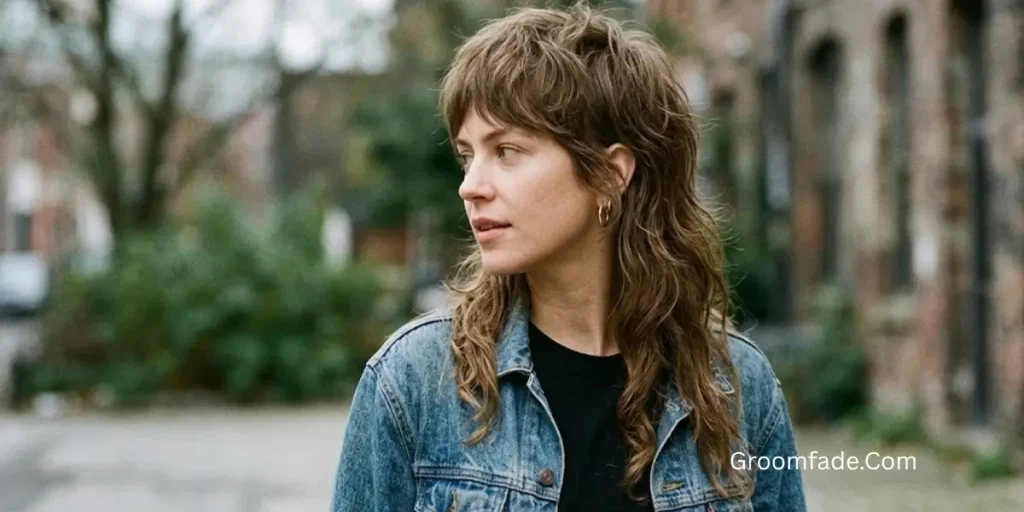
Long layers can create movement without making the sides extremely short.
This approach works well for people who want the shape of a mullet but prefer a softer transition.
Long Mullet Woman With Curtain Bangs

Curtain bangs can frame the face while the longer back keeps the mullet shape.
The bangs can be short or long depending on the desired appearance. They can also be blended into the top layers for a more connected style.
The Asian Mullet Hairstyle often uses softer layers and controlled texture, making it a flexible choice for straight, wavy, or naturally textured hair.
Long Mullet Haircut Woman With Curly Hair
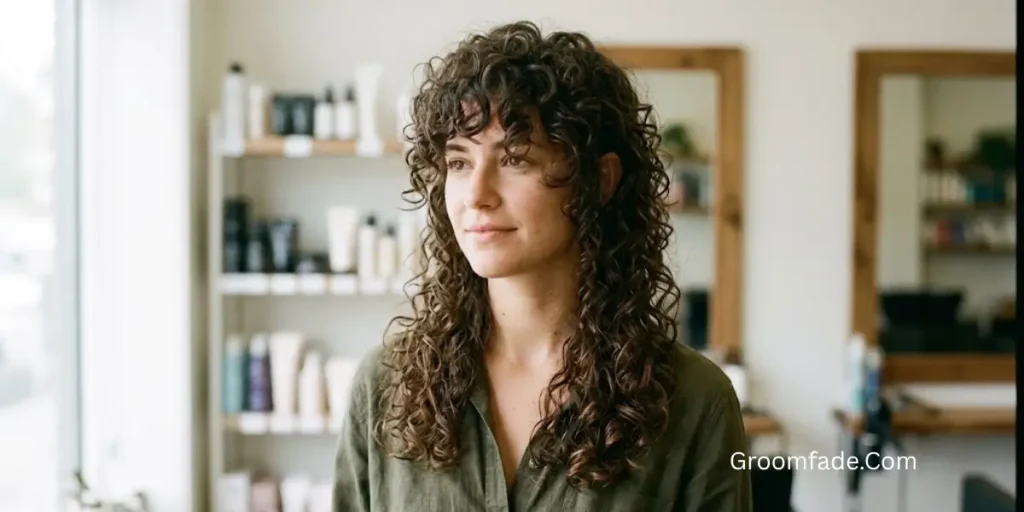
Curly hair can make a long mullet look fuller and more textured.
The cut should follow the curl pattern. A stylist may leave more length in some areas to account for curl shrinkage.
Modern Long Mullet for Women
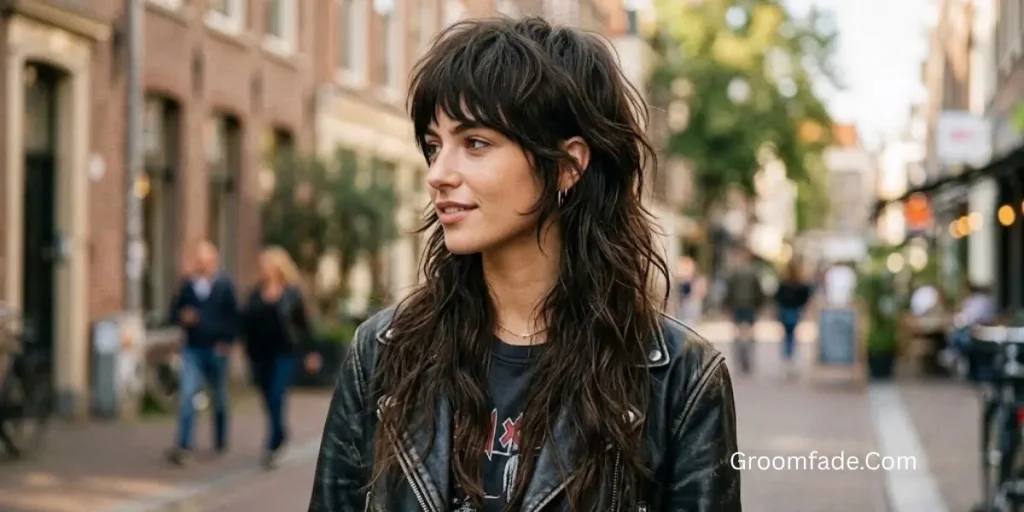
A modern version can be soft, layered, textured, or more dramatic.
There is no need to use one fixed shape. The length of the fringe, sides, crown, and back can all be adjusted.
How to Choose the Right Long Mullet Cut
Choosing a long mullet cut starts with the amount of length you want to keep.
Choose the Right Length
If you want a noticeable mullet shape without waiting for very long hair, keep the back around the neck.
For a stronger long-hair appearance, allow the back to grow toward the shoulders.
Very long hair creates a different silhouette and may need more layers to prevent the back from becoming too heavy.
Choose the Right Side Shape
The sides can change the whole haircut.
A natural side keeps more fullness. A taper gives a cleaner finish without removing too much hair. A fade creates stronger contrast. An undercut creates the most obvious separation.
Think about how much side maintenance you are willing to handle before choosing.
Choose Based on Hair Texture
Straight hair shows the exact shape of the layers.
Wavy hair adds movement.
Curly hair creates more volume and needs to be cut around the curl pattern.
Thick hair may need weight control, while fine hair often benefits from keeping enough fullness.
Consider Your Face Shape
Face shape can be useful when deciding where to place volume, but it should not be treated as a strict rule.
A longer fringe can change the appearance of the forehead. Side volume can affect how wide the face looks. The height and length of the back can also change the overall profile.
Your natural hair texture and the shape you actually want are usually more useful starting points than following a fixed face-shape formula.
For a more dramatic shape, the Mohawk Mullet puts more focus on the center section while keeping the longer back of the classic mullet.
How to Ask Your Barber for a Long Mullet Haircut
A clear description can help your barber understand what you want.
You can say:
“I want to keep the back long and noticeable, with enough length for layers and movement. Keep the top connected to the back, and use a taper or fade on the sides. I want the front to stay long enough for the style I am showing you.”
Then show your barber a reference photo.
It is also useful to explain what you do not want. For example, tell the barber if you do not want the back shortened, the sides shaved too high, or the top heavily thinned.
What to Show Your Barber
Bring photos that show:
- The front
- The side
- The back
- The desired back length
- The type of fade or taper
- The amount of texture you want
A back view is especially useful because the length and shape of the nape are central to a long mullet.
Common Mistakes to Avoid
One common mistake is asking for a long mullet without explaining the desired length.
Another is showing only a front photo. The front may look good while the back has a completely different shape.
Cutting too much from curly hair can also create a result that is shorter than expected once the curls dry.
It is also easy to make the sides too short. If you want a softer modern look, explain that before the clippers come out.
How to Grow a Long Mullet
Growing a long mullet takes time because the back needs enough length to create the right shape.
How to Grow a Long Mullet
Start by deciding how long you want the back to become.
During the growing stage, you can still trim the sides, sideburns, and neckline. This keeps the haircut looking intentional while the back gains length.
Avoid repeatedly cutting the back short if your goal is a longer tail.
Regular conditioning can also help keep the longer ends easier to manage. If the ends become very dry or damaged, a small trim may improve the appearance without changing the overall length too much.
How Long Does It Take to Grow a Long Mullet?
Hair growth differs from person to person.
If your hair is already medium length, you may need less time than someone starting with a short haircut. The desired back length also makes a major difference.
There is no exact number of weeks that works for everyone. The best approach is to track the length over time and make small shape adjustments when needed.
How to Style a Long Mullet Hairstyle
Styling depends on your hair texture and the finish you want.
A middle part changes how the front frames the face. The Middle Part Mullet combines that center separation with longer layers at the back for a balanced, modern shape.
Messy Long Mullet

A messy finish works well when you want the layers to look relaxed.
Apply a small amount of lightweight styling product and use your fingers to separate the hair. Avoid using too much product because it can make longer hair heavy.
Slicked-Back Long Mullet
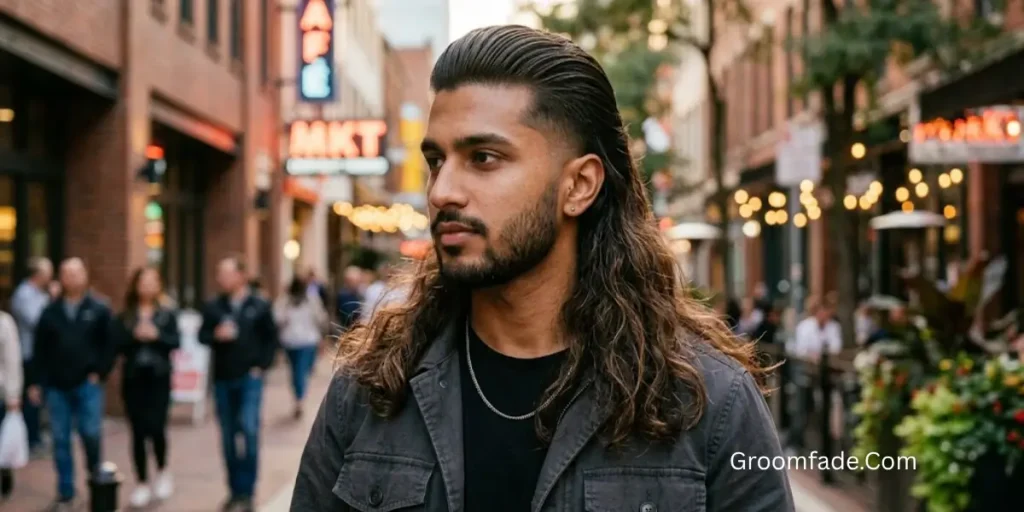
A slicked-back style gives the top a cleaner appearance while the longer back remains visible.
Blow-dry the top backward and use a small amount of pomade or styling cream. The product should provide enough control without making the hair look stiff.
Textured Long Mullet
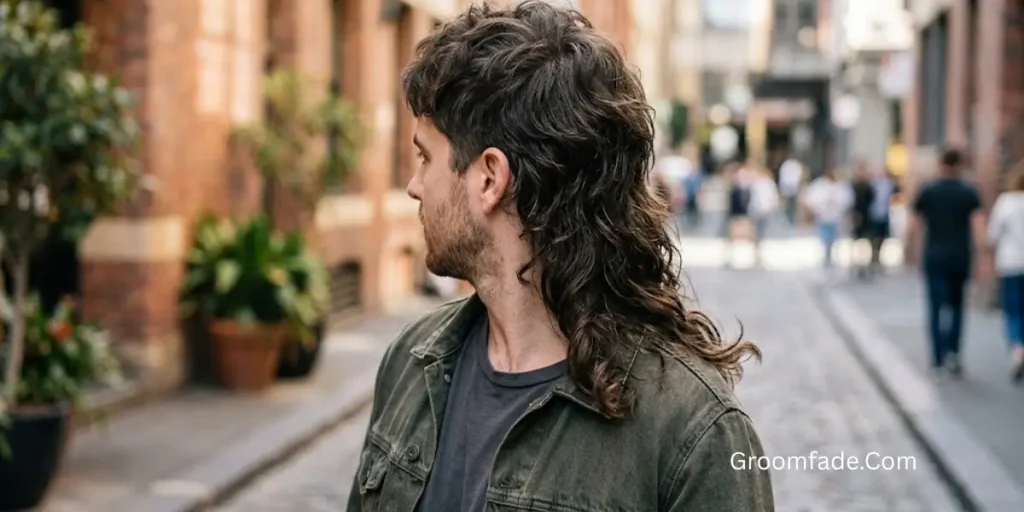
Texture can make layers more visible.
A sea salt spray can add light texture to suitable hair types. Matte styling products can also create separation.
Apply products gradually. It is easier to add more than to remove excess product from long hair.
Long Curly Mullet Styling
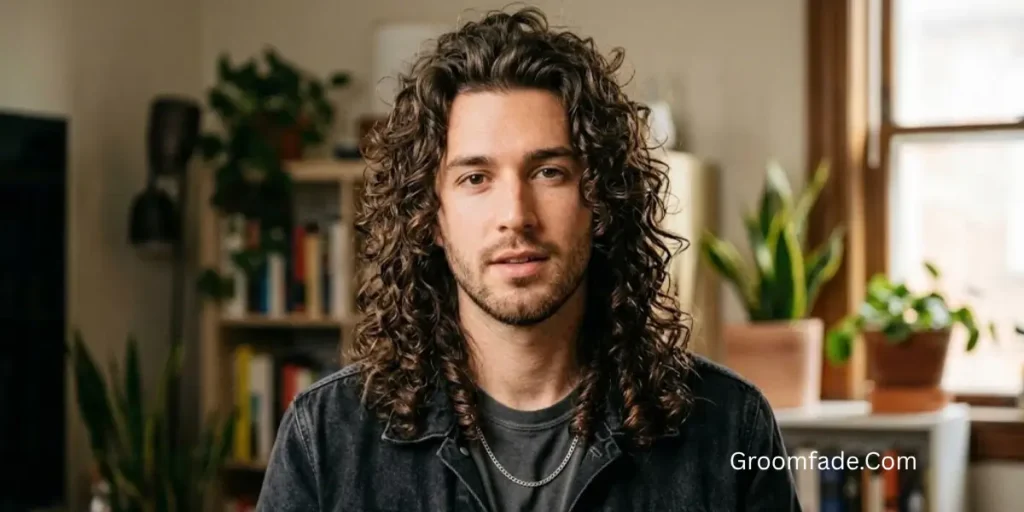
For curly hair, use products that support the natural curl pattern.
A curl cream can help with definition, while a diffuser can dry the hair without flattening the curls as much as rough towel drying.
Avoid brushing dry curls if you want to preserve their natural shape.
Flowy Long Mullet
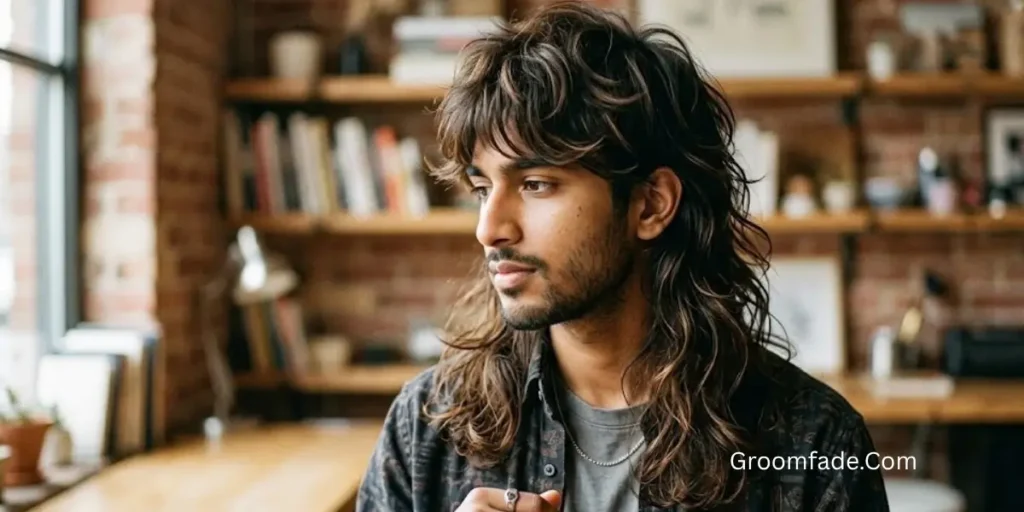
A flowy style keeps the hair loose and allows the longer sections to move naturally.
This works particularly well with medium-to-long wavy hair. A light styling cream can help control stray hairs without making the hair stiff.
How to Maintain a Long Mullet Haircut
A long mullet does not mean every section should be left untouched.
How Often Should You Trim a Long Mullet?
The sides, sideburns, and neckline usually need attention sooner than the long back.
If you want a fade or taper, those areas may need regular cleanup. If you are growing the back, tell your barber to preserve the length.
The exact trimming schedule depends on how quickly your hair grows and how clean you want the haircut to look.
Hair Care for Long Mullet Styles
Longer hair needs attention because the ends have been exposed to more friction and environmental stress over time.
Use conditioner on the longer sections and avoid rough handling when the hair is wet.
If your hair is curly or wavy, keeping enough moisture in the hair can also help reduce unwanted frizz.
How to Keep a Long Mullet From Looking Flat
Flat hair can make a long mullet lose some of its shape.
Layering can create movement, while a suitable styling product can add root or surface texture.
Fine hair usually responds better to lighter products. Thick hair may handle a stronger styling cream or matte product.
The goal is to support the haircut rather than cover it with too much product.
Long Mullet vs. Wolf Cut
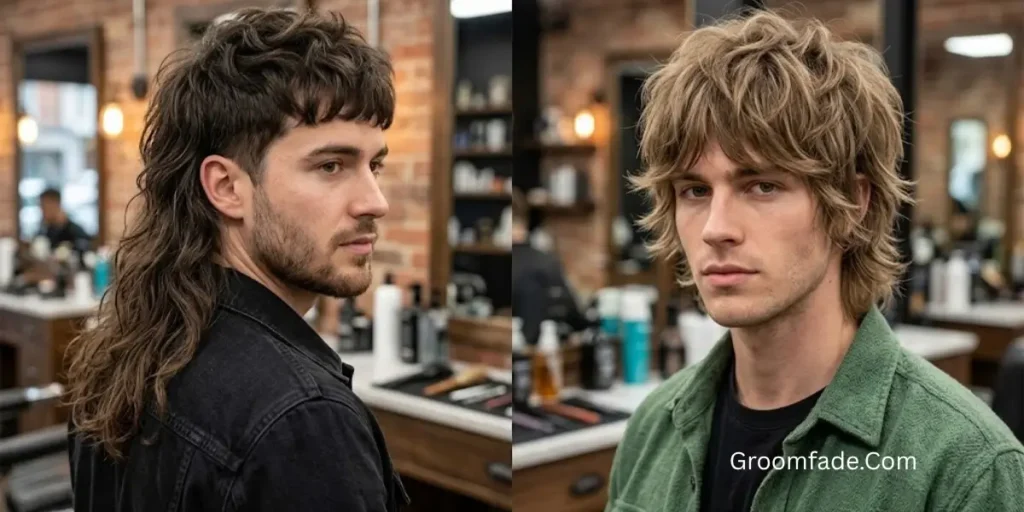
A long mullet and a wolf cut can look similar because both can use layers and texture.
The main difference is where the length and shape are emphasized.
A mullet normally keeps a clear focus on the longer back and nape. A wolf cut often spreads its layers and volume more evenly around the head.
Some modern haircuts sit between the two. A layered long mullet can have the soft texture associated with a wolf cut while still keeping a clearly longer back.
Is a Long Mullet Still in Style in 2026?
The long mullet hairstyle continues to have many styling options in 2026, especially because the cut can be changed to suit different hair textures and personal preferences.
Modern versions do not have to copy one fixed retro shape.
A person can choose a low taper, fade, undercut, natural sides, curly layers, a middle part, or a textured fringe while keeping the longer back that defines the haircut.
This flexibility is one reason the style can look very different from one person to another.
“`html “`FAQs About Long Mullet Hairstyles
Q1. What is a long mullet hairstyle?
A long mullet hairstyle has shorter or more controlled hair toward the front and sides with noticeably longer hair through the back and nape. The length and contrast can vary widely.
Q2. How long should a long mullet be?
There is no required length. The back can sit around the neck, reach the shoulders, or grow longer. The important part is that the back remains noticeably longer than the areas used to create contrast.
Q3. How do you grow a long mullet?
Keep the back growing while trimming the sides and neckline as needed. Avoid repeatedly cutting the back short, and use regular conditioning to keep the longer ends manageable.
Q4. Is a long mullet good for curly hair?
Yes. Curly hair can work very well with a long mullet when the layers are shaped around the natural curl pattern. The stylist should also account for shrinkage.
Q5. Can women wear a long mullet?
Yes. A long mullet can be adapted for women with different textures and lengths. Softer layers, curtain bangs, and a less dramatic side shape can create a more relaxed version.
Q6. What is a long mullet fade?
A long mullet fade keeps the back long while the sides gradually become shorter. The fade can be low, medium, or higher depending on the amount of contrast wanted.
Q7. What is the difference between a long mullet and a wolf cut?
A long mullet places more emphasis on the longer back and nape. A wolf cut generally uses more widespread layers and volume around the head.
Q8. Can you get a long mullet with a taper?
Yes. A taper is one of the softer ways to clean up the sides and neckline while keeping more hair around the head.
Q9. How often should you trim a long mullet?
The sides and neckline can be cleaned up whenever they become untidy. If you are growing the back, ask your barber to preserve its length during trims.
Q10. How do you style a long mullet?
The style depends on your texture. Straight hair can be slicked back or textured, wavy hair can be left natural, and curly hair can be shaped with curl products and a diffuser.