
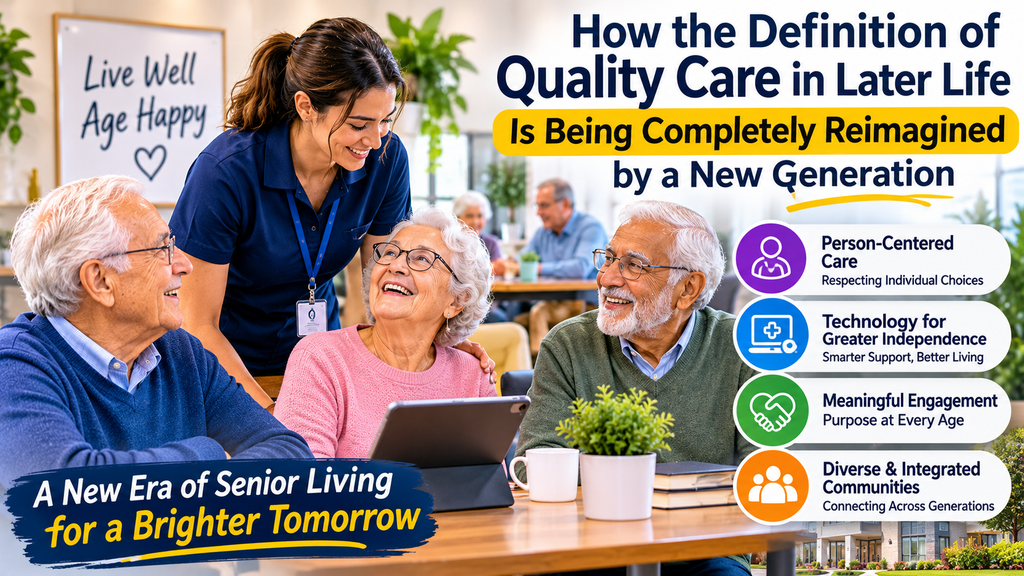
For decades, the answer to what quality care means in later life centered on medical oversight and basic daily support. Today, a fundamental shift is underway. Younger professionals entering the senior living field are challenging traditional assumptions about what matters most to older adults. They are asking different questions about independence, choice, and personal fulfillment. This generational change is reshaping how communities approach care, design spaces, and interact with residents.
Person-Centered Approaches Are Replacing One-Size-Fits-All Models
The older approach to care in senior living communities often emphasized standardized routines and centralized decision-making. Care associates followed schedules that worked for operations rather than schedules that reflected individual preferences. A new generation of care leaders is dismantling this model in favor of person-centered care, which places each resident’s values, preferences, and goals at the center of every decision. You will notice this shift in communities that ask residents about their daily rhythms, preferred meal times, and social interests before establishing their routines. Instead of serving dinner at five o’clock for everyone, a community might offer flexible dining windows that respect when residents naturally prefer to eat. This approach honors the reality that older adults are individuals with diverse needs and wants.
Technology Is Enabling Greater Independence and Connection
Digital tools are opening new possibilities for how residents maintain control over their own lives and stay connected to what matters most. Telehealth visits allow appointments without leaving the community, giving residents more flexibility in managing their health, while communication platforms help them video call family members across distances. Emergency response systems have evolved beyond simple alert buttons to include fall detection and medication reminders that operate quietly in the background. A younger generation of professionals understands that technology should support rather than replace human connection. You might see communities that use apps to help residents order meals or request assistance from care associates, rather than relying solely on in-person requests. Smart systems can adjust lighting and temperature automatically, freeing care associates from routine tasks so they can focus on meaningful interaction and genuine support.
Emphasis on Meaningful Engagement and Purpose
Care leaders increasingly recognize that a good day for an older adult includes purpose, social connection, and doing things that feel worthwhile. This is different from decades past, when life enrichment programs were often viewed as entertainment or simple time-filling events. New approaches reflect residents’ actual interests and allow them to contribute rather than simply receive. You might find residents teaching classes, mentoring others, or working on projects that produce something tangible, such as a resident with a professional background leading workshops in their field of expertise. A resident who spent decades as an educator might facilitate book clubs or literacy tutoring, while one who loved gardening might design and maintain community gardens. Person-centered care that incorporates meaningful purpose significantly supports the overall well-being of older adults, confirming that autonomy and purpose are central to quality of life rather than secondary concerns.
Building Diverse and Integrated Communities
Traditional senior living often meant separation by age and ability level, but newer communities are experimenting with models that bring people together across a broader spectrum of needs and life stages. Marbella San Marcos brings multiple senior living options together, giving individuals and families flexibility when considering different levels of care. Intergenerational programs are also emerging, where local schools or youth groups participate in learning experiences that benefit both younger and older participants. Some communities include entrepreneurs and small business owners who work from shared spaces, creating informal interaction and a sense of broader community life. These models challenge the assumption that older adults prefer to live apart from the wider world, and instead recognize that connection across ages and abilities enriches daily life for everyone involved.
Conclusion
The definition of quality care in later life is shifting as a new generation enters the senior living field with different values and approaches. You are witnessing a move away from institutional thinking toward person-centered models that respect autonomy and choice. Technology, meaningful engagement, and integration are becoming standard expectations rather than exceptional features. These changes reflect a deeper understanding that quality care supports lives that feel purposeful and connected, not simply lives that are physically managed. As you or your family members consider senior living options, communities that approach care with flexibility, respect for individual preferences, and commitment to genuine well-being are increasingly within reach.