
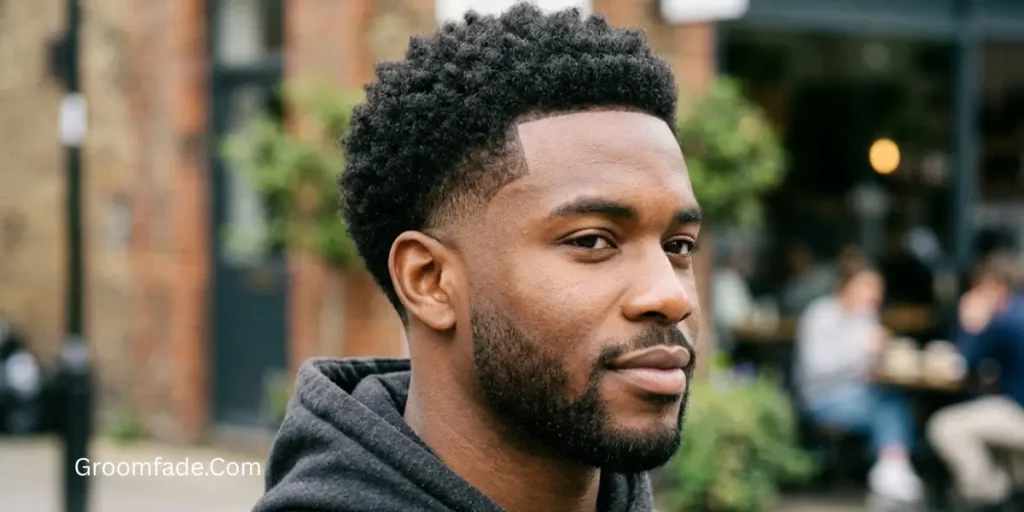
A low drop fade is a clean, flexible haircut that keeps the fade low on the sides and lets the fade line drop behind the ears. This creates a curved shape around the head instead of a straight fade line.
The style works with straight, curly, wavy, thick, fine, and coily hair. You can also pair it with a textured fringe, buzz cut, waves, slick back, beard, dreads, or longer hair on top.
The key is placement. A good low drop fade should stay low enough to keep some weight on the sides while giving the back and neckline a neat finish.
This GroomFade guide explains how the haircut works, which styles suit different hair types, how it compares with other fades, and what to tell your barber.
For men who want a softer transition around the lower sides, Low Fade Haircuts for Men offer a clean and versatile finish that works with many hairstyles.
What Is a Low Drop Fade?
A low drop fade haircut starts low near the sideburns and around the lower sides of the head. Instead of moving straight around the head, the fade follows the shape of the skull and drops behind the ears toward the neckline.
This curved shape is what separates a drop fade from many standard fade styles.
The fade can finish at different lengths. You can ask for a skin finish, a very short 0 guard, or a softer shadow fade that leaves a small amount of hair visible.
A low drop fade also leaves more hair above the fade than a mid or high drop fade. That makes it a useful choice for men who want a clean haircut without removing too much hair from the sides.
How Does a Low Drop Fade Look?
From the front, the haircut usually looks like a low fade. From the side, the fade stays close to the lower part of the head. Around the ear, the fade drops down and follows the natural head shape.
The back is where the drop becomes easier to see. The fade curves toward the neckline instead of keeping the same height all the way around.
The final result depends on the guard length, top hairstyle, hair texture, and amount of bulk left above the fade.
Why Is It Called a Drop Fade?
It is called a drop fade because the fade line drops lower behind the ears.
The barber uses the shape of the head as a guide. This creates a more rounded transition around the back compared with a fade that stays at one level.
Best Low Drop Fade Haircuts and Styles
The low drop fade can be combined with many top styles. The best version depends on your hair texture, length, and the amount of volume you want to keep.
Low Drop Fade with Curly Hair
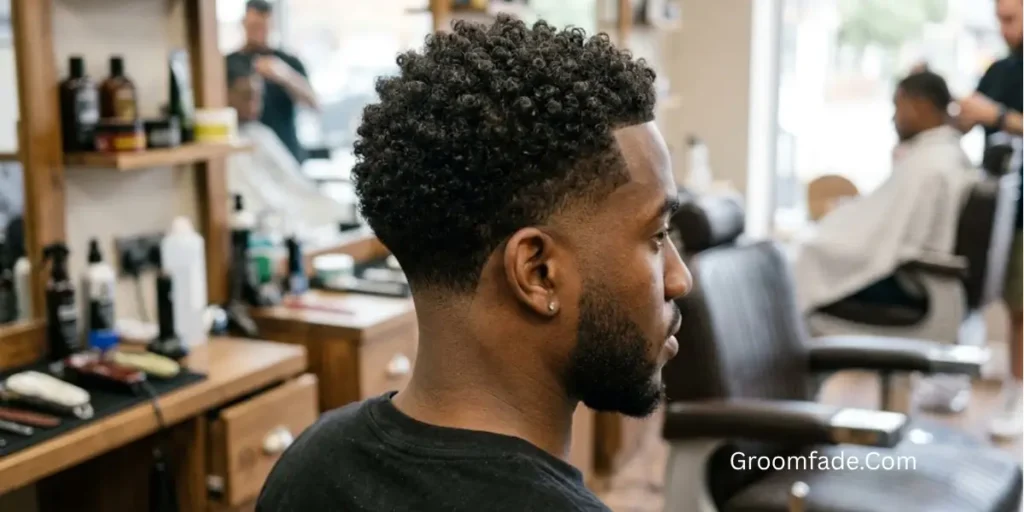
A low drop fade curly hair style keeps the sides controlled while allowing the curls to remain the main feature.
Ask your barber to keep enough length on top for the curl pattern to show. Taking the fade too high can remove the balance between the curls and the sides.
A light curl cream or leave-in product can help keep curls defined without making them stiff.
Low Drop Fade with Straight Hair
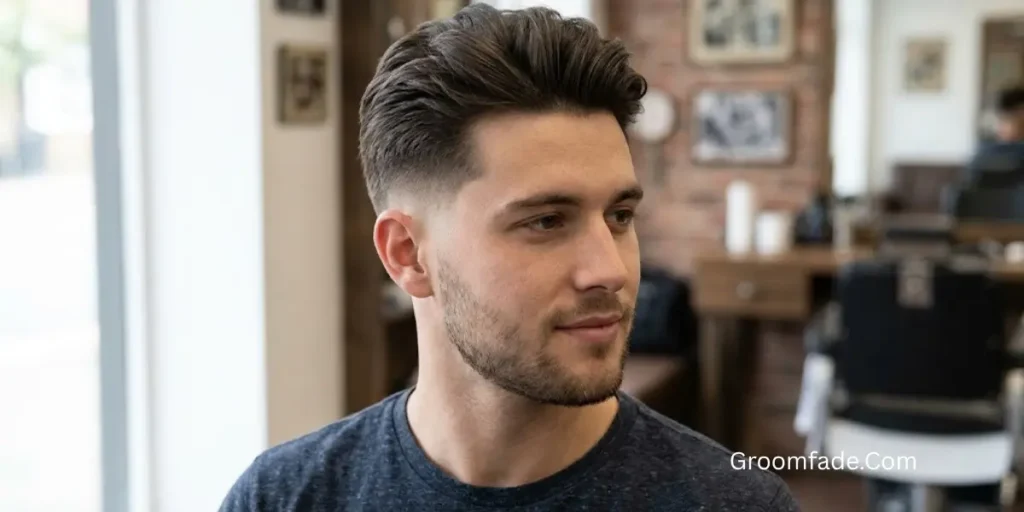
A low drop fade straight hair style gives straight hair a clean shape while leaving plenty of options on top.
You can wear the top forward, to the side, brushed back, or with loose texture. A textured crop and parted fade are also easy combinations.
For short or fine hair, avoid taking too much weight from the top. Keeping some length can make the hair appear fuller.
Low Drop Fade with Wavy Hair
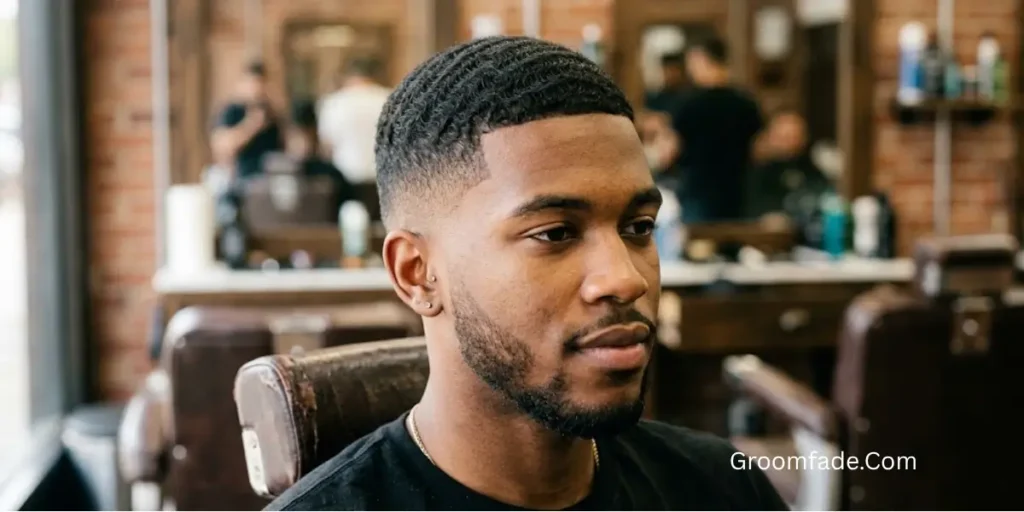
Natural waves work well with a low drop fade because the fade keeps the lower sides neat while the top keeps its movement.
A low drop fade waves style can be worn with medium length on top or a shorter textured finish.
For stronger waves, use a light styling cream instead of a heavy product that can flatten the hair.
Low Drop Fade with Textured Fringe
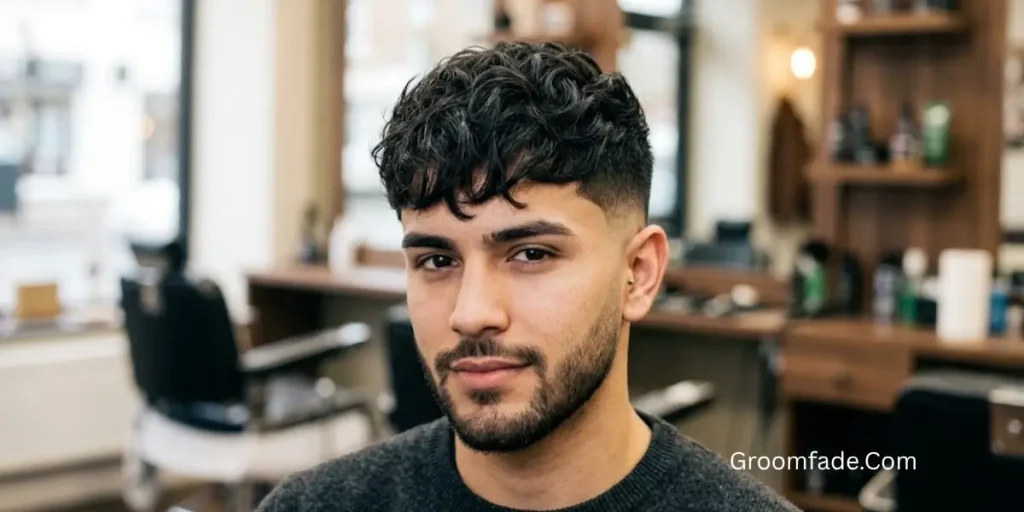
A low drop fade textured fringe combines a low, curved fade with a forward fringe.
The top can be cut with uneven texture so it does not look too flat. This style works especially well for straight and slightly wavy hair.
Tell your barber how far forward you want the fringe to sit. That small detail can change the whole shape of the haircut.
Men who prefer a stronger contrast can go with Men’s High Fade Haircut styles, where the fade starts higher on the sides and creates a more noticeable transition.
Low Drop Fade with Bulk
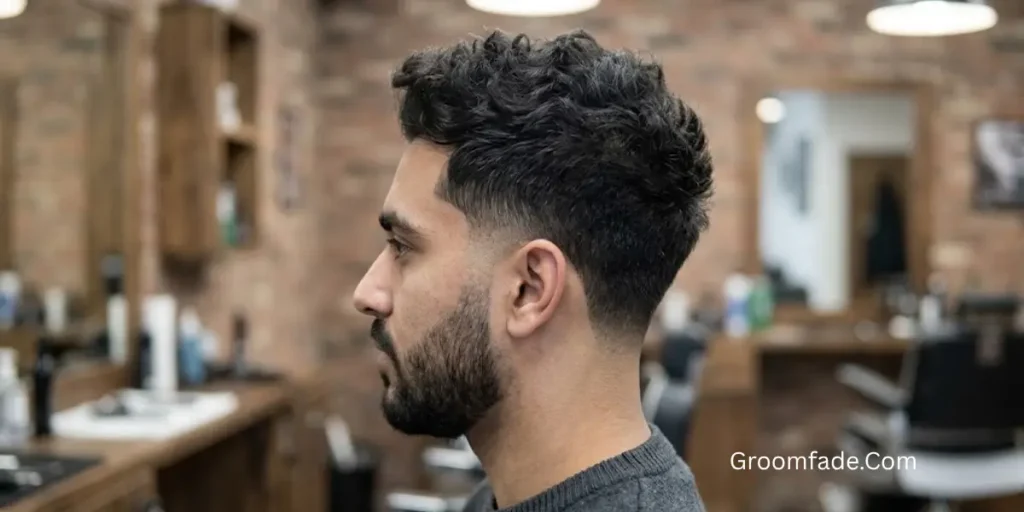
A low drop fade with bulk keeps more weight above the fade.
This is useful if you like a fuller appearance around the sides or want to style the top into a larger shape.
The barber should blend the remaining bulk smoothly into the fade instead of creating a harsh step.
Low Drop Fade V Shape
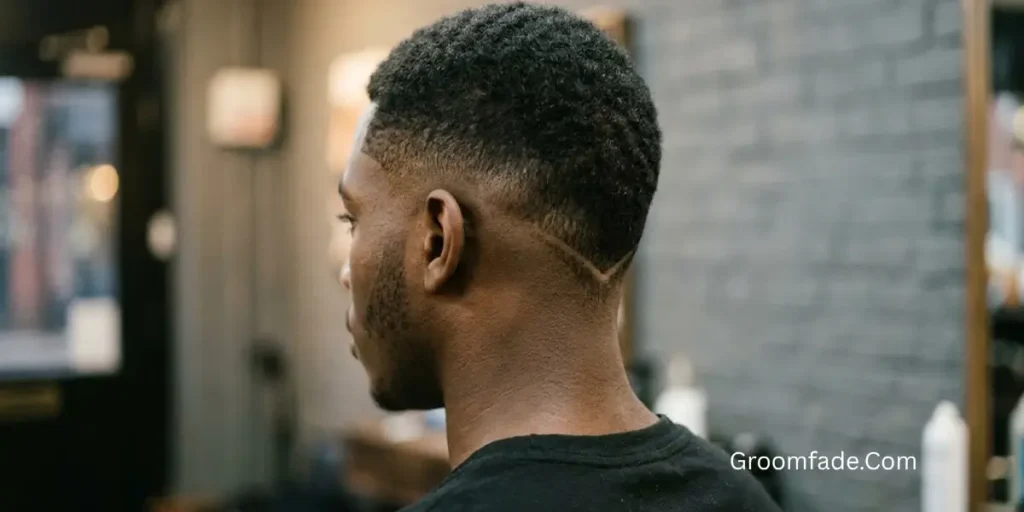
A low drop fade V can be finished with a V-shaped neckline at the back.
The V cut creates a sharper point in the center of the neckline. It can make the back look more defined, especially with short hair.
Ask your barber whether a natural, rounded, or V-shaped neckline works best with your head shape and haircut.
Low Drop Fade Buzz Cut
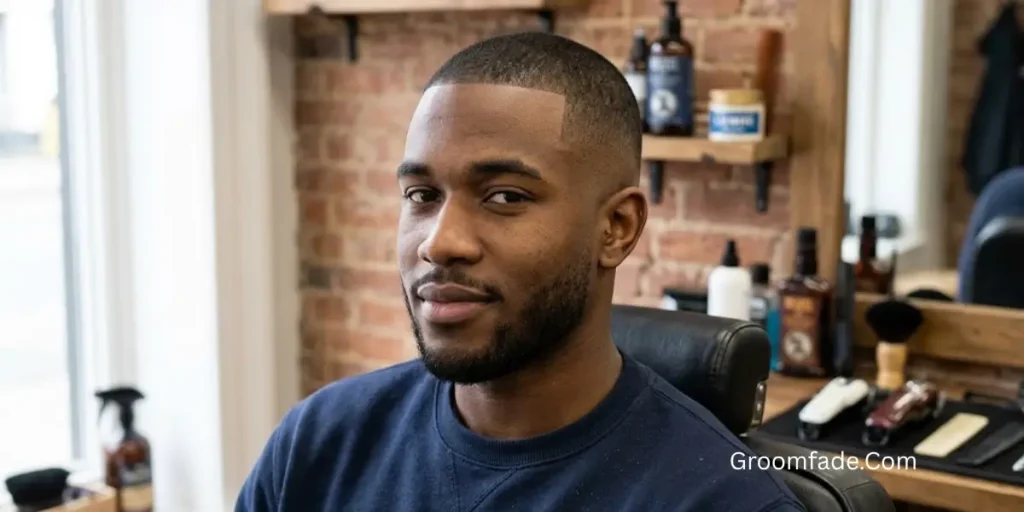
A low drop fade buzz cut keeps the top very short while using the drop shape around the sides and back.
An 8 guard buzz low drop fade is one example of keeping noticeable length on top while cleaning up the lower sides.
Because the hair is short, the fade transition becomes an important part of the final look.
Low Drop Fade for Black Men
A low drop fade black hairstyle can work well with coils, waves, short natural hair, and other textured styles.
The low placement leaves room for natural volume on top while cleaning the area around the ears and neckline.
A line-up can be added if you want a sharper front edge, while a natural hairline gives a softer appearance.
Low Drop Fade with Beard
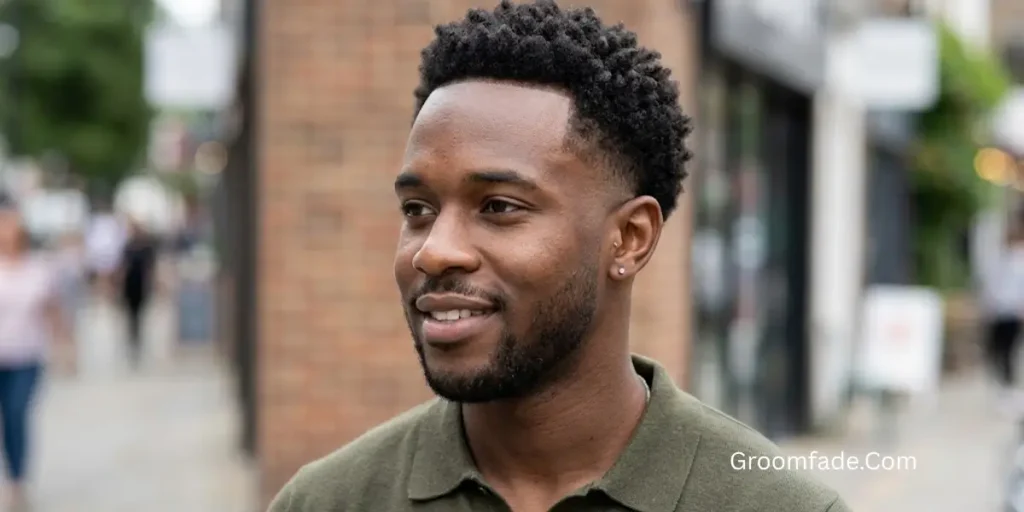
A drop fade with a beard creates a connected look between the haircut and facial hair.
The barber can clean the area around the sideburn and blend it toward the beard. The exact transition depends on beard length and density.
If you have a full beard, tell your barber whether you want a strong connection or a softer transition.
Low Drop Fade Blowout
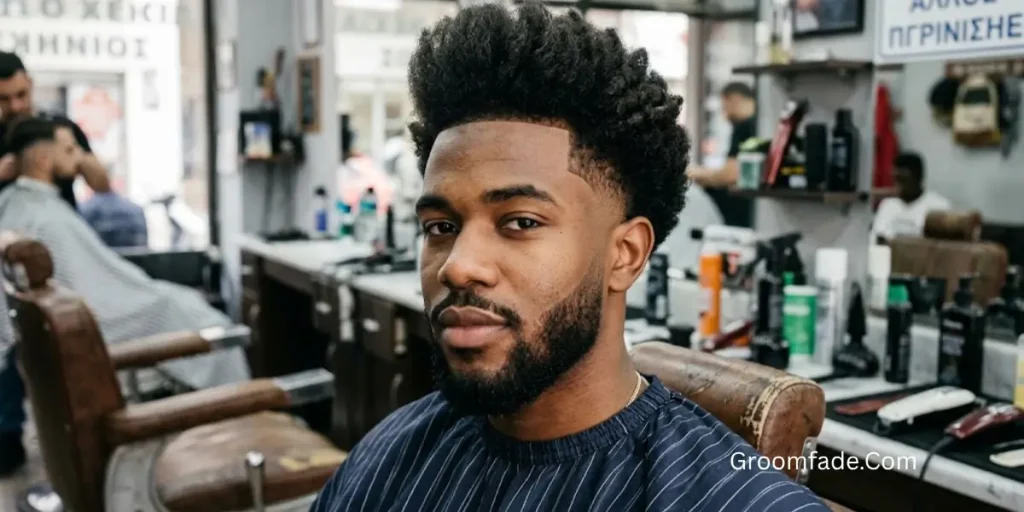
A low drop fade blowout keeps the sides low while leaving more volume on top.
The top is usually styled away from the face or upward to create height. This works best when the hair has enough length and natural volume to hold the shape.
Low Drop Fade for Different Hair Types
Hair texture changes how the haircut should be cut and styled.
Straight Hair
Straight hair shows the fade transition clearly. A textured top, fringe, side part, or slick back can add movement.
Curly Hair
Curly hair needs enough length to show the curl pattern. The barber should also account for shrinkage when deciding the top length.
Wavy Hair
Wavy hair can be left medium length for a natural finish. Avoid using too much heavy product because it can reduce the hair’s movement.
A Low Drop Fade also pairs well with longer hair on top. The Middle Part Hair Men style keeps length and movement through the top while the faded sides provide a clean contrast.
Thick Hair
Thick hair may need some weight removed from the top or sides before the fade is blended. Keeping some bulk can still give the haircut a fuller appearance.
Fine Hair
Fine hair often looks better when too much weight is not removed. A shorter textured top can create the appearance of more density.
Coily and Afro Hair
Coily and Afro hair can be shaped on top while the low drop fade cleans the lower sides. The barber should work with the natural curl pattern rather than forcing the hair into a shape it does not naturally hold.
Low Drop Fade Haircuts by Top Style
The top hairstyle changes the overall look of a low drop fade. Keeping the fade low gives you room to choose a short, textured, wavy, or longer style on top.
Low Drop Fade with a Crop
A low drop fade with a crop keeps the sides clean while the hair on top is cut short and textured. The crop can be worn forward with a short fringe or slightly lifted for more texture.
This style works especially well with straight, thick, and slightly wavy hair. Ask your barber to keep the fade low and leave enough texture on top so the crop does not look flat.
The drop fade crop is a good option if you want a short haircut that still has some shape and movement.
Low Drop Fade with a Side Part
A side part gives a low drop fade a more structured appearance. The sides stay clean while the longer top is separated with a natural or defined part.
A parted fade can work with straight, wavy, or thick hair. For a softer result, use a natural part instead of creating a hard shaved line.
Tell your barber where you normally part your hair so the top can be cut to work with its natural growth direction.
Low Drop Fade with Slick Back
A slick back keeps the top longer and directs the hair away from the face. Combined with a low drop fade, it creates a clean contrast between the styled top and faded sides.
A swept back fade can be worn with a neat finish or with some natural texture. Use a comb for a cleaner appearance or your fingers for a more relaxed style.
If your hair is thick, your barber may remove some weight from the top while keeping enough length to sweep it backward.
Low Drop Fade with a Man Bun
A low drop fade with a man bun combines longer hair on top with shorter sides and back.
The low fade keeps the lower part of the haircut neat while the longer hair can be tied into a bun. This is especially useful for men who want to keep their long hair but prefer cleaner sides.
Because the top needs enough length to tie back, this version requires more time to grow than a short low drop fade.
For an even cleaner finish around the temples and neckline, the Skin Taper Fade uses a close skin finish in selected areas while maintaining a controlled taper.
Low Drop Fade with Dreads
A low drop fade can also be paired with dreads. The fade cleans the lower sides and around the ears while the dreads remain longer on top.
Both drop fade with dreads and drop fade dreads can be adapted to different dread lengths and thicknesses.
The barber should work around the existing dread pattern rather than removing too much hair from the sides. A clean neckline can also make the style look sharper without changing the length of the dreads.
Low Drop Fade with Waves
A low drop fade with waves keeps the lower sides controlled while allowing the wave pattern to remain visible across the top.
You can also combine the style with a part. A drop fade with waves and part creates a stronger visual line while the low fade keeps the sides neat.
Wave styles often depend on regular brushing, suitable hair care, and enough length for the pattern to develop.
Low Drop Fade with Mohawk
A low drop fade mohawk keeps more length through the center of the head while the sides are faded.
The low placement makes this version less aggressive than a higher fade while still giving the haircut a noticeable shape.
The top can be left textured, curly, spiky, or longer depending on your hair type. For curly or coily hair, the natural texture can provide much of the height and definition without heavy styling.
Low Drop Fade vs Low Fade vs Low Taper
These three haircuts can look similar, but the cutting pattern is different.
Low Drop Fade vs Low Fade
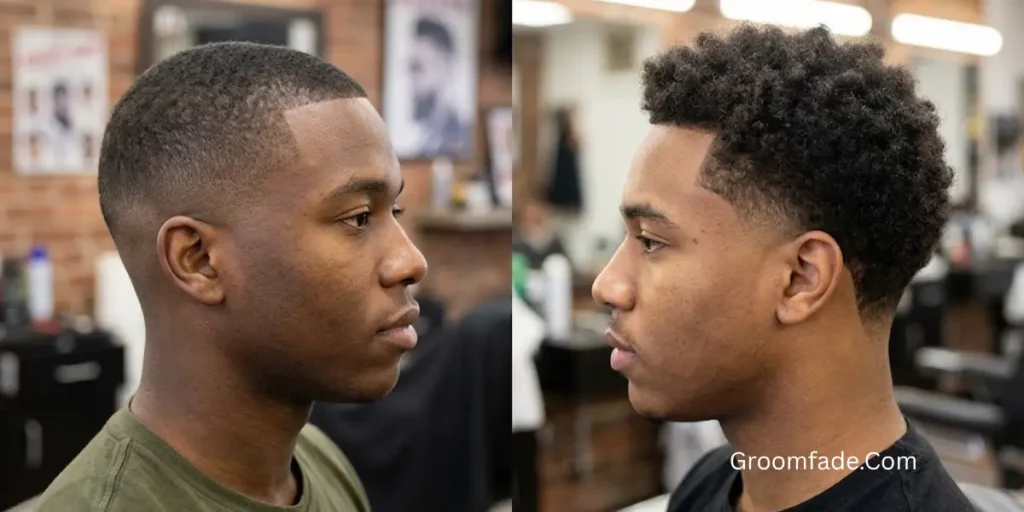
A low fade starts low and usually follows a more even path around the head. A low drop fade also starts low, but the fade drops behind the ears.
The difference is most visible from the side and back.
If you want a low fade that follows the natural curve of your head, tell your barber that you want the fade to drop behind the ears.
Low Drop Fade vs Low Taper
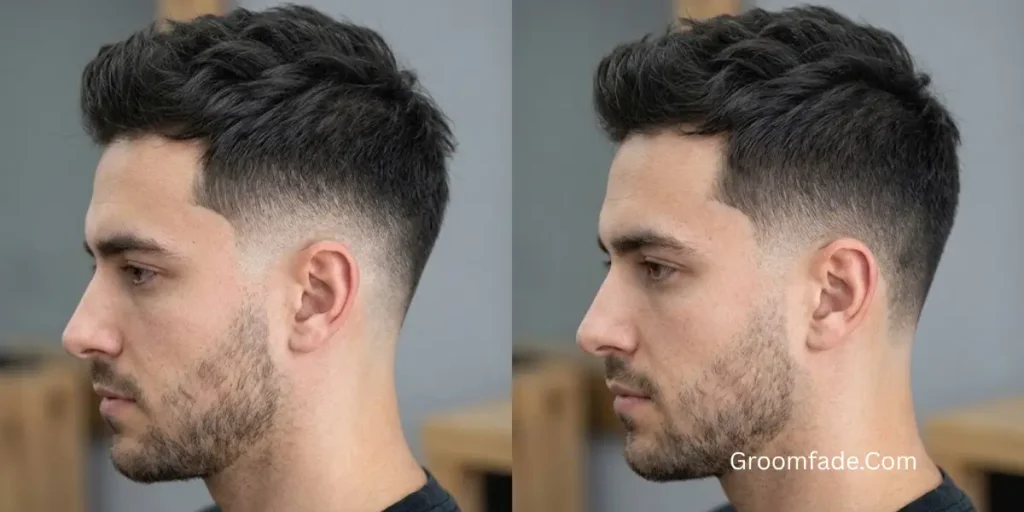
A low taper usually focuses on the sideburns and neckline while keeping more of the surrounding hair.
A low drop fade removes more hair from the lower sides and creates a visible fade transition.
A low taper drop fade can combine elements of both ideas, but you should show your barber a reference photo because barbers may interpret the wording differently.
Low Drop Fade vs Mid Drop Fade
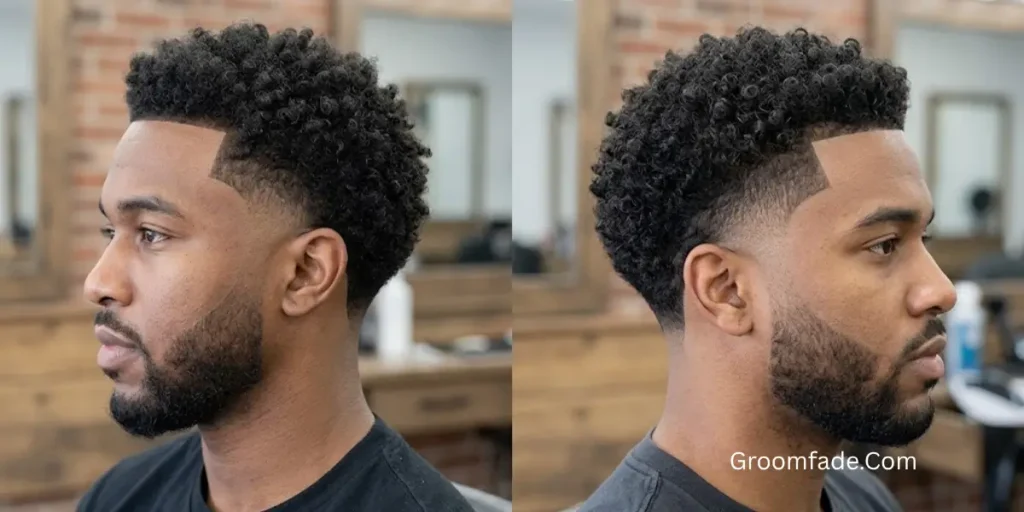
The main difference is height.
A mid drop fade begins higher on the sides, giving the haircut more contrast and taking more weight away from the sides.
A low drop fade keeps the fade lower. This makes it a better fit for someone who wants more hair and shape around the upper sides.
The Low Drop Fade is part of the wider drop fade family. A traditional Drop Fade Haircut follows the natural curve around the ears and back of the head, giving the fade its distinctive shape.
How to Choose the Right Low Drop Fade
There is no single version that works for everyone. Consider these points before your haircut.
Choose the Fade Height
If you want more hair on the sides, stay with a low drop fade.
If you want stronger contrast and less weight on the sides, a mid drop fade may be a better choice.
Choose Skin, Shadow, or Guard Length
A skin fade removes the hair down to the skin at the lowest part of the fade.
A 0 fade leaves the hair extremely short but can look slightly softer than a full skin finish.
A shadow fade keeps a visible layer of very short hair, giving the transition a softer appearance.
If you do not want the sides to look completely bare, ask for a non-skin fade or shadow finish.
Choose the Right Top Length
Your top length should match the hairstyle you plan to wear.
Short hair works well with a buzz cut, crop, or textured finish. Medium length gives you more options such as a side part, fringe, waves, or slick back.
Longer hair can be paired with styles such as a man bun or swept-back finish.
Consider Your Face Shape
A low drop fade can be adjusted to suit different face shapes.
For round faces, some height on top can add length to the overall appearance. Square faces can work well with both short and textured styles. Longer faces may look balanced with more width and less height on top.
Your natural features and hair type matter just as much as face shape.
How to Ask Your Barber for a Low Drop Fade
Clear instructions can prevent a haircut from being taken higher than you want.
What to Tell Your Barber
You can say:
“I want a low drop fade that stays low around the sides and drops behind my ears. Keep enough weight on the sides and keep the top at this length.”
Then show a reference photo.
Also tell your barber:
- How short you want the fade
- Whether you want skin, 0, or shadow
- How much length you want on top
- Whether you want bulk kept
- What neckline you prefer
- Whether you want a line-up
- How you plan to style the top
Show a Reference Photo
The words “low drop fade” can mean slightly different things to different people.
A photo gives your barber a clear view of the fade height, drop position, top length, neckline, and overall shape.
This is especially helpful if you want a specific version such as a low drop fade V, curly low drop fade, or low drop fade with textured fringe.
For a higher version of the same curved fade pattern, the Mid Drop Fade places the transition higher on the sides while keeping the drop shape around the back of the head.
How to Style a Low Drop Fade
The fade itself does not need much styling. Most of the work goes into the hair on top.
Start With Clean Hair
Wash your hair based on its texture and scalp needs. Apply a small amount of styling product to damp hair.
Use the Right Product
For texture, a matte clay or styling cream can work well.
For a stronger, smoother finish, a pomade may be more suitable.
Sea salt spray can add light texture to straight or wavy hair, while texture powder can add volume to short hair.
Curly hair often needs a curl-friendly cream or light leave-in product instead of a heavy wax.
Blow-Dry for Shape
A blow dryer can help direct straight or wavy hair into place.
Use your fingers or a brush to guide the hair while drying. The direction you choose should match the final style, such as forward, upward, sideways, or backward.
How to Maintain a Low Drop Fade
A fresh fade looks sharp because the transition between lengths is clean. As the hair grows, that contrast becomes softer.
How Often Should You Get a Low Drop Fade?
Many people refresh a fade about every 2 to 3 weeks to keep the sides sharp. Your ideal schedule depends on how quickly your hair grows and how clean you want the fade to look.
The top can usually go longer between cuts if you are growing it out.
Maintain the Top Between Barber Visits
Keep the top at a length that is easy for you to style.
Curly and wavy hair may need moisture and gentle handling. Straight hair may need regular trimming if you want a fringe or clean part.
Keep the Neckline and Sideburns Clean
The neckline and sideburns can make an older fade look untidy.
A barber can clean these areas without completely changing the main haircut.
Low Drop Fade vs Other Fade Styles
Low Drop Fade vs Shadow Fade
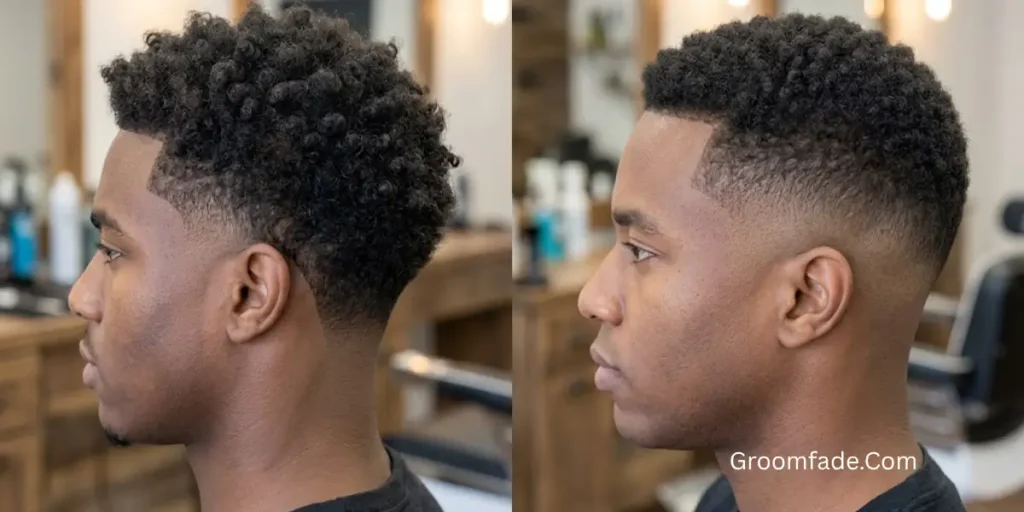
A low drop fade describes the placement and shape of the fade. A shadow fade describes the finish and amount of visible hair.
You can have a low drop fade with a shadow finish.
Low Drop Fade vs Skin Fade
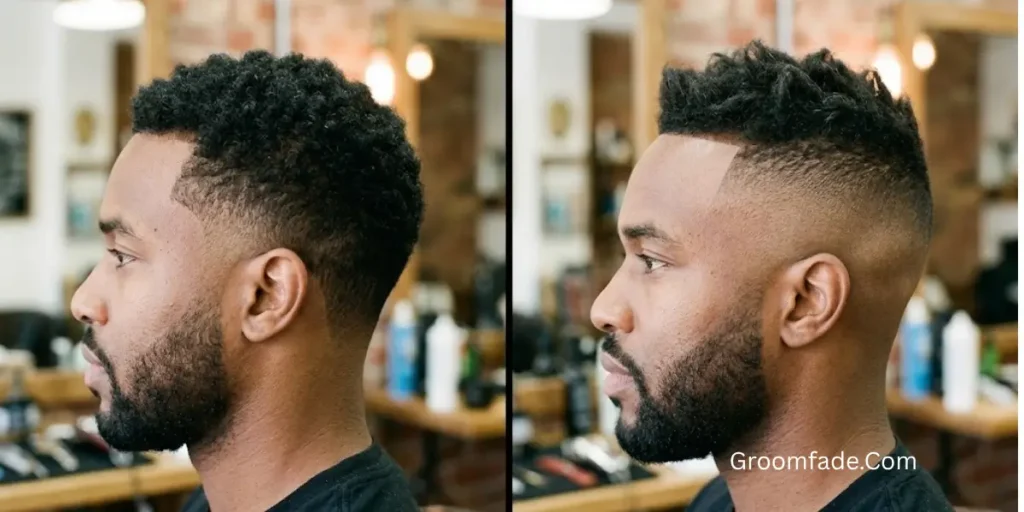
A skin fade goes down to bare skin at the shortest point. A low drop fade does not automatically mean skin.
You can combine the two by asking for a low skin drop fade.
Low Drop Fade vs Taper Fade
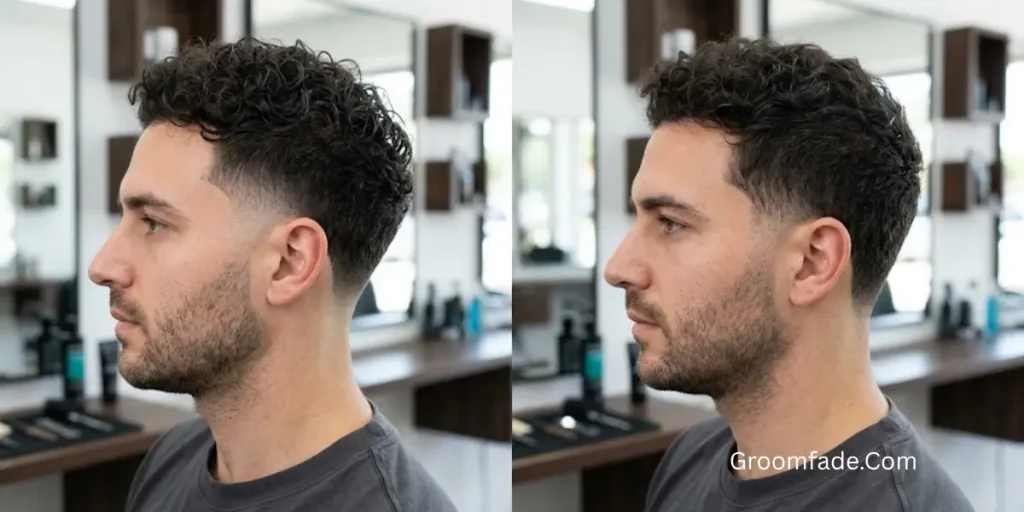
A taper generally keeps more hair around the sides and focuses on a gradual change around the sideburns and neckline.
A drop fade creates a more noticeable fade area that follows the head shape.
Frequently Asked Questions About the Low Drop Fade
Q1. What Does Low Drop Fade Mean?
A low drop fade is a fade that starts low on the sides and drops behind the ears toward the neckline. The curved shape follows the natural contour of the head.
Q2. Is Drop, Fade, or Taper Better?
None is automatically better. A fade creates a stronger change in hair length, while a taper usually keeps more hair around the sides and neckline. A drop fade adds a curved shape behind the ears.
Choose based on the amount of contrast and hair you want to keep.
Q3. Is a Low Fade Attractive?
A low fade is popular because it gives the haircut a clean shape while keeping more hair on the sides than higher fades. Whether it looks attractive depends on the person’s hair, face shape, and chosen top style.
Q4. What Is the Most Popular Fade?
There is no single fade that is the most popular for every person or location. Low fades, mid fades, high fades, taper fades, and drop fades are all widely used. Trends also change by hair type and region.
Q5. Is a Low Drop Fade Good for Curly Hair?
Yes. The low placement can keep the sides clean while leaving enough length on top for curls to keep their shape.
Q6. Does a Low Drop Fade Work With Straight Hair?
Yes. Straight hair can be paired with a crop, fringe, side part, slick back, or other short and medium-length styles.
Q7. How Long Does a Low Drop Fade Last?
The haircut can remain present as the hair grows, but the sharp fade usually starts to soften after the first couple of weeks. Many people book another cut around every 2 to 3 weeks.
Q8. Can You Get a Low Drop Fade Without Showing Skin?
Yes. Ask your barber for a shadow or guarded finish instead of taking the shortest part down to the skin.
Q9. What Is the Difference Between a Low Fade and a Low Drop Fade?
Both start low, but a low drop fade follows a curved path and drops behind the ears. A standard low fade may keep a more even height around the head.
Q10. What Should I Tell My Barber for a Low Drop Fade?
Tell your barber that you want the fade low on the sides and dropped behind the ears. Then specify the shortest guard or finish, top length, neckline, and amount of bulk you want to keep. A reference photo is the best way to confirm the shape.