
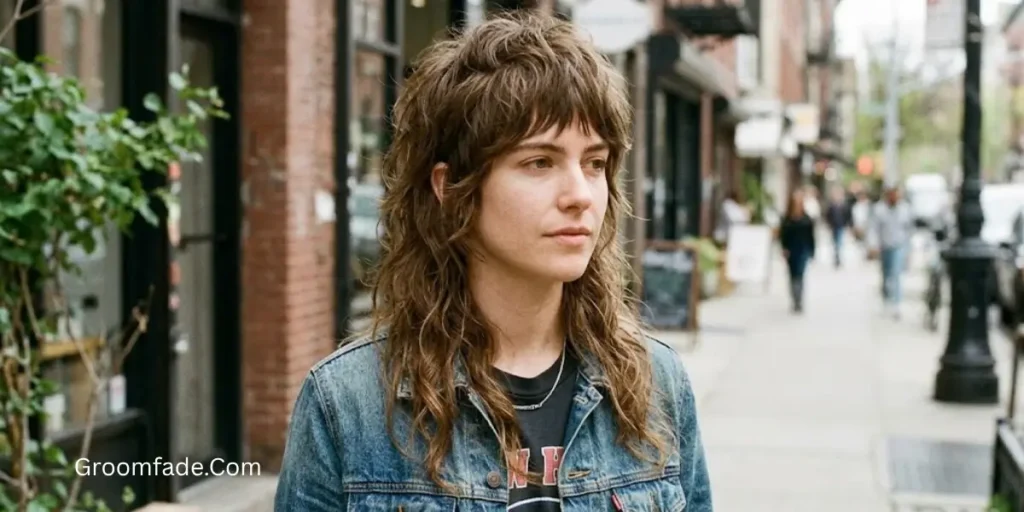
A shag mullet combines two well-known haircut shapes: the layered movement of a shag and the longer back of a mullet. The result is a textured haircut that can look soft, messy, retro, or modern depending on the length and styling.
The shaggy mullet can be cut for short, medium, or long hair. It can also work with straight, wavy, curly, thick, or fine hair when the layers are adjusted to suit the hair’s natural shape.
For men, the shag mullet men style often uses shorter sides with a textured top and longer back. For women, a shag mullet women style may include softer face-framing layers, bangs, and more movement around the sides. There are also short versions, curly versions, and retro 70s shag mullet styles.
The main idea is simple: keep the layered texture of a shag while giving the haircut enough length in the back to create a mullet shape.
What Is a Shag Mullet?
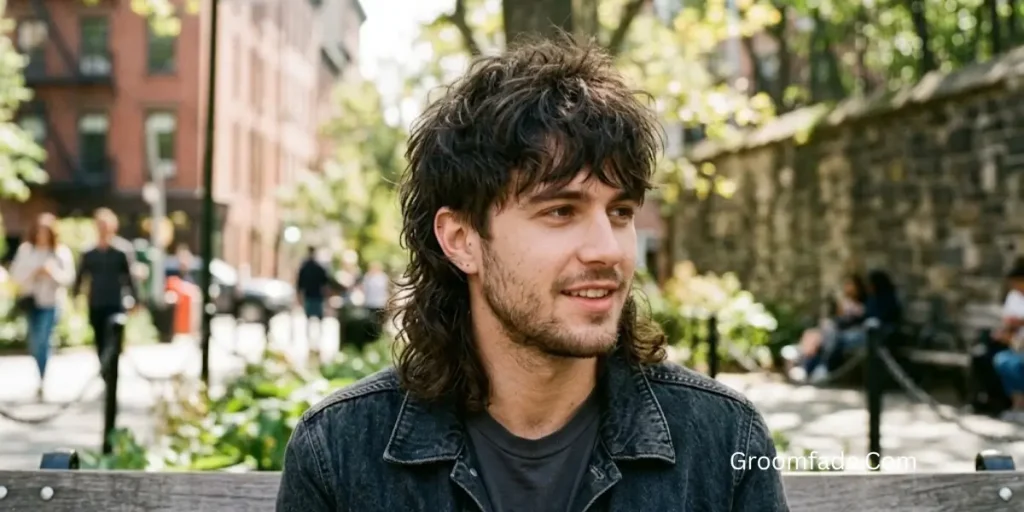
A shag mullet haircut is a layered haircut that combines the main features of a shag and a mullet. It usually has shorter pieces around the front and sides, plenty of layers through the crown, and more length toward the back.
Unlike a very sharp mullet, the shag version usually has a softer and more uneven shape. The layers help the hair move instead of sitting in one solid block.
The exact result depends on how the haircut is cut. A barber or stylist can make it short and subtle or longer and more dramatic.
Common features include:
- Choppy or feathered layers
- Texture around the crown
- Shorter pieces around the face
- A longer back section
- Natural movement
- Optional bangs or fringe
- Different lengths around the sides
- A messy or relaxed finish
The shaggy mullet haircut does not have one fixed length. That makes it easy to adjust for different hair types and personal preferences.
Key Features of a Shag Mullet
The top is usually layered to create movement. Instead of keeping all the hair at one length, the stylist removes some weight and creates different lengths through the crown.
The sides can range from fairly short to medium length. Some people prefer a soft transition, while others want a stronger contrast between the sides and back.
The back is what gives the haircut its mullet identity. It stays longer than the front and sides, although it does not have to be extremely long.
The fringe is also flexible. You can have short choppy bangs, longer face-framing pieces, curtain-style bangs, or no traditional fringe at all.
Shag vs Mullet: What Is the Difference?
The shag vs mullet question is common because both haircuts use layers and can have a messy finish.
A traditional shag focuses mainly on layers and movement throughout the hair. A traditional mullet places more attention on the difference between the shorter front and sides and the longer back.
A shag mullet brings those two ideas together.
| Shag | Shag Mullet | Mullet |
| Layered throughout | Layered with a longer back | Stronger front-to-back contrast |
| Lots of movement | Movement plus mullet shape | More defined mullet structure |
| Often softer | Can be soft or bold | Often more noticeable |
| Can have similar length all around | Back is usually longer | Back is clearly longer |
There is also some overlap. A heavily layered mullet can look like a shag, while a longer shag can have some mullet-like features.
The biggest difference is the overall shape. A mullet shag style puts the shag’s texture and the mullet’s longer back into the same haircut.
The longer back and tapered shape of a Ducktail Haircut can add a more structured feel compared with the loose layers of a shag mullet.
Modern Shag Mullet
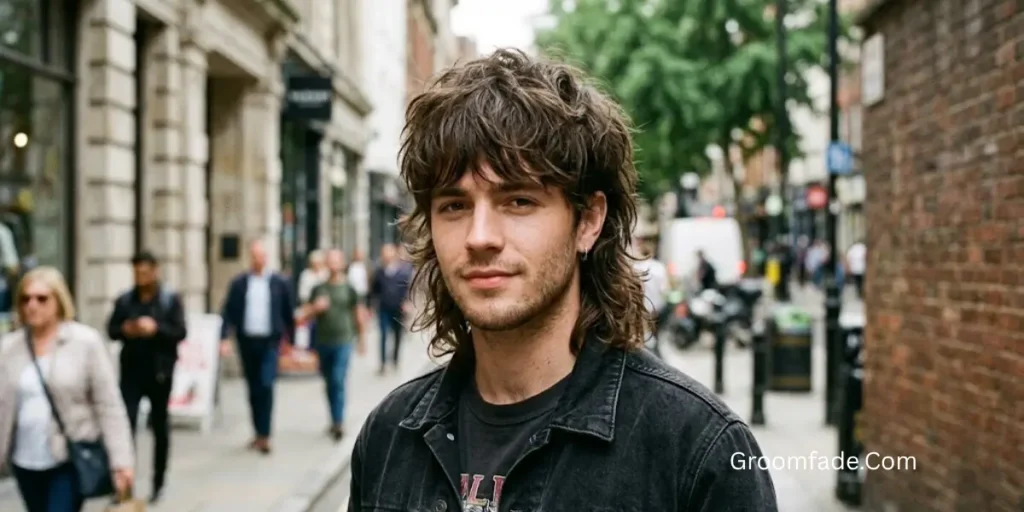
A modern shag mullet takes the basic retro shape and gives it a more current finish.
The modern version does not have to look like a costume or a throwback haircut. The layers can be softer, the back can be kept at a practical length, and the sides can be shaped to suit the person’s hair.
A modern shaggy mullet may include:
- Soft layers around the crown
- A natural neckline
- Medium-length sides
- Textured ends
- Face-framing pieces
- A controlled amount of volume
- A less extreme difference between the front and back
Some people also pair the shape with a taper or cleaner sides. Others keep the sides fully layered for a stronger shag look.
The best approach depends on the starting length and natural texture of the hair.
Shag Mullet Haircut Ideas
There is no single way to wear this haircut. The same basic shape can look very different depending on the length, layers, fringe, and hair texture.
Shag Mullet Men
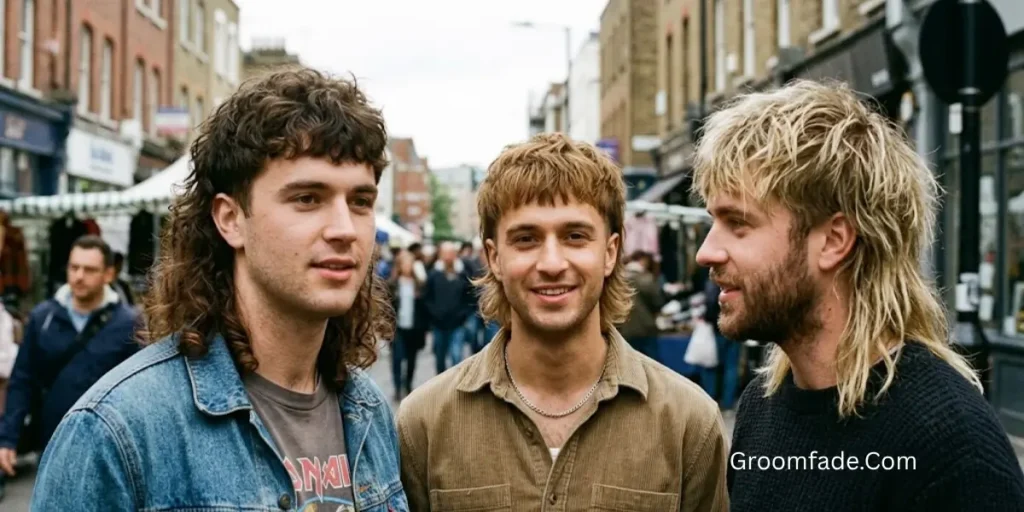
The shag mullet men style often combines shorter sides with a textured top and longer hair at the back.
For a cleaner men’s version, the sides can be tapered around the ears and sideburns while leaving enough length above them for the shag layers to blend naturally.
Another option is to keep the sides longer and let the layers create most of the shape. This gives the haircut a more traditional shag feel.
A men’s shag mullet can also work with facial hair. A beard or short stubble can add another element to the overall look, but it is not required for the haircut to work.
Shaggy Mullet Men
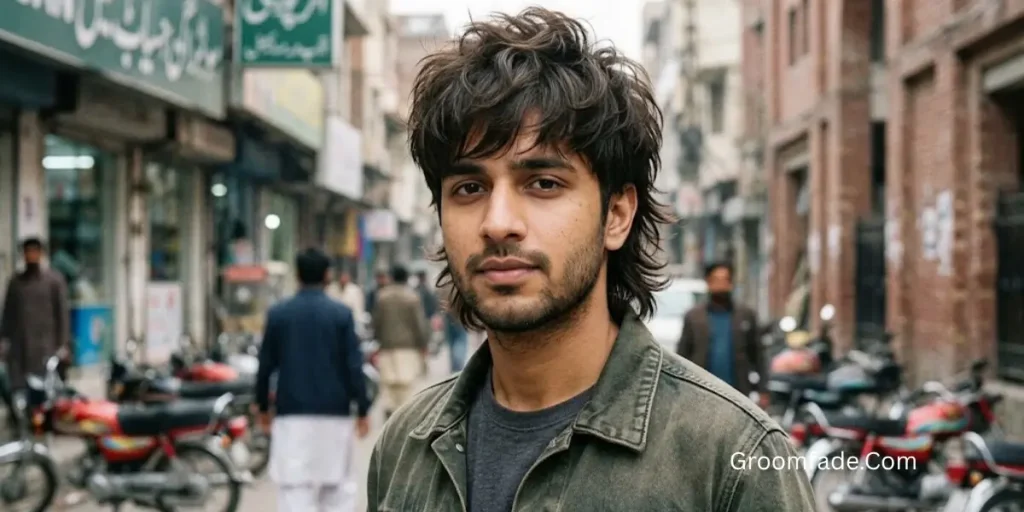
The shaggy mullet men look is usually less polished and more textured. The layers are allowed to move naturally rather than being shaped into a very clean silhouette.
This can work especially well for men with naturally wavy or thick hair. Straight hair can also be styled to create a similar effect with the right layering and lightweight styling product.
The back does not need to reach the shoulders. A medium-length back can still give the haircut a clear mullet shape.
Shag Mullet Women
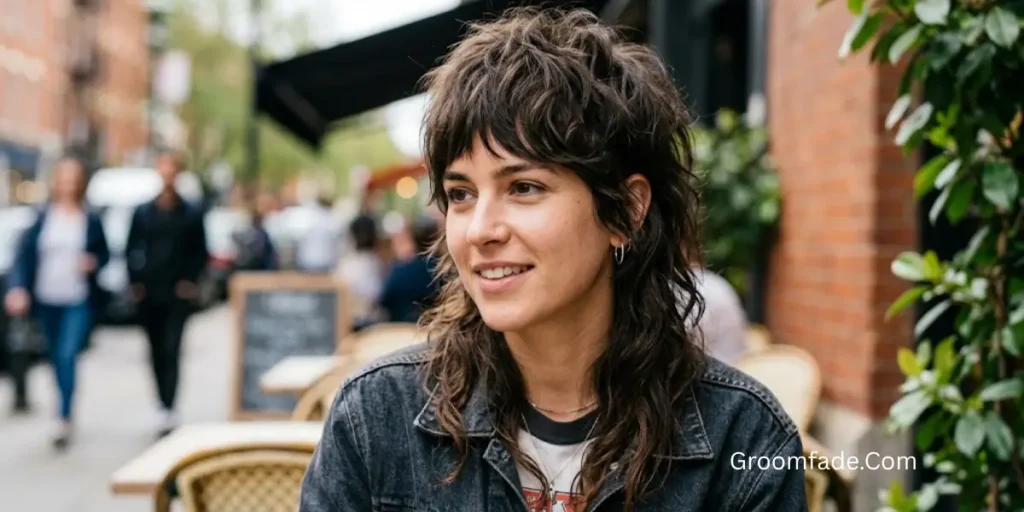
A shag mullet women style can be softer around the face while keeping the longer back that gives the haircut its identity.
Face-framing layers are especially useful because they can connect the shorter front to the longer sides and back.
Women can also change the overall feel with different fringe options. Short bangs create a stronger alternative look, while longer pieces around the cheekbones can make the shape feel softer.
The modern shaggy mullet woman style can be cut at many different lengths. A short version may resemble a shaggy pixie, while a longer version can have plenty of movement through the shoulders and back.
Shaggy Mullet Woman With Face-Framing Layers
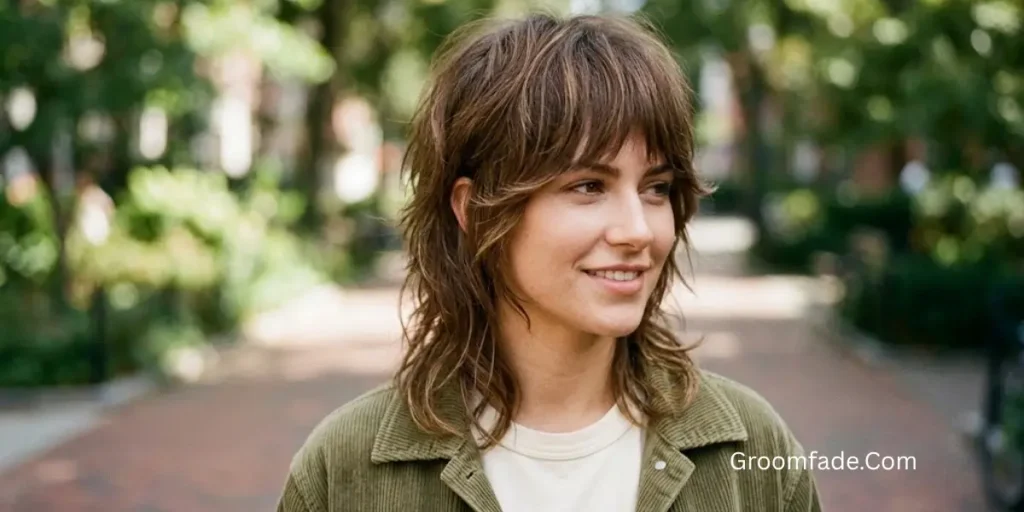
Face-framing layers can make a big difference in how the haircut sits around the face.
Shorter pieces can add more definition around the cheekbones. Longer pieces create a softer transition into the rest of the haircut.
The right length depends on the person’s hair texture and the amount of styling they want to do.
The same approach can be used for a shaggy mullet haircut woman who wants the haircut to feel less severe.
For cleaner sides with a noticeable fade, the Brooklyn Fade creates sharper contrast while leaving room for texture through the top.
Shaggy Pixie Mullet
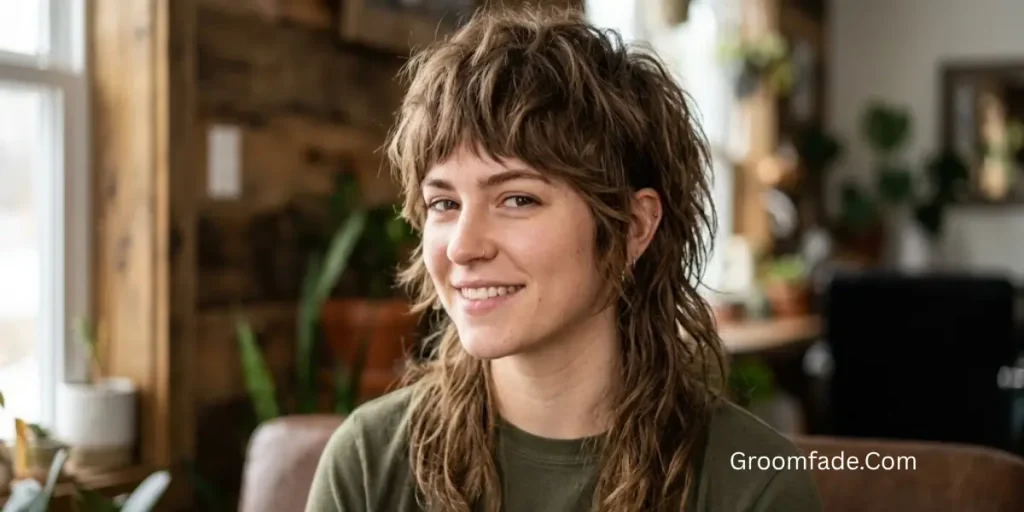
A shaggy pixie mullet is a shorter version that combines the cropped shape of a pixie with shaggy layers and a slightly longer back.
The back is usually longer than the sides, but it does not need to have the length of a classic mullet.
This version can be useful for someone who likes the idea of a mullet but wants to keep most of the haircut short.
The crown can be heavily layered to create volume and movement. The sides may be tapered close to the head or left slightly longer for a softer finish.
Because this is a short haircut, the shape becomes more noticeable as the hair grows. Regular trims can help maintain the intended proportions.
Short Shag Mullet
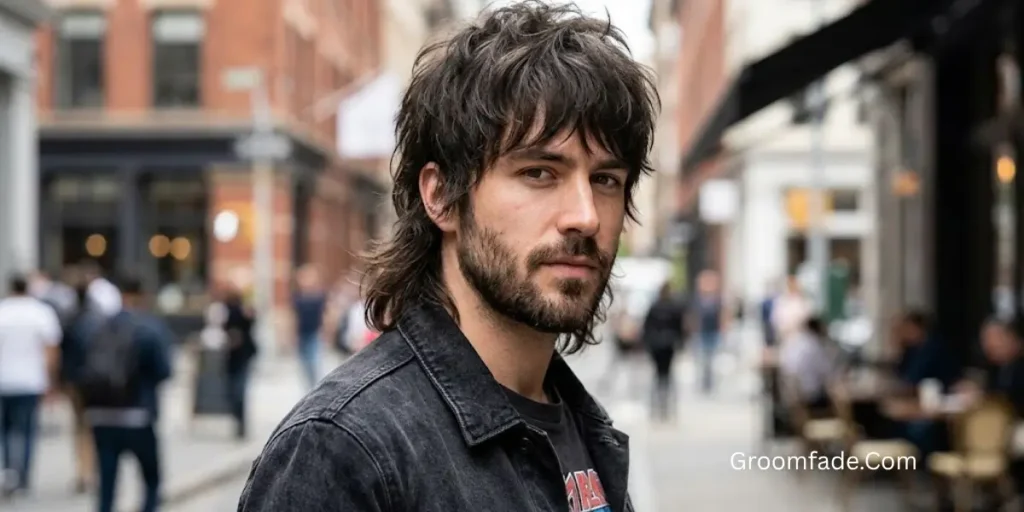
A short shag mullet keeps the overall haircut compact while still showing the difference between the shorter front and longer back.
The back may only be a few inches longer than the sides. The important part is that the layers and length create a clear shape.
Short versions often work well for people who want:
- Less hair around the neck
- Easy daily styling
- A lighter haircut
- Visible texture
- A subtle mullet shape
The top can be layered and messy, while the back stays slightly longer.
A short shag mullet does not have to be highly dramatic. The length can be adjusted to make the haircut more wearable for school, work, or everyday life.
Long Shag Mullet
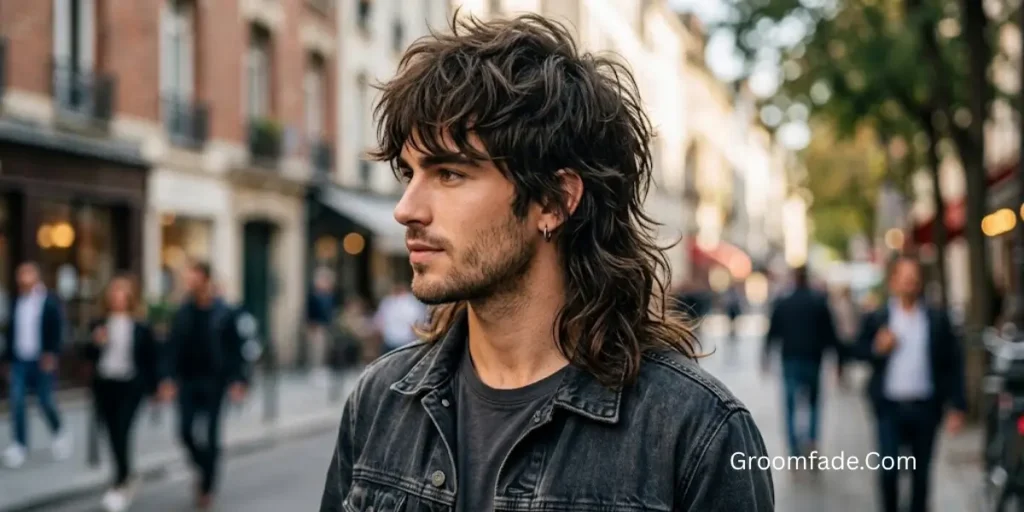
A long shag mullet keeps more length through the back and often has longer layers throughout the haircut.
This version can create more movement because there is more hair for the layers to work with.
The longer back can fall around the neck, shoulders, or farther down depending on the starting length and desired style.
Long versions are especially useful for people who do not want to lose much length but still want a noticeable change in shape.
A stylist may use longer layers instead of cutting the hair into very short sections. This helps maintain length while creating the shag effect.
Curly Shag Mullet
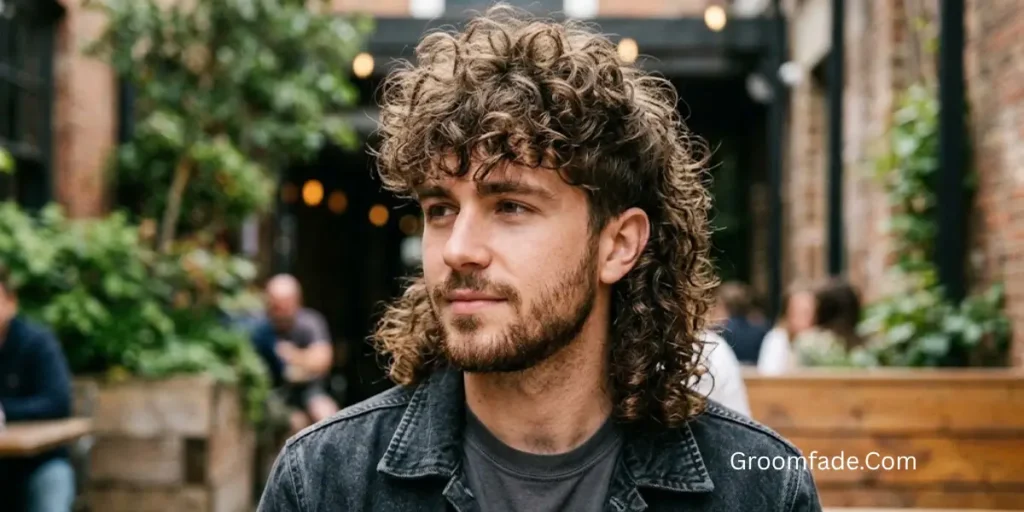
A curly shag mullet can have a strong natural shape because curls already create volume and movement.
The main concern is controlling the amount of layering. Removing too much weight from curly hair can make some areas expand more than expected.
A stylist should consider:
- Curl pattern
- Shrinkage
- Hair density
- Current length
- How the curls naturally fall
- How the hair looks when dry
The back can be left longer to allow the curls to form a clear mullet shape.
A shaggy mullet curly hair style does not need to be straightened to look good. In many cases, keeping the natural curl pattern makes the layers more visible.
Shaggy Mullet Curly Hair Styling
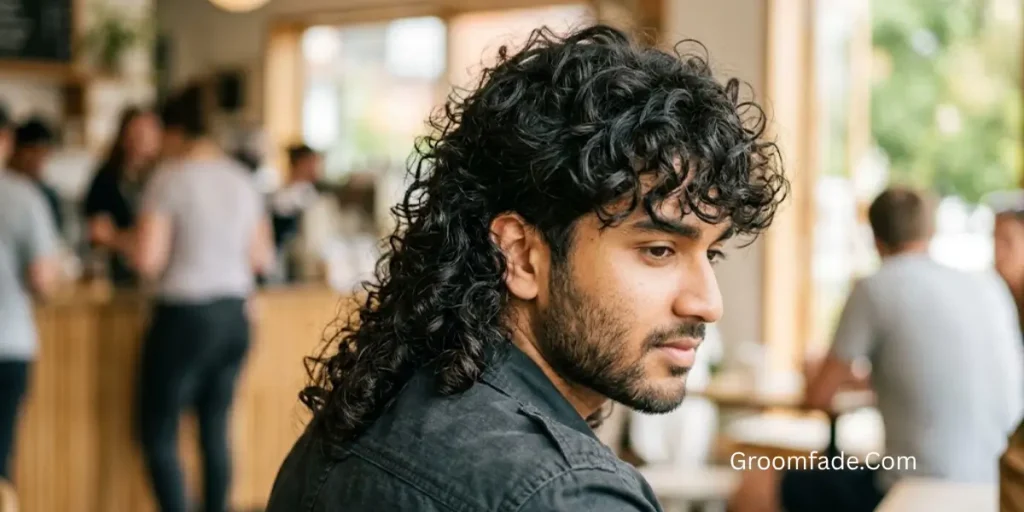
Curly hair usually needs a styling method that supports its natural pattern.
After washing, apply a suitable curl cream or lightweight styling product while the hair is damp. Shape the curls with your hands instead of brushing them out once they are dry.
A diffuser can also help dry the hair while keeping the natural curl pattern.
The goal is not to make every curl identical. The layered shape should have some natural movement.
The Juice Box Fade offers a more defined shape, combining faded sides with a structured top for a stronger overall outline.
Shaggy Mullet Straight Hair
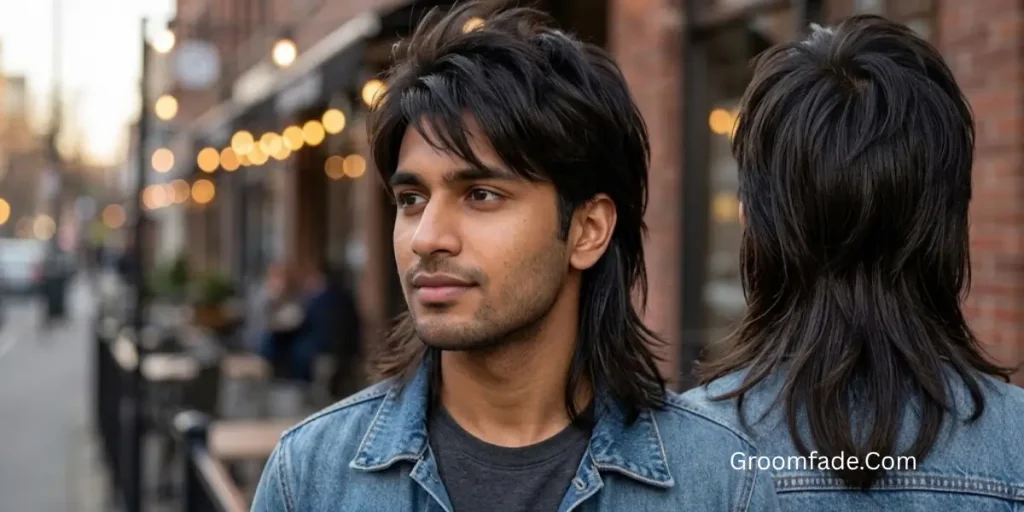
A shaggy mullet straight hair style shows the layers more clearly because straight strands do not naturally coil or curl around the different sections.
This makes the cutting technique especially important.
The layers can be kept soft and uneven rather than perfectly blended into one length. This helps create the textured appearance associated with a shag.
Straight hair can also be styled with a small amount of texturizing product. Too much product can make fine straight hair look heavy or flat.
For a more natural result, keep the product light and let the ends move freely.
Shag Mullet for Fine or Thin Hair
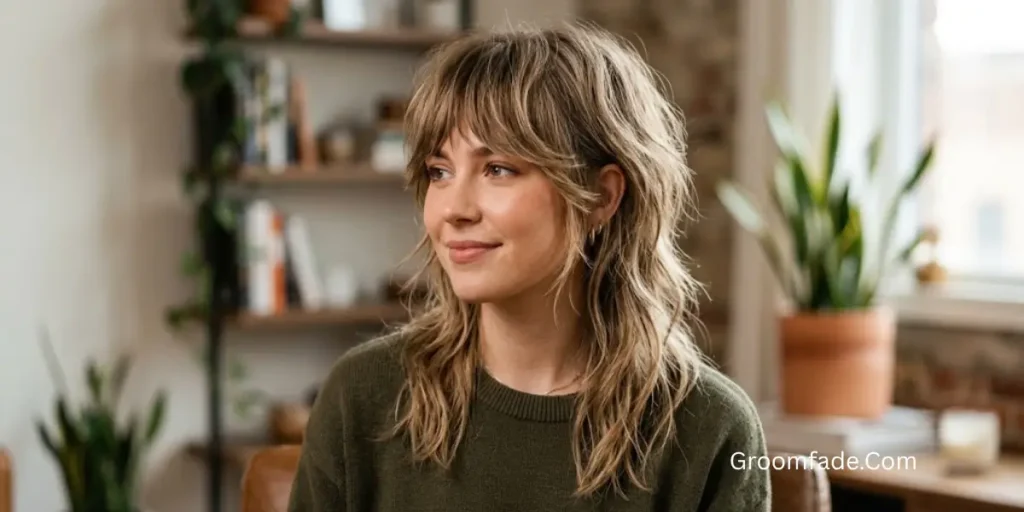
A fine hair mullet needs a slightly different approach from a haircut made for very thick hair.
Fine hair has a smaller strand diameter, so removing too much weight can sometimes make the hair look thinner. Heavy texturizing throughout the entire haircut may not be the best choice.
Instead, the stylist can keep enough weight in important areas while using controlled layers to create movement.
A fine hair short shaggy mullet can be a useful option because a shorter shape may make the hair easier to manage.
For people searching for a mullet thin hair style, the goal should be to create shape without making the hair look unnecessarily sparse.
Can a Shag Mullet Work With Fine Hair?
Yes, but the haircut should be adjusted to the person’s hair density.
A stylist can use fewer layers, keep some fullness through the crown, and avoid excessive thinning. Styling can then add texture without taking away too much visual weight.
Fine hair can also benefit from a shorter or medium-length version because excessive length may make the hair appear flatter.
Shag Mullet: Styling, Maintenance, and Choosing the Right Cut
70s Shag Mullet
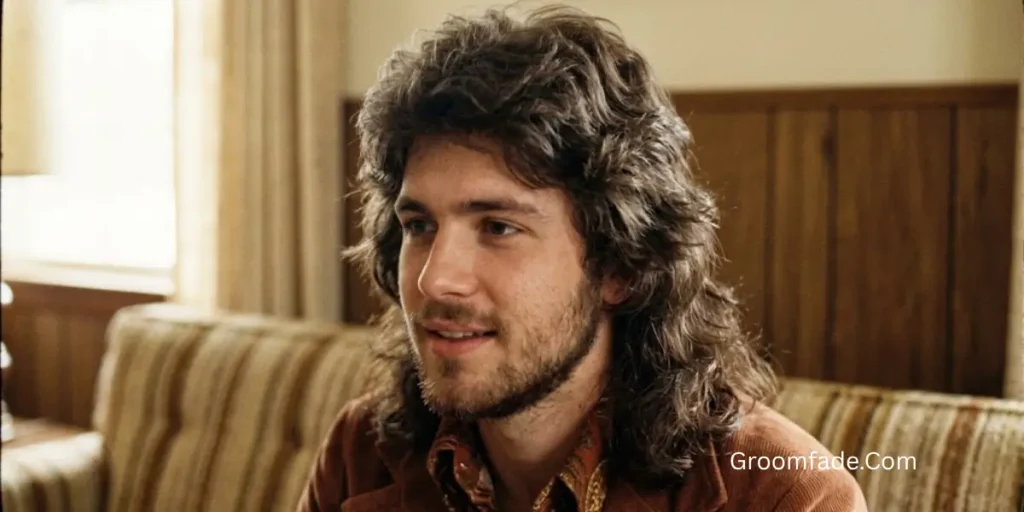
The 70s shag mullet brings together two strong ideas from retro hair: lots of layers and a longer back.
The classic shag became known for its feathered layers, natural movement, and relaxed shape. The mullet added a clearer difference between the shorter front and sides and the longer back.
A modern version can borrow these details without copying the exact shape of an older haircut.
A 70s-inspired shaggy mullet may include:
- Feathered layers around the face
- Fullness around the crown
- Longer hair at the back
- Soft, uneven ends
- Natural volume
- Longer bangs or face-framing pieces
The amount of retro styling is up to you. You can keep the layers and texture while using a cleaner, shorter shape for a more current look.
70s Shag Mullet vs Modern Shag Mullet
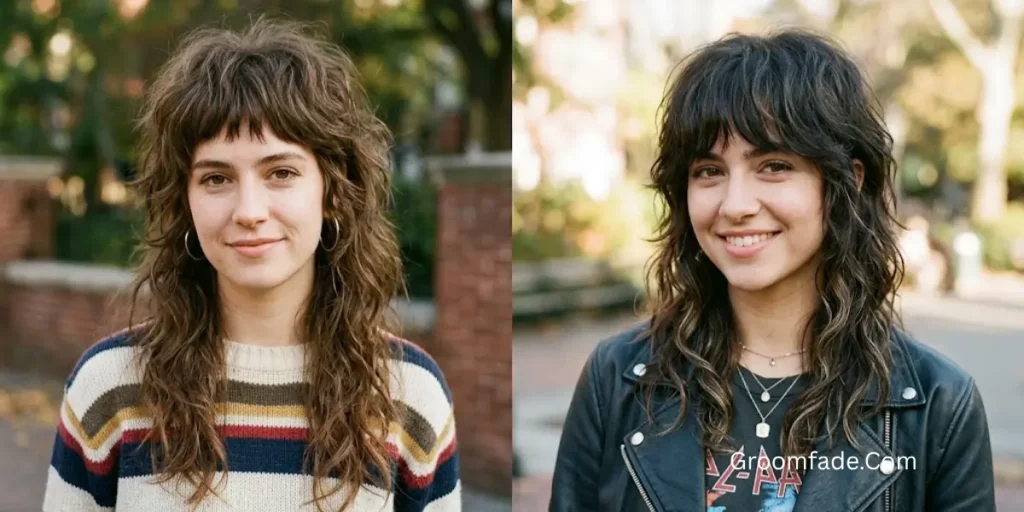
The main difference is the finish.
A retro version often has more feathering and visible volume. A modern shag mullet may have shorter layers, softer transitions, and a more controlled silhouette.
Neither approach requires one exact length. The haircut can be adjusted based on the person’s hair and how much styling they want to do.
Men who want to keep the sides neat without a very short fade can choose Tapered Sides. This leaves more weight around the haircut while keeping the edges clean.
Modern Shaggy Mullet vs Classic Shag Mullet
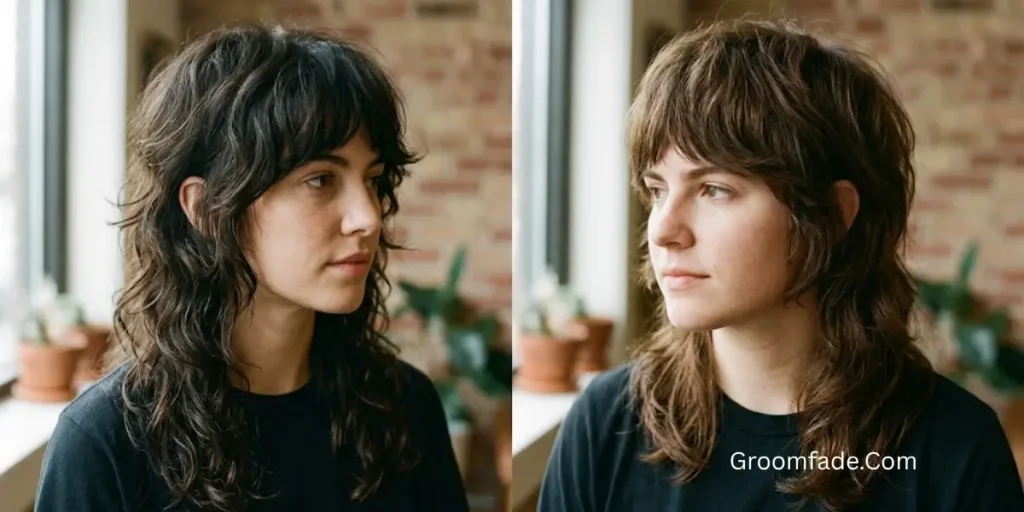
A modern shaggy mullet usually keeps the main idea of the haircut while making the proportions easier to wear today.
A classic-inspired cut may have strong feathering and a more obvious retro shape. A modern version may use less volume and a more natural finish.
The difference can also come from the sides.
For example, a modern cut might have a subtle taper around the ears while keeping longer layers above the taper. Another version may leave the sides completely layered.
The important part is that the haircut still has enough length in the back to create the mullet shape.
How to Choose the Right Shag Mullet
The best version is not determined by one hairstyle photo. Your hair length, texture, density, and daily routine all affect how the haircut will look.
Choose Based on Hair Length
Short hair: A short shag mullet can keep the haircut light and easy to manage. The back can remain slightly longer without creating a very dramatic difference.
Medium hair: Medium length gives the stylist more room to create layers around the crown, sides, and back.
Long hair: Long hair allows for a stronger contrast between the shorter layers and longer back. It can also create more movement through the ends.
If you already have long hair, you do not necessarily need to cut it very short to create a shag mullet.
Choose Based on Hair Texture
Straight hair tends to show the layers clearly.
Wavy hair can make the haircut look softer and more relaxed.
Curly hair can create strong volume and movement, but the stylist needs to account for shrinkage and the natural curl pattern.
Thick hair may need controlled weight removal so the haircut does not become too heavy.
Fine hair often benefits from keeping enough weight in the right areas rather than using too many short layers.
Choose How Much Texture You Want
Not every shag mullet needs to look messy.
For a softer style, ask for longer layers and a more gradual shape.
For a more textured style, shorter layers can create stronger movement around the crown and sides.
For a retro style, feathered layers and longer face-framing pieces can create a 70s feel.
The haircut can be adjusted without changing the basic shag mullet structure.
Choosing Bangs or Fringe
Bangs can change the entire appearance of the haircut.
Short choppy bangs give the haircut a stronger alternative look. Longer bangs can blend into face-framing layers.
Curtain-style bangs create another option, especially when the rest of the haircut has longer layers.
You can also skip traditional bangs and use shorter pieces around the front instead.
How to Ask Your Barber for a Shag Mullet
It helps to describe the shape instead of simply saying, “Give me a shag mullet.”
The term can mean different things to different barbers.
You can say:
“I want a shag mullet with layered texture on top, shorter sides, face-framing pieces, and more length in the back. I want the layers to have natural movement rather than a very sharp mullet shape.”
Then show your barber reference photos from the front, side, and back.
This gives the barber a better idea of the shape you want.
For a less traditional shape, the Reverse Mullet changes the usual length pattern, making it a distinctive alternative to the classic mullet.
What to Tell Your Barber About the Length
Be specific about the back.
If you want a subtle haircut, tell your barber that you want only a little extra length at the back.
If you want a stronger mullet shape, explain how much length you want to keep.
You should also discuss the sides. They can be:
- Tapered
- Short and textured
- Medium length
- Layered without a fade
- Longer around the ears
The top should also be discussed. If you want a shaggy finish, tell the barber that you want layers and movement rather than one solid length.
Bring More Than One Reference Photo
One photo can hide important details.
A front photo shows the fringe and face-framing layers. A side photo shows the relationship between the sides and back. A back photo shows the length and neckline.
Using several photos helps reduce confusion.
It is also useful to tell the barber what you do not want. For example, you might want a longer back but not extremely short sides.
Common Mistakes to Avoid
One common mistake is asking for a generic mullet when you actually want a shag mullet.
A traditional mullet can have a stronger contrast and cleaner shape than the layered style you have in mind.
Another mistake is removing too much hair from the top and sides. This can be especially important with fine or thin hair.
Over-texturizing can also reduce fullness.
For curly hair, cutting without considering shrinkage can change the final length more than expected.
A good consultation should cover your current hair length, natural texture, desired back length, and how much time you want to spend styling it.
How to Style a Shag Mullet
The styling method depends on your hair texture.
The haircut itself should create much of the shape. Styling products are there to support the layers rather than hide them.
Styling a Messy Shag Mullet
Start with damp hair.
Apply a small amount of lightweight styling product through the mid-lengths and ends. Use your fingers to separate the layers.
You can let the hair air dry or use a blow dryer on a low setting.
Once the hair is dry, gently separate a few pieces around the crown and sides.
Avoid using too much product. A shag mullet usually looks better when the hair still has movement.
Styling a More Defined Shag Mullet
For more definition, use a small amount of matte styling cream, clay, or another product suited to your hair type.
Work the product through the ends rather than coating the entire head.
Pinch a few sections between your fingers to show the different layers.
This works particularly well on straight or slightly wavy hair where the layers may otherwise sit flat.
Styling a Curly or Wavy Shag Mullet
For curly or wavy hair, apply your styling product while the hair is damp.
Use your hands to scrunch the hair upward and encourage the natural texture.
Let it air dry or use a diffuser.
Try not to brush the hair once it has fully dried because this can separate the curl pattern and create unwanted frizz.
The goal is to support the natural texture while allowing the layers to form their own shape.
Styling Straight Hair
Straight hair can sometimes need extra texture to show the shag layers.
A lightweight texturizing spray can help create movement. You can also use a blow dryer to lift the roots and shape the crown.
Keep the finish flexible. If the hair becomes stiff, the individual layers may not move naturally.
For fine straight hair, start with a small amount of product and add more only if needed.
How to Maintain a Shag Mullet
A shag mullet does not require one fixed trimming schedule.
The right timing depends on how fast your hair grows and how precise you want the shape to remain.
If you want a cleaner shape, regular trims can help keep the layers and back balanced.
If you prefer a more grown-out style, you can wait longer between appointments.
Keeping the Layers in Shape
The layers are an important part of the haircut, so tell your barber or stylist when you want to keep the existing shape rather than start over.
You do not always need to remove a lot of length during every appointment.
Sometimes a small trim around the ends and face-framing sections is enough to keep the haircut looking controlled.
Managing Frizz and Flatness
Frizz and flatness often come down to hair type, moisture, styling habits, and product choice.
Curly or wavy hair may need products that help maintain moisture and curl definition.
Fine hair may become flat when heavy products are used.
Instead of adding more product, check whether the product is too heavy for your hair.
Regular washing, conditioning, and gentle handling can also help keep the hair in good condition.
The 80s Mullet Haircut brings back the bold layers, longer back, and strong shape associated with the classic decade-inspired style.
Who Does a Shag Mullet Suit?
A shag mullet can be adjusted for many different hair types.
The important point is that the haircut should be shaped around the person’s natural hair rather than forcing every person into the same version.
Straight Hair
Straight hair can show the layers and uneven ends clearly.
A little added texture can make the haircut look less flat.
Wavy Hair
Wavy hair naturally supports the relaxed movement associated with a shag.
The waves can make the layers look softer and less structured.
Curly Hair
Curly hair can create a strong, full shape.
The cut should account for curl shrinkage and the amount of volume the hair naturally creates.
Thick Hair
Thick hair gives the stylist plenty of material for layering.
However, removing too much weight can change how the hair behaves, so the amount of texturizing should be controlled.
Fine Hair
Fine hair can work with a shag mullet when the layers are planned carefully.
Keeping enough weight in the crown and other important areas can help the haircut maintain its shape.
Shag Mullet for Different Personal Styles
The haircut can also be changed through styling rather than cutting.
A person who likes a casual look can leave the hair naturally messy.
Someone who wants a cleaner appearance can style the crown and fringe with more control.
A retro fan may prefer longer feathered layers.
Someone looking for a shorter alternative can choose a shaggy pixie mullet.
This flexibility is one reason the haircut can look very different from person to person.
FAQs About Shag Mullet
Q1. What is a shag mullet?
A shag mullet is a layered haircut that combines the textured, choppy shape of a shag with the longer back of a mullet. It can be short, medium, or long and can be adjusted for straight, wavy, curly, thick, or fine hair.
Q2. What is the difference between a shag and a mullet?
A shag mainly focuses on layers and movement throughout the hair. A mullet has a stronger difference between shorter front and sides and a longer back. A shag mullet combines both shapes.
Q3. Is a shag mullet good for men?
Yes. A shag mullet men style can use shorter sides, textured layers, and a longer back. The length and amount of layering can be adjusted for a cleaner or more relaxed appearance.
Q4. Is a shag mullet good for women?
Yes. A shag mullet women style can include face-framing layers, bangs, and a softer transition between the front, sides, and back. The length can range from a short pixie-like shape to a longer haircut.
Q5. Is a shag mullet good for curly hair?
Yes. A curly shag mullet can work well because curls naturally create movement. The haircut should account for shrinkage, curl pattern, and hair density before the layers are cut.
Q6. Can you get a shag mullet with straight hair?
Yes. Straight hair can show the layers clearly. A stylist can use different layer lengths and light styling products to create more movement and texture.
Q7. Is a shag mullet good for fine hair?
It can be. A fine hair mullet should not usually be over-texturized because removing too much weight can make fine hair look less full. A stylist can keep enough weight while using controlled layers.
Q8. What is a short shag mullet?
A short shag mullet keeps the haircut relatively compact while leaving the back longer than the front and sides. It gives you the basic mullet shape without requiring a long back.
Q9. What is a long shag mullet?
A long shag mullet keeps more length through the back and usually uses longer layers throughout the haircut. It can create a stronger flowing shape while retaining the textured shag appearance.
Q10. What is a 70s shag mullet?
A 70s shag mullet is a retro-inspired version that combines feathered layers, volume, and a longer back. Modern versions can use the same general idea with softer proportions and easier everyday styling.
Q11. What is a shullet haircut?
A shullet haircut is another name used for a haircut that combines shag and mullet features. The exact shape can vary, but it usually includes layered texture and a longer back.