
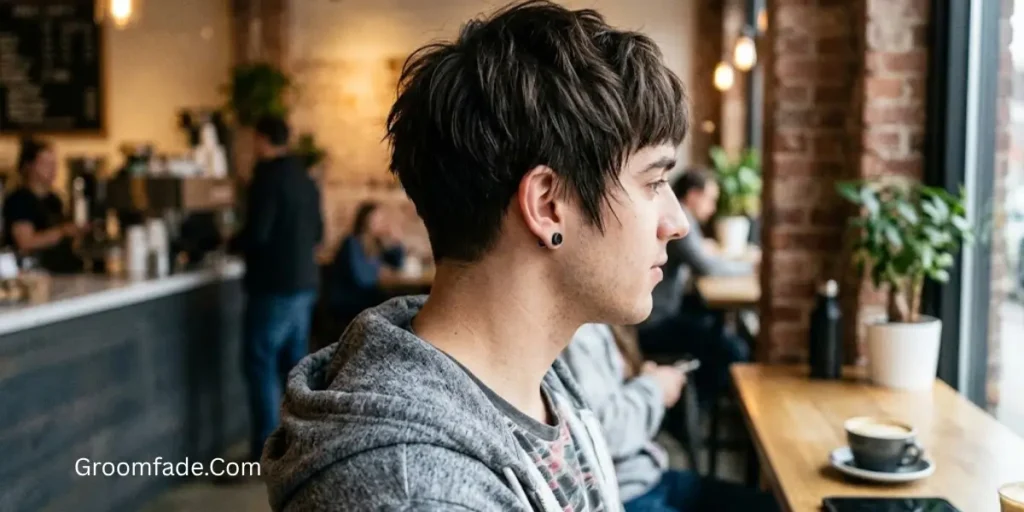
The reverse mullet is a bold haircut that flips the usual mullet shape. Instead of keeping the hair longer at the back, this style puts more length and attention toward the front while the back is cut shorter. The sides can be faded, tapered, shaved, or left with more natural length.
Because there are several ways to wear it, a reverse mullet can range from a subtle textured haircut to a sharp punk-inspired style. It can also be adapted for straight, wavy, curly, thick, or fine hair.
What Is a Reverse Mullet?

A reverse mullet is a haircut built around an unusual length pattern. A traditional mullet is known for shorter hair around the front and sides with more length at the back. A reverse mullet haircut changes that balance by making the front more prominent while keeping the back shorter.
The front may be worn as long bangs, a textured fringe, or a fuller section of hair around the forehead and sides. The back can be tapered, faded, closely cropped, or even shaved.
There is no single length that defines every reverse mullet. The main idea is the contrast between the longer front and shorter back.
This makes the haircut flexible. Someone looking for a dramatic style can create a strong difference between the two areas, while someone who wants something easier to wear can keep the contrast softer.
For a more structured shape through the back, the Ducktail Haircut uses longer hair that tapers toward the center, creating a defined rear profile.
How Is a Reverse Mullet Different From a Classic Mullet?
The easiest way to understand the difference is to look at where the length is concentrated.
| Feature | Classic Mullet | Reverse Mullet |
| Front | Usually shorter | Usually longer |
| Back | Longer | Usually shorter |
| Main focus | Back length | Front and side length |
| Overall shape | Longer rear section | Front-heavy shape |
| Styling | Often focused on the back | Often focused on fringe and front |
A classic mullet and a reverse mullet can both have fades, layers, texture, or shaved sections. The main difference is the placement of the length.
What Is a Reverse Mullet Called?
The style is most commonly called a reverse mullet or reverse mullet haircut. You may also see related styles described as a Chelsea haircut or Chelsea mullet, especially when the haircut has a very short back with longer hair around the front and sides.
However, these names should not always be treated as exact synonyms.
The Chelsea haircut has its own history and recognizable shape. It became associated with alternative and skinhead fashion scenes, particularly among women in Britain during the 1980s. Modern reverse mullets can borrow some of that visual idea without being a traditional Chelsea haircut.
So, if you see someone using “reverse mullet” and another person using “Chelsea haircut,” they may be describing similar shapes, but the terms can refer to different versions of the style.
Reverse Mullet vs. Chelsea Mullet
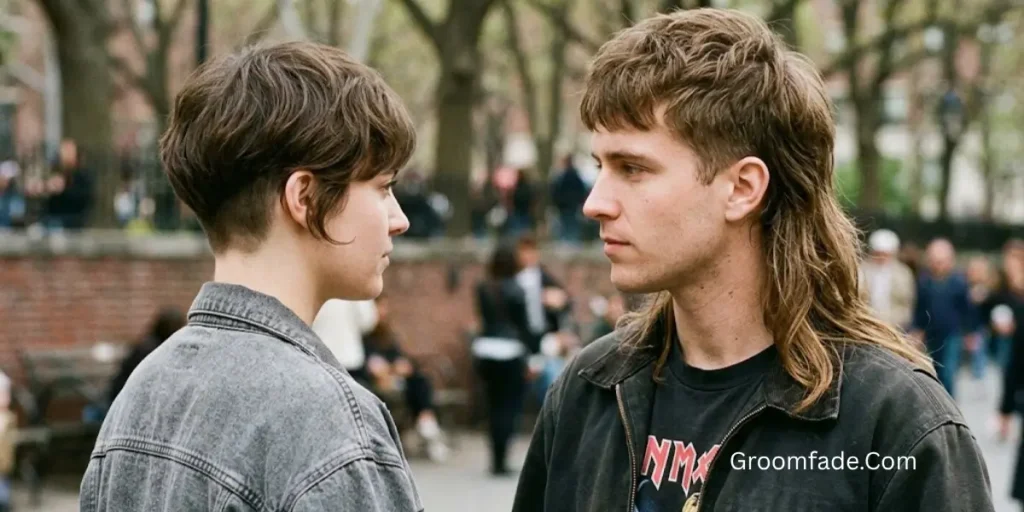
The Chelsea mullet is one of the most closely related styles to the modern reverse mullet.
What Is a Chelsea Haircut?
The Chelsea haircut is known for keeping a strong amount of hair around the front and sides while cutting the back and often parts of the crown much shorter. Some versions include a fringe, while others leave longer sections around the ears.
The style has roots in alternative British fashion and became especially visible during the 1980s. Its association with skinhead women is one reason it is sometimes mentioned when discussing the history of reverse-style mullets.
Modern versions can be much softer than the classic look.
Why Is the Chelsea Haircut Linked to the Reverse Mullet?
Both styles can create a front-heavy shape with a noticeably shorter back.
The difference is that reverse mullet is a broader modern description, while Chelsea haircut refers to a more specific historical style and its variations.
If you want a modern haircut, it is better to show your barber a photo and explain exactly where you want the length. Haircut names can mean slightly different things from one barber to another.
A cleaner modern option is the Brooklyn Fade, which brings a sharper transition to the sides while keeping styling options open on top.
Popular Reverse Mullet Haircut Styles
There are many ways to change the shape depending on how much contrast you want.
Classic Reverse Mullet

The classic version keeps the front noticeably longer than the back. The fringe can reach the eyebrows or extend farther, while the back stays short.
The sides can remain moderately long or be cleaned up around the temples and ears. This gives the haircut a clear reverse-mullet shape without needing a dramatic fade.
It works particularly well when the front has natural texture.
Reverse Fade Mullet
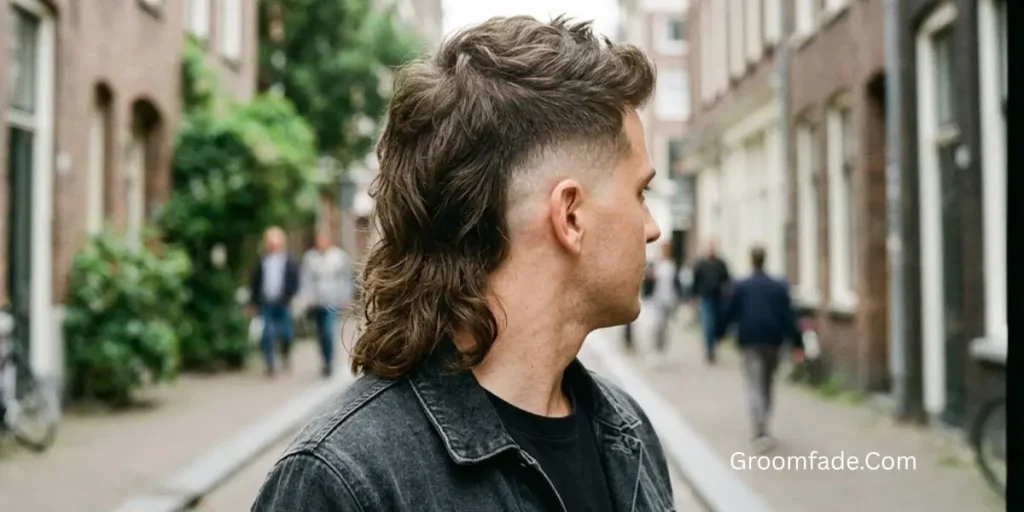
A reverse fade mullet combines the front-heavy shape with a fade around the shorter areas.
The fade can start low, around the temples and lower sides, or move higher for stronger contrast. The front is usually left longer so the difference between the top and back remains clear.
This version suits people who like clean sides but still want an unusual haircut.
Reverse Mullet Fade
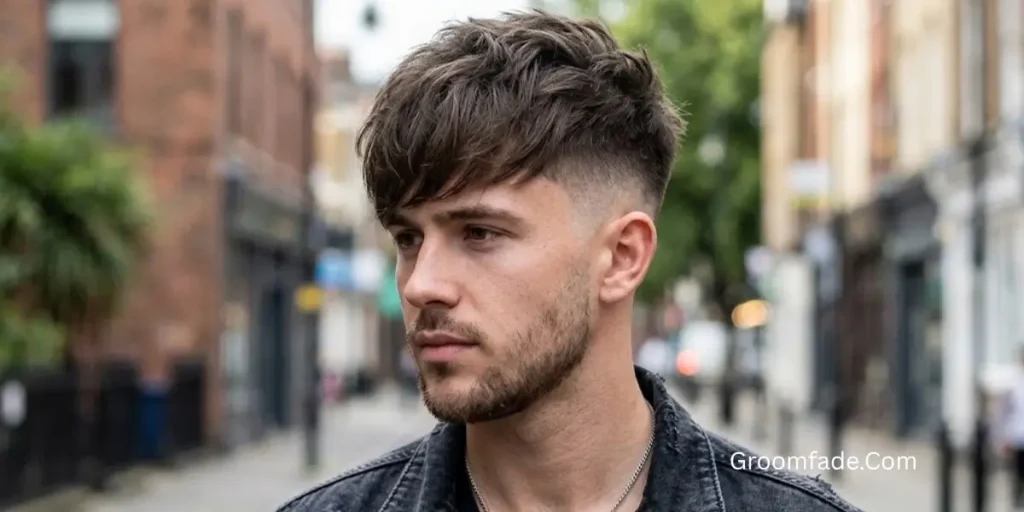
The terms reverse fade mullet and reverse mullet fade are often used for similar styles. The main idea is a reverse mullet combined with a blended fade.
A low fade creates a softer appearance, while a mid or higher fade creates more contrast.
Your barber can adjust the fade based on how much skin you want to show and how much length you want around the sides.
Reverse Mohawk Mullet
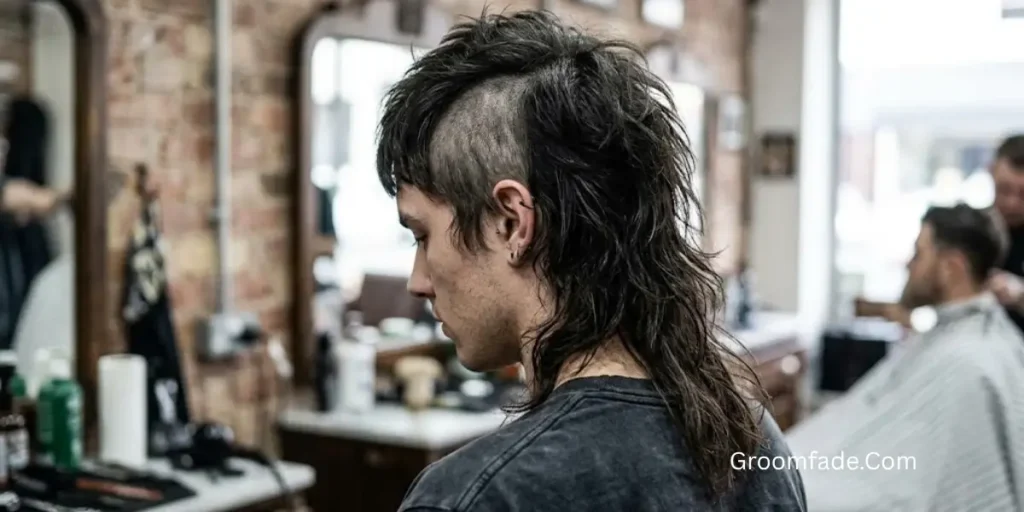
A reverse mohawk mullet takes the bold shape even further.
Instead of keeping the haircut balanced across the top, the center section can carry more length and texture while the surrounding areas are cut very short.
This is a much more noticeable version and often works with punk-inspired styling, strong texture, or shaved sides.
Textured Reverse Mullet
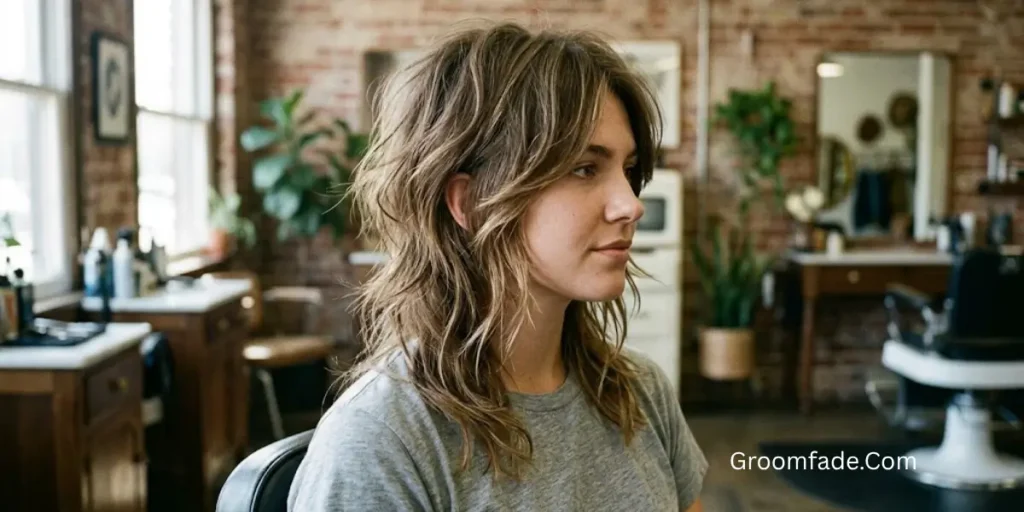
Texture makes a reverse mullet look less rigid.
The front can be cut with layers or point-cutting to create movement. A matte styling product can then separate the strands without making the hair look overly polished.
This version works well for people who want a messy finish rather than a perfectly shaped fringe.
Curly Reverse Mullet

Curly hair gives the haircut a different character because the front can gain natural height and volume.
The length should be planned with the curl pattern in mind. Hair often appears shorter after it dries, so a barber should account for shrinkage when deciding how much length to remove.
A curly reverse mullet can be worn with a low taper, fade, or natural sides.
Wavy Reverse Mullet

Wavy hair is useful for creating a relaxed reverse mullet because the natural bends in the hair add movement.
A longer fringe can be pushed forward or slightly to one side. Light styling cream or sea salt spray can help bring out the natural wave.
Short Reverse Mullet
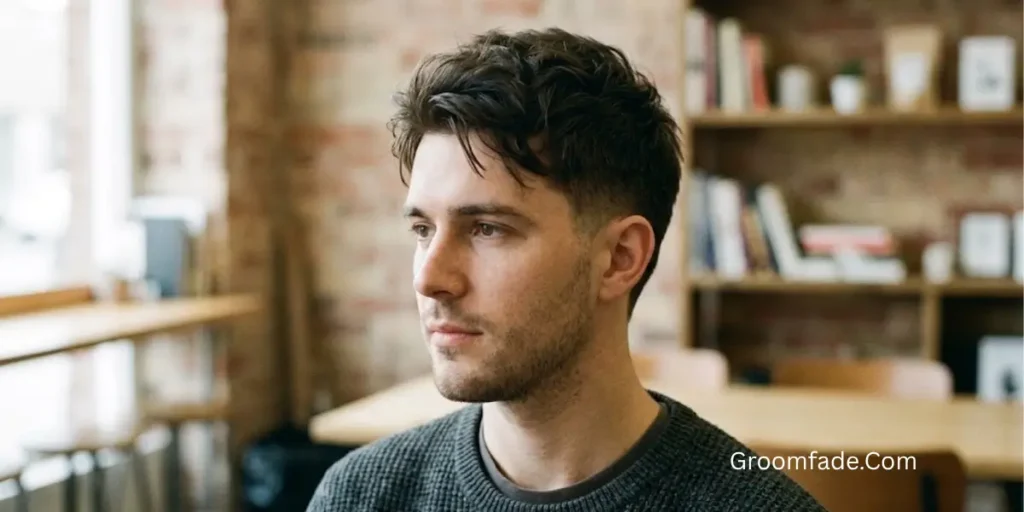
A short reverse mullet keeps the basic shape without requiring a lot of length.
The front may be kept around eyebrow or forehead length, while the back is cropped close. This is a practical option for someone who wants the haircut’s unusual shape without committing to very long hair.
For a bolder shape with clearly defined sides, the Juice Box Fade combines a shaped top with clean faded edges.
Long Reverse Mullet

A long reverse mullet puts more emphasis on the front and sides.
Longer bangs can reach the cheekbones or extend farther, depending on the haircut. Layers are useful because they prevent the front from looking like one heavy block of hair.
Shaggy Reverse Mullet
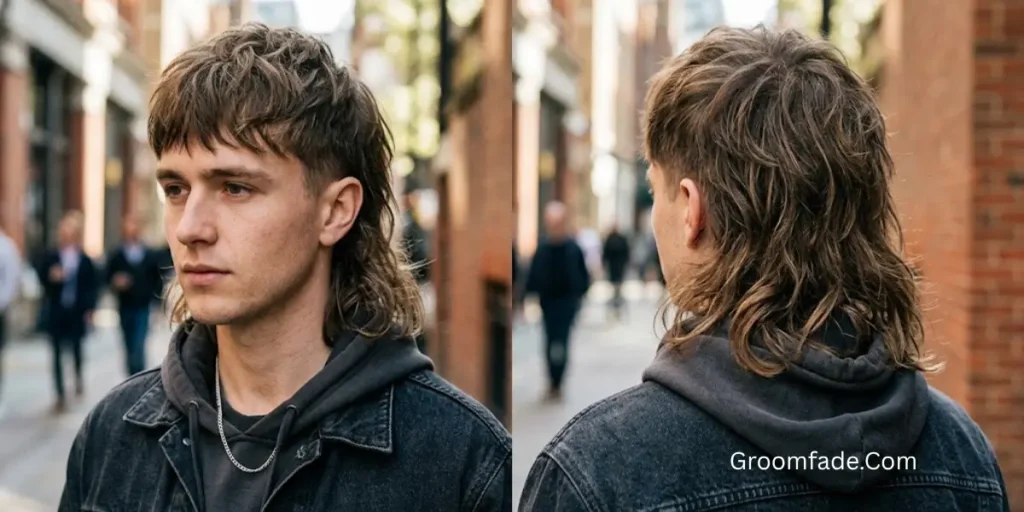
The shaggy version uses layers and uneven texture for a relaxed finish.
It can work especially well with wavy or naturally textured hair. Instead of creating sharp lines everywhere, the haircut allows the layers to blend into each other.
Reverse Mullet With Bangs
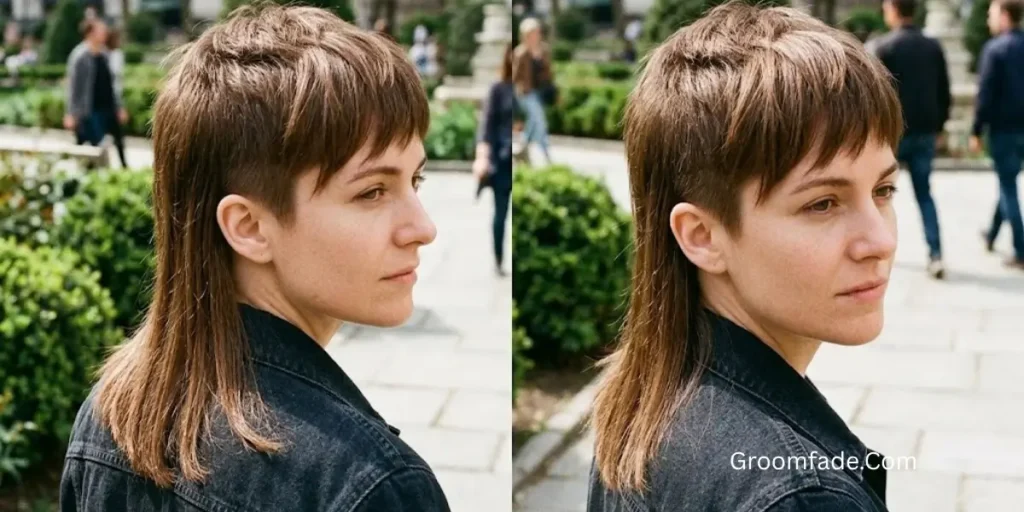
Bangs can become the main feature of a reverse mullet.
A straight fringe creates a stronger and more graphic look, while textured or curtain-style bangs give the haircut a softer appearance.
The length of the fringe should be chosen based on how you normally wear your hair.
Reverse Mullet With Tapered Sides
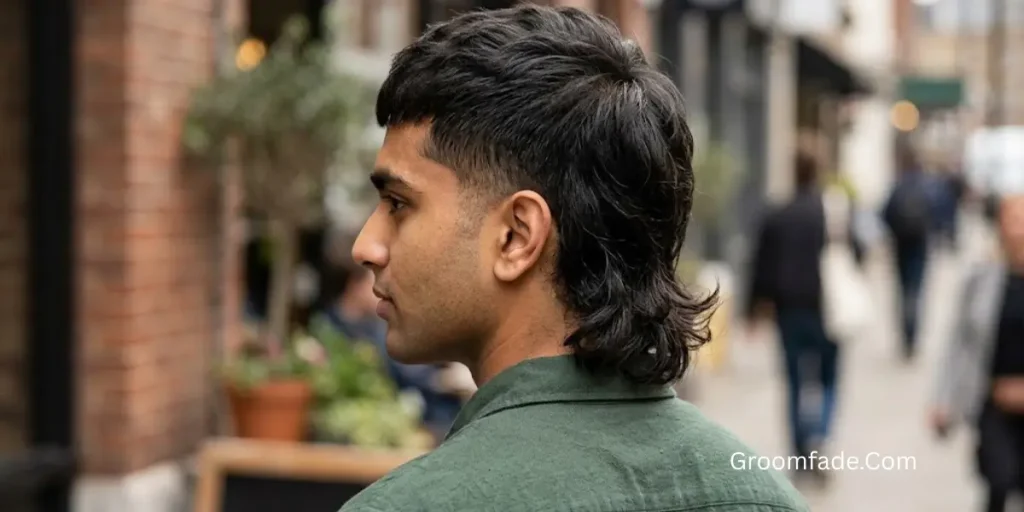
A taper gives a softer alternative to a skin fade.
The hair gradually becomes shorter around the temples and sideburns without removing as much hair as a strong fade. This can make the haircut easier to grow out.
Undercut Reverse Mullet
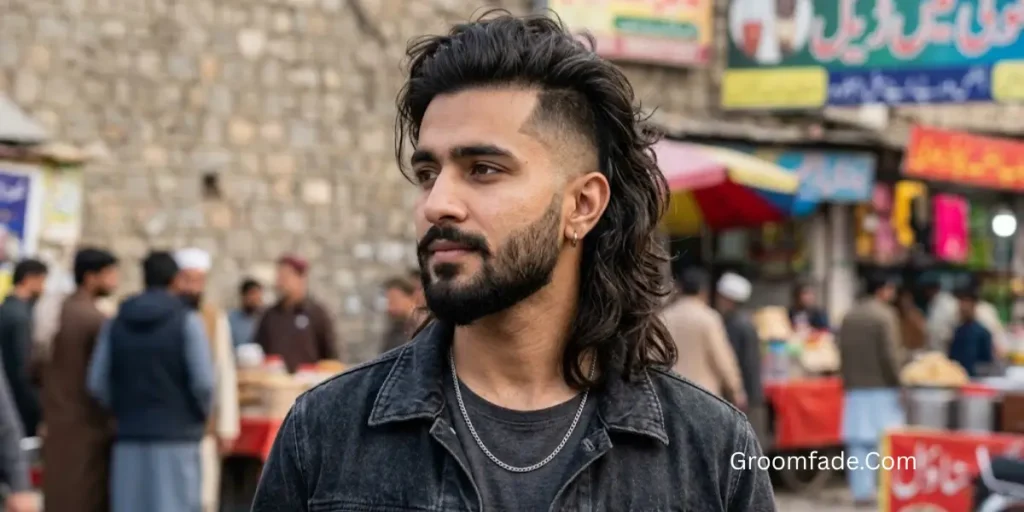
An undercut creates a much stronger separation between the longer upper hair and the shorter sides.
This style is more dramatic than a standard taper and can make the longer front appear even fuller.
Reverse Mullet for Men
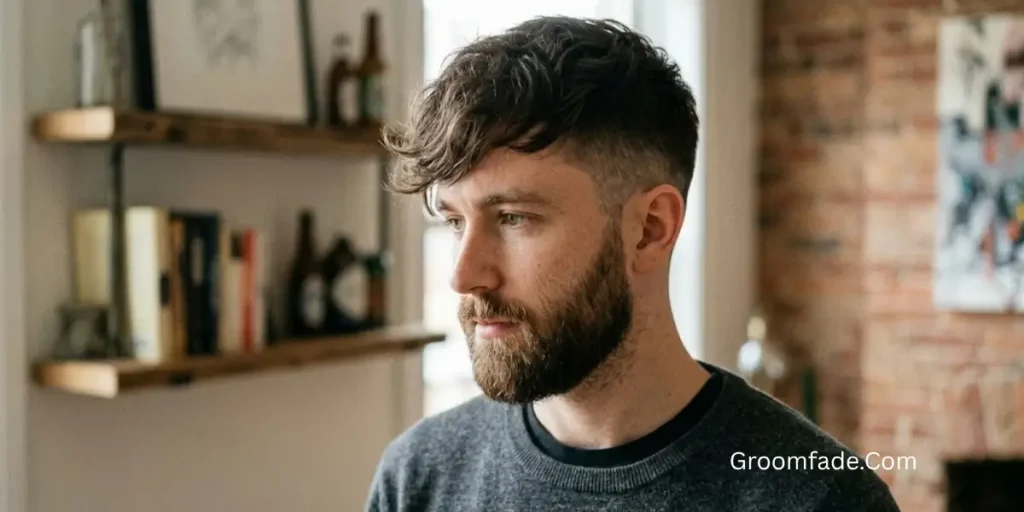
A reverse mullet male style can be adapted to many different hair types and personal preferences.
For a cleaner appearance, the haircut can use a low taper or low fade. For a more alternative look, the sides can be shaved or undercut.
Men with straight hair may prefer a sharp fringe, while those with curly or wavy hair can use natural texture to create a softer shape.
The most important part is deciding how much contrast you want between the front and back.
Reverse Mullet for Women
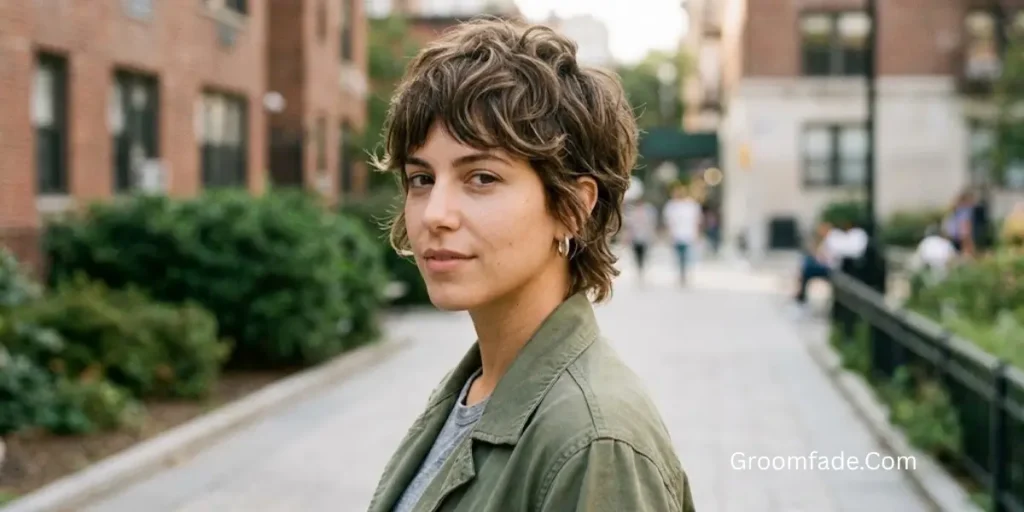
A reverse mullet woman style can use the same basic length pattern while allowing for softer layers and more movement.
Longer bangs, textured sides, and layered sections around the face can make the haircut less severe. A woman with naturally wavy or curly hair may also use the natural texture to soften the transition between sections.
The modern style does not have to follow one traditional shape. Length, texture, and styling can all be adjusted.
Reverse Mullet for Different Hair Types
Reverse Mullet for Straight Hair
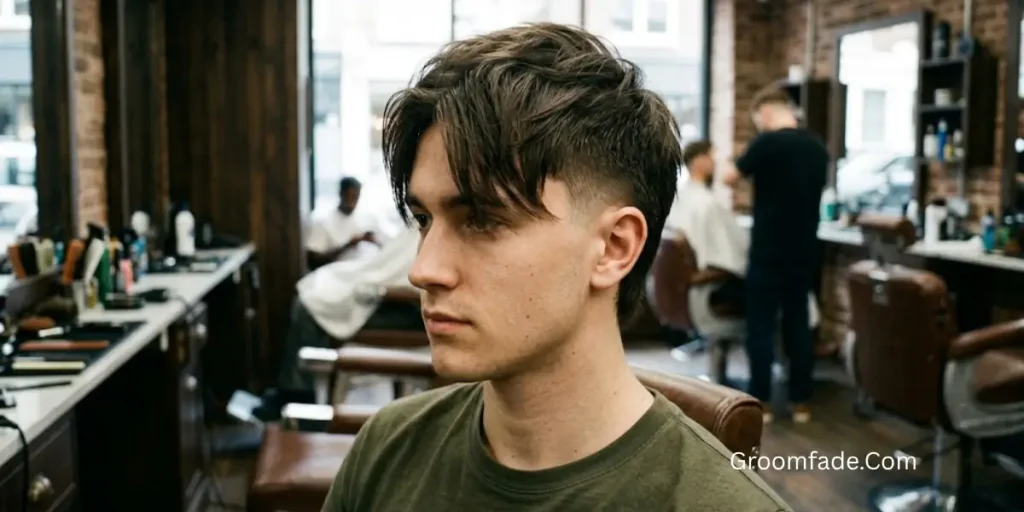
Straight hair shows the haircut’s shape very clearly.
A blunt fringe creates a strong appearance, while textured layers make the style look softer. Straight hair can also be easier to control when you want a specific fringe shape.
Reverse Mullet for Wavy Hair
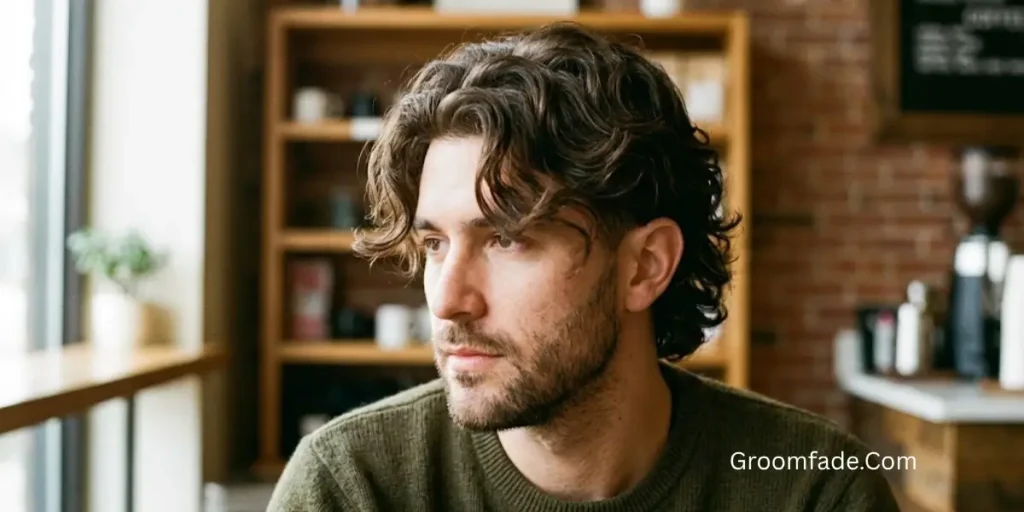
Wavy hair adds movement without requiring much product.
Keeping some natural length through the front allows the waves to form their own shape. A light styling cream can help control frizz while keeping the hair flexible.
Reverse Mullet for Curly Hair
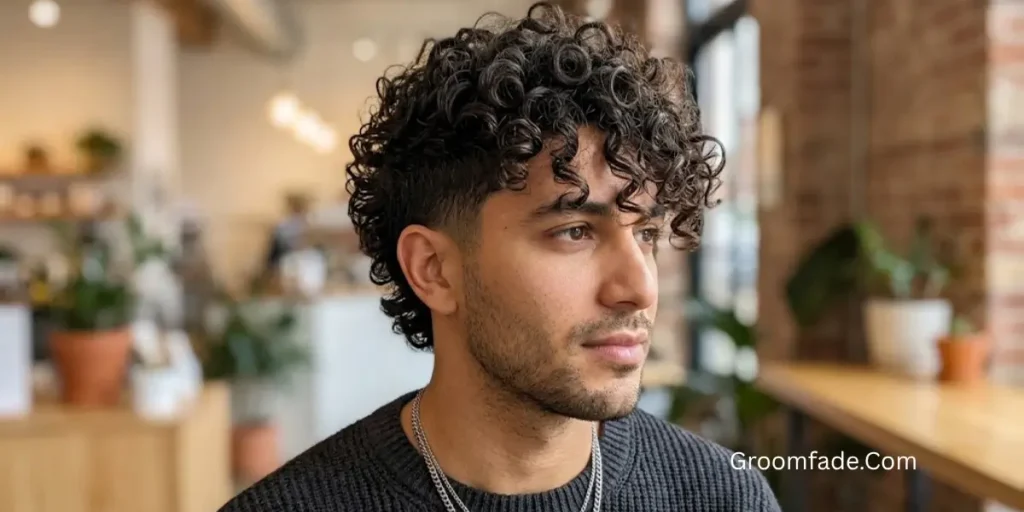
Curly hair can give the front section plenty of volume.
The haircut needs to account for the natural curl pattern. Too much weight in one area can change the shape, so layers may be useful.
Reverse Mullet for Thick Hair
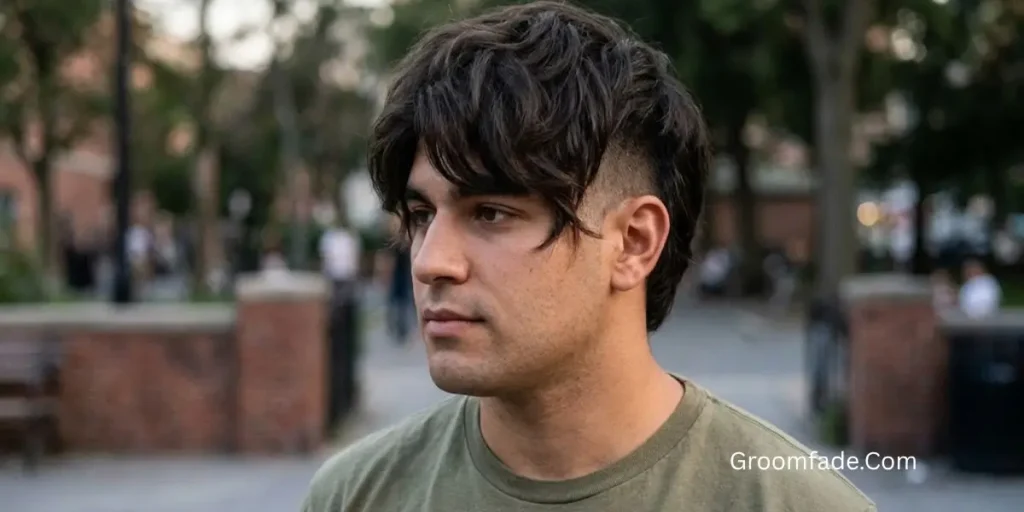
Thick hair can make the front look heavy if it is left at one solid length.
Layering can remove some weight while keeping the desired length. A barber can also use texture to make the front easier to style.
If you prefer a softer approach around the sides, Tapered Sides keep the edges tidy while leaving more length for texture and movement.
Reverse Mullet for Fine Hair
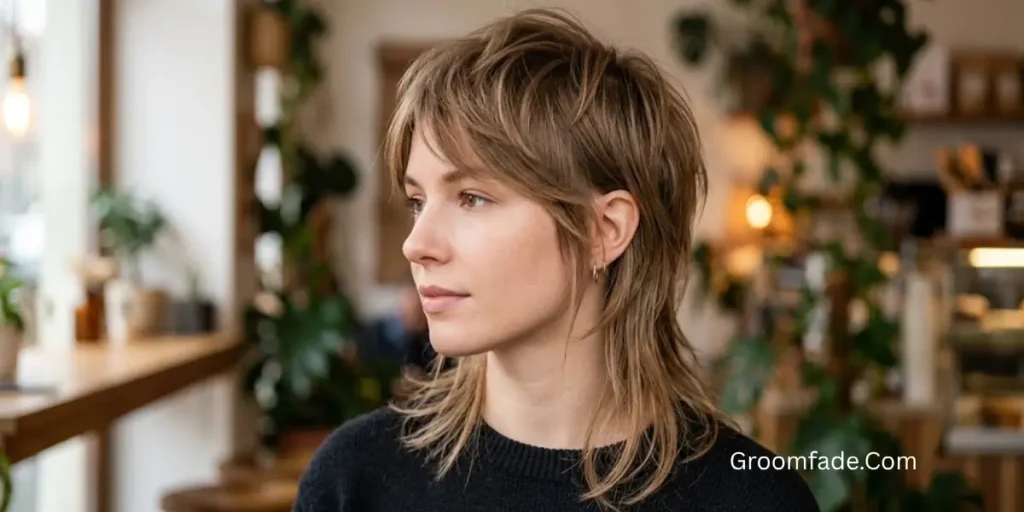
Fine hair can benefit from keeping enough length and using controlled texture.
Too many layers can make fine hair look thinner, so the shape should be planned carefully. Styling products that provide light volume can help without making the hair stiff.
How to Style a Reverse Mullet
The styling routine depends on the length and texture, but the front usually gets the most attention.
Start With Damp Hair
After washing, gently towel-dry the hair.
Avoid rough rubbing because it can create frizz, especially with curly or wavy hair.
Shape the Front
Use a comb or your fingers to place the fringe where you want it.
For a messy look, use your fingers rather than creating a perfectly straight part. For a cleaner appearance, a comb and blow dryer can give the front more control.
Add Texture
A small amount of matte clay, styling paste, cream, or sea salt spray can help create separation.
Use less product at first. You can always add more, but too much product can make the front heavy.
Create Volume
If you want a fuller front, blow-dry the roots while lifting the hair with your fingers.
For straight hair, directing the airflow away from the scalp can create more lift. For curly hair, use a diffuser and avoid disturbing the curls too much.
Finish the Back
The back of a reverse mullet is usually shorter, so it may need little styling.
The main goal is to keep the shape clean. If you have a fade or taper, regular barber visits will help maintain the transition.
The bold layers of an 80s Mullet Haircut offer a classic alternative, with noticeable length at the back and a stronger overall silhouette.
How to Ask Your Barber for a Reverse Mullet
Haircut names can be interpreted differently, so a clear explanation is more useful than saying only “give me a reverse mullet.”
You can tell your barber:
“I want a reverse mullet with more length and texture toward the front. Keep the back shorter and blend the sides with a low fade or taper. I want the front to stay long enough to style as a fringe.”
Then show a reference photo.
What to Tell Your Barber
Before the haircut, decide:
- How long you want the front
- Whether you want bangs or a textured fringe
- How short the back should be
- Whether you want a fade, taper, undercut, or natural sides
- How much texture you want
- Whether you prefer a clean or messy finish
It is also helpful to tell your barber how much time you normally spend styling your hair. A haircut that looks good with professional styling may need a different shape if you want something you can manage in a few minutes at home.
How Often Should a Reverse Mullet Be Trimmed?
Maintenance depends on the version you choose.
A longer, shaggy reverse mullet can grow out with relatively little shaping. The changing length may even become part of the style.
A reverse mullet fade, however, usually needs more frequent cleanup. Fades lose their sharp contrast as the hair grows.
If you want a neat appearance, a barber can clean up the sides, neckline, and fringe while keeping the main length.
Low-Maintenance Reverse Mullet
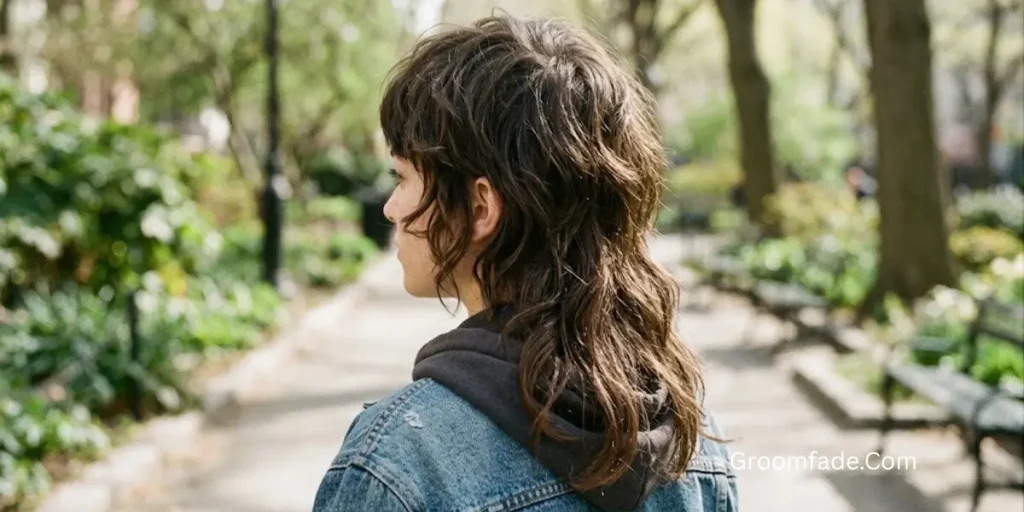
A natural or shaggy version can be easier to maintain.
You can allow the sides and back to grow slightly while trimming the fringe when it becomes difficult to style.
Reverse Mullet With a Fade
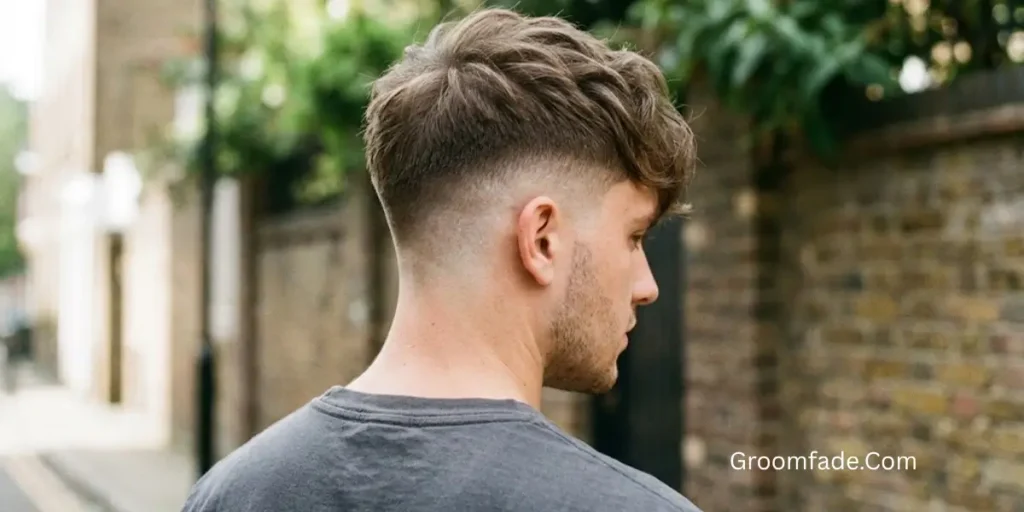
A fade needs more regular attention because the blended areas become less defined as they grow.
The exact timing depends on how quickly your hair grows and how sharp you want the fade to look.
Who Can Wear a Reverse Mullet?
A reverse mullet can be adapted to different hair textures and lengths, so there is no single hair type that is required.
The bigger question is how dramatic you want the shape to be.
A subtle version with a taper can look relatively restrained. A shaved-back version with a long fringe creates a much stronger contrast.
Your daily routine also matters. If you rarely use styling products or a blow dryer, tell your barber. They can shape the haircut around the way you normally wear your hair.
For a softer and more textured take on the mullet family, the Shag Mullet uses layered lengths to create movement without making the shape look too rigid.
Reverse Mullet vs Other Mullet Styles
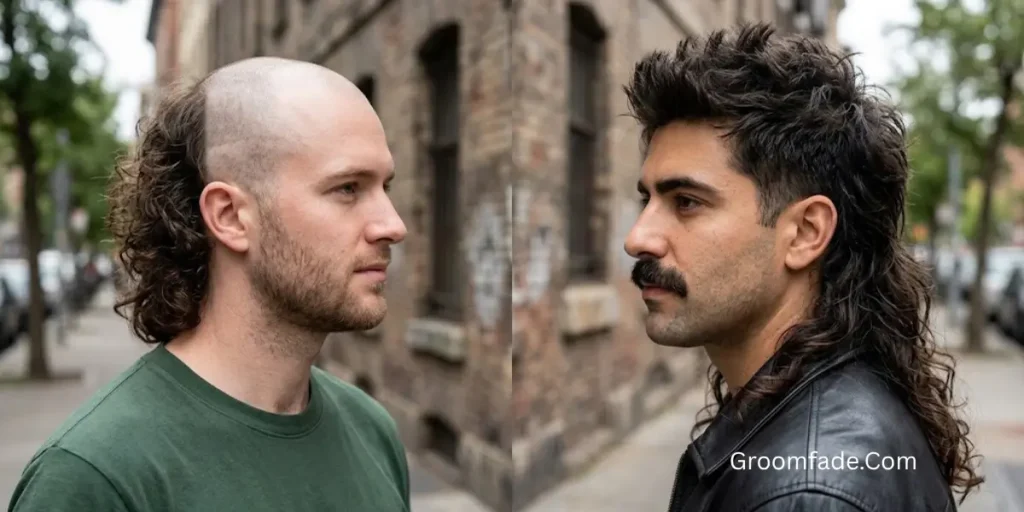
The names of modern alternative haircuts can overlap, so these differences are useful.
| Hairstyle | Main Characteristic |
| Classic Mullet | Longer hair toward the back |
| Reverse Mullet | More emphasis on front length with a shorter back |
| Shullet | Combination of shag layers and mullet shape |
| Wolf Cut | Layered, textured haircut with a softer silhouette |
| Reverse Mohawk Mullet | Strong central length with very short surrounding areas |
| Chelsea Haircut | Historically related short-back style with longer front and side sections |
| Undercut Mullet | Long upper hair separated from very short sides |
These are broad descriptions rather than strict rules. Modern haircuts often borrow features from several styles.
Is a Reverse Mullet the Same as a Shullet?
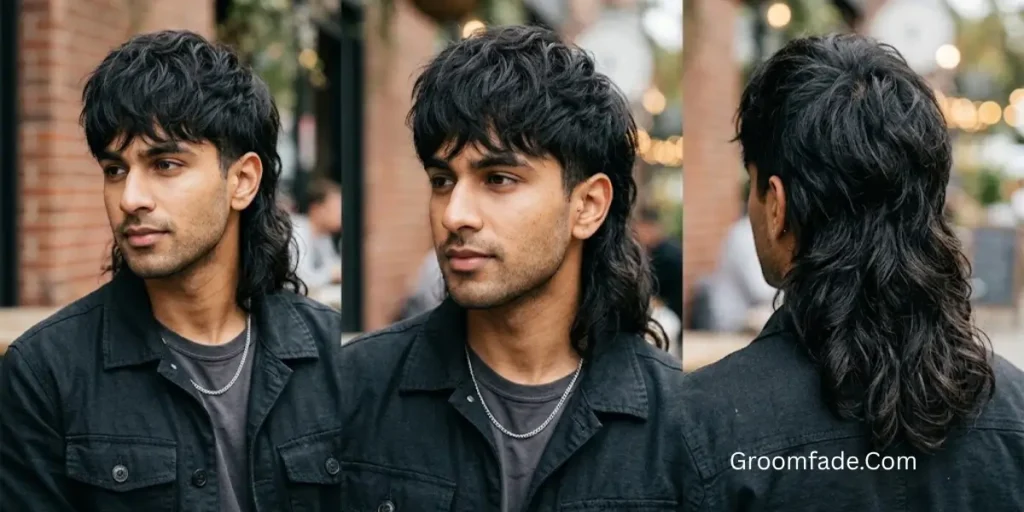
No. A shullet combines a shag haircut with a mullet. It usually has plenty of layers, movement, and a deliberately messy shape.
A reverse mullet is defined more by the placement of its length, especially the shorter back and longer front.
A haircut can have both influences. For example, someone could wear a textured reverse mullet with shag-like layers.
What Is a Wolf Tail Mullet?
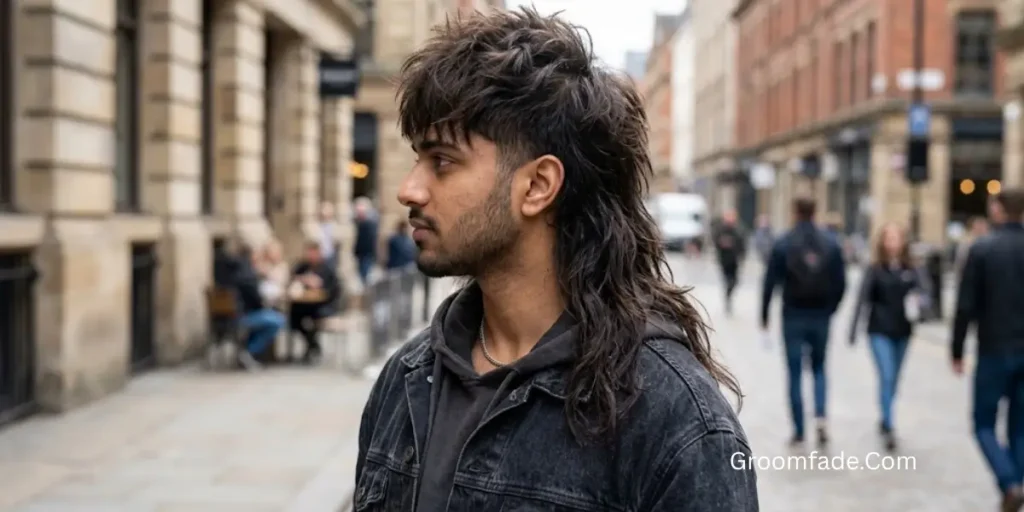
A wolf tail mullet is generally a mullet-inspired style that combines a longer, tapered tail with layered texture associated with the wolf cut.
It is not simply another name for a reverse mullet.
The main visual difference is where the longer section sits. A reverse mullet places more emphasis toward the front, while a wolf-tail style usually retains a noticeable longer section toward the rear.
Because hairstyle names are used differently online, a reference photo is the safest way to communicate the exact shape you want.
Is a Reverse Mullet Good for Everyday Wear?
That depends on how the haircut is shaped.
A soft reverse mullet with a taper and moderate front length can require less daily work than a dramatic version with very long bangs and shaved sections.
Consider your workplace, school, styling routine, and how often you are willing to visit a barber.
If you want something easy to manage, ask for a version that works with your natural hair texture rather than choosing a shape that requires daily heat styling.
FAQs About Reverse Mullet
Q1. What is a backwards mullet called?
A backwards mullet is commonly called a reverse mullet. Some similar styles are associated with the Chelsea haircut, but the two terms do not always describe exactly the same haircut.
Q2. What is a shullet?
A shullet combines features of a shag and a mullet. It usually has layered texture, movement, and a softer shape than a traditional mullet.
Q3. What is a reverse bob called?
A reverse bob is commonly called an inverted bob. It generally has shorter hair at the back and longer sections toward the front.
Q4. What is a wolf tail mullet?
A wolf tail mullet is a layered mullet style with a longer, often tapered rear section. It takes some of its texture and shape from the wolf cut.
Q5. Is a reverse mullet the opposite of a mullet?
The term generally refers to reversing the classic mullet’s length pattern. Instead of emphasizing length at the back, the reverse version puts more emphasis on the front while keeping the back shorter.
Q6. Is a reverse mullet the same as a Chelsea haircut?
Not exactly. A Chelsea haircut is a distinct style with historical roots, although its shape can overlap with modern reverse mullets.
Q7. Can men wear a reverse mullet?
Yes. Men can wear reverse mullets with straight, wavy, curly, thick, or fine hair. The haircut can also be combined with fades, tapers, undercuts, and different fringe styles.
Q8. Can women wear a reverse mullet?
Yes. The style can be adapted with softer layers, longer fringe, or more natural texture.
Q9. Does a reverse mullet work with curly hair?
Yes. Curly hair can add natural volume and movement to the longer front section. The cut should account for curl shrinkage and the natural curl pattern.
Q10. How often does a reverse mullet need a trim?
A fade or tightly tapered version usually needs more regular cleanup than a longer, textured version. The ideal schedule depends on hair growth and how neat you want the haircut to remain.